
The Ultimate Guide to Responsible Pet Ownership and What It Really Looks Like

Most people who bring a pet home have good intentions. They picture companionship, routine, and a sense of responsibility that feels meaningful.
What often surprises new owners is how responsibility actually shows up. Not in big moments, but in small, repeatable choices. The walk you almost skip. The vet visit you schedule around work. The way your pet responds when life gets busy and attention slips.
Responsible ownership is not about getting everything right. It is about building habits that protect your pet’s well-being on ordinary days, when motivation is low and routines matter most.
What many people do not realize is that these small choices add up quickly. Done well, they create calm and trust. Done inconsistently, they quietly turn care into stress.
This guide breaks down what responsible pet ownership really looks like in daily life, so you can make choices that fit your schedule, your space, and your pet, without feeling overwhelmed.
Here is what that looks like in real life.
What “responsible” pet ownership means day to day
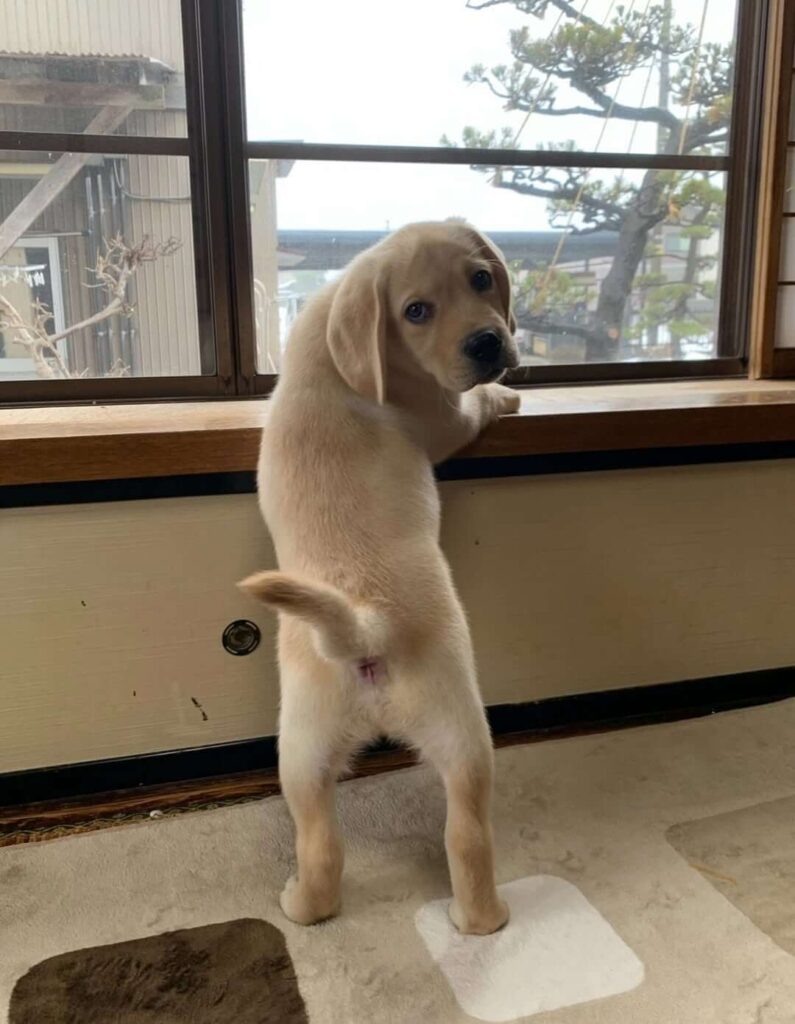
Responsibility starts long before training classes or feeding schedules. It begins with honesty about the life you already live, not the one you hope to have later.
Guidance from the American Veterinary Medical Association explains that responsible ownership includes choosing a pet suited to your home and lifestyle, planning for regular care, and avoiding impulse decisions that create stress down the line. In daily life, that means responsibility is less about effort and more about fit.
One helpful exercise is to map your real schedule on paper. When you leave the house. How long you’re gone. How you feel at the end of the day. Those answers quietly shape every care decision that follows.
When the fit is right, daily care feels steadier instead of forced.
Choosing a pet that fits your actual life

One of the most responsible choices you can make is choosing a pet whose needs do not compete with your routine.
This applies to dogs, cats, and every species in between. A mismatch rarely fails all at once. It shows up slowly, as guilt for skipped walks, stress around care costs, or behavior changes that feel hard to explain.
If you’re unsure, pause and ask yourself a few grounding questions.
Can I meet this pet’s needs on my hardest week, not my best one.
Can I afford routine care without constant worry.
Can I offer calm, predictable days most of the time.
If those answers feel uncertain, that’s not failure. It’s useful information.
When the fit works, daily habits settle into place more naturally.
Daily care that protects long-term well-being
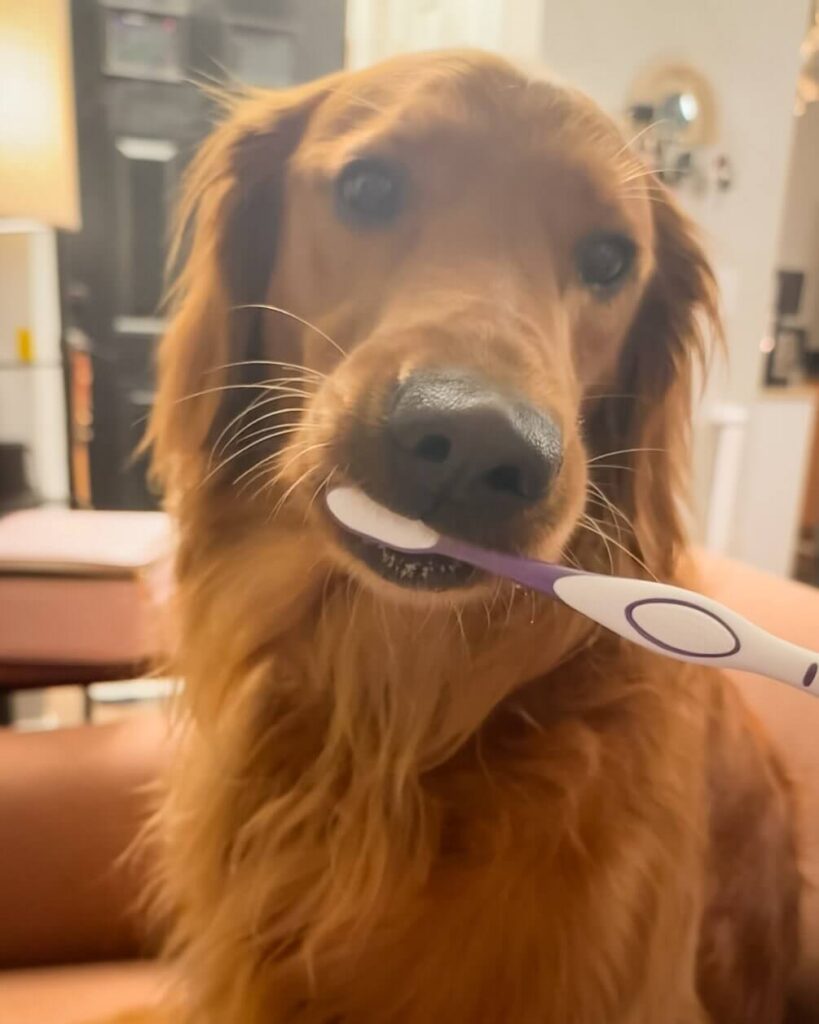
Responsible care is built on routines that stay boring in the best way.
Feeding at consistent times helps pets relax. Exercise that matches their needs prevents restlessness. Mental engagement does not need to be elaborate. Short play sessions, simple training, and predictable rest often matter more than variety.
For people in apartments or smaller homes, structure becomes even more valuable. A reliable walk schedule, a window perch, or a quiet evening routine can meet needs without overwhelming your space.
What helped me most was letting go of the pressure to do more and focusing on doing the basics well, every single day.
That foundation supports health, too.
Health care as an ongoing commitment
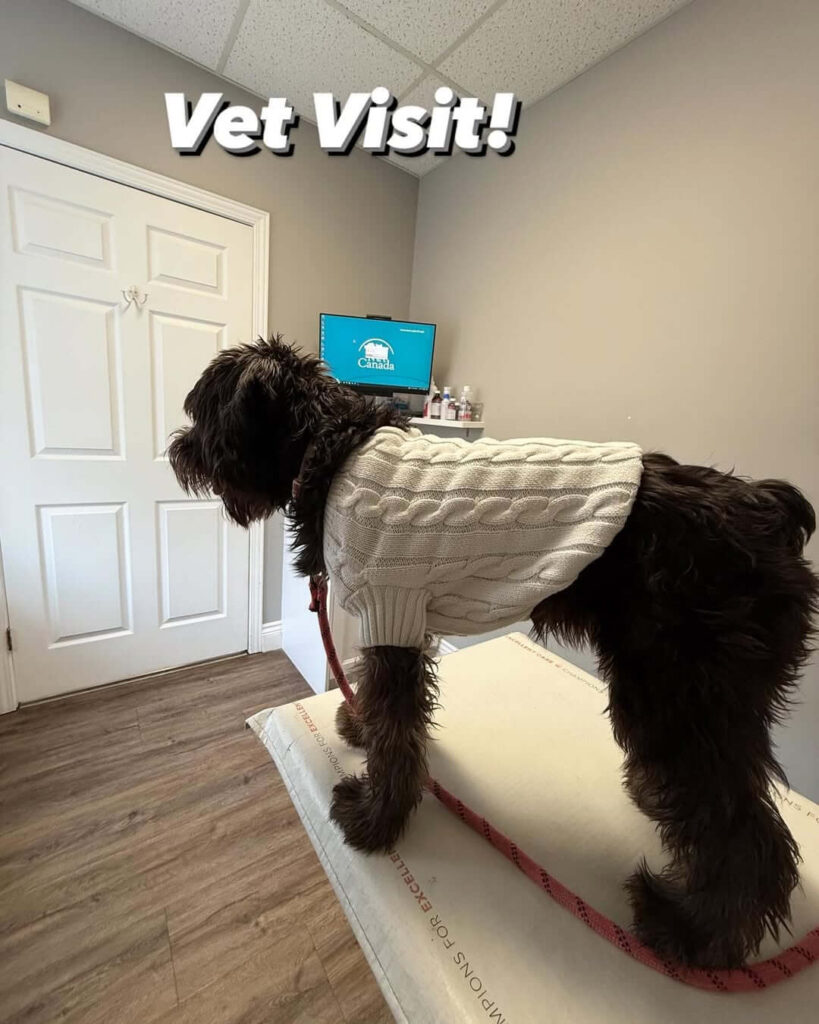
Preventive care protects both pets and owners from avoidable stress.
The American Animal Hospital Association describes vaccination as a cornerstone of preventive care that supports long-term health and quality of life. Thinking of vet visits as maintenance, not emergencies, changes how care feels.
A simple step is to schedule routine checkups before anything feels urgent. When care is planned, decisions feel calmer and less reactive.
Health and behavior often influence each other, which brings us to training.
Training, boundaries, and clear communication

Training is not about control. It’s about communication.
Clear expectations help pets feel secure. Consistency across household members reduces confusion. Calm guidance builds trust faster than correction.
Early routines matter more than perfection. Teaching a pet where to rest, when to eat, and how to settle gives them cues they can rely on.
When training starts to feel frustrating, that’s often a sign to simplify, not push harder.
Responsibility also shows up beyond your front door.
Social responsibility and shared spaces

Pets live in communities, not bubbles.
Public behavior protects your pet as much as it respects others. Leashes, cleanup, and noise awareness reduce risk and prevent situations that escalate quickly.
Public health guidance from the Centers for Disease Control and Prevention highlights routine hygiene and regular veterinary care as part of keeping both pets and people healthy. Simple habits like hand washing after handling pets or cleaning shared spaces are part of responsible ownership.
When these habits form early, they become second nature.
Thinking ahead matters, too.
Planning for change before it happens
Life changes, even when we don’t expect it. Moves happen. Travel comes up. Pets age.
Responsible owners plan for change before it arrives. That includes identifying a backup caregiver, considering pet-friendly housing options, and adjusting routines as needs shift.
One small step you can take today is writing down who could step in if you were unavailable for a few days. Having an answer reduces stress later.
Identification plays a role here as well.
Identification and reunification planning
Pets get out. Collars slip. Doors get left open.
The ASPCA explains that ID tags are often the fastest way to reunite lost pets, while microchips serve as a backup when collars are lost, as long as contact details stay current.
Responsible ownership includes both. One visible. One permanent. Together, they reduce heartbreak.
Even with planning, challenges still happen.
When things get hard and how responsible owners respond
Every owner faces moments of doubt.
Responsibility does not mean handling everything alone. It means asking for help early, adjusting routines when needed, and choosing support over guilt.
Sometimes that help comes from a trainer. Sometimes from a vet. Sometimes from someone who has already been through it.
Staying engaged matters more than getting everything right.
Final thoughts and an invitation
Responsible pet ownership is not a title you earn. It is a practice you build.
Small, steady choices shape safety, trust, and long-term well-being. When care fits real life, ownership feels steadier and more rewarding.
If you’ve lived this journey, I’d love to hear from you.
What habit made the biggest difference for you as a pet owner?
Or what do you wish someone had told you earlier?
Share your experience in the comments. Your story may help someone reading this today.
RELATED:
Dog Breeds Better Suited for First-Time Owners and Why That Matters
Daily Care Habits That Help Pets Live Longer, Healthier Lives


