
A Puppy Covered in Tumors at Just 1.5 Years Old — His Fight to Live Stunned Rescuers
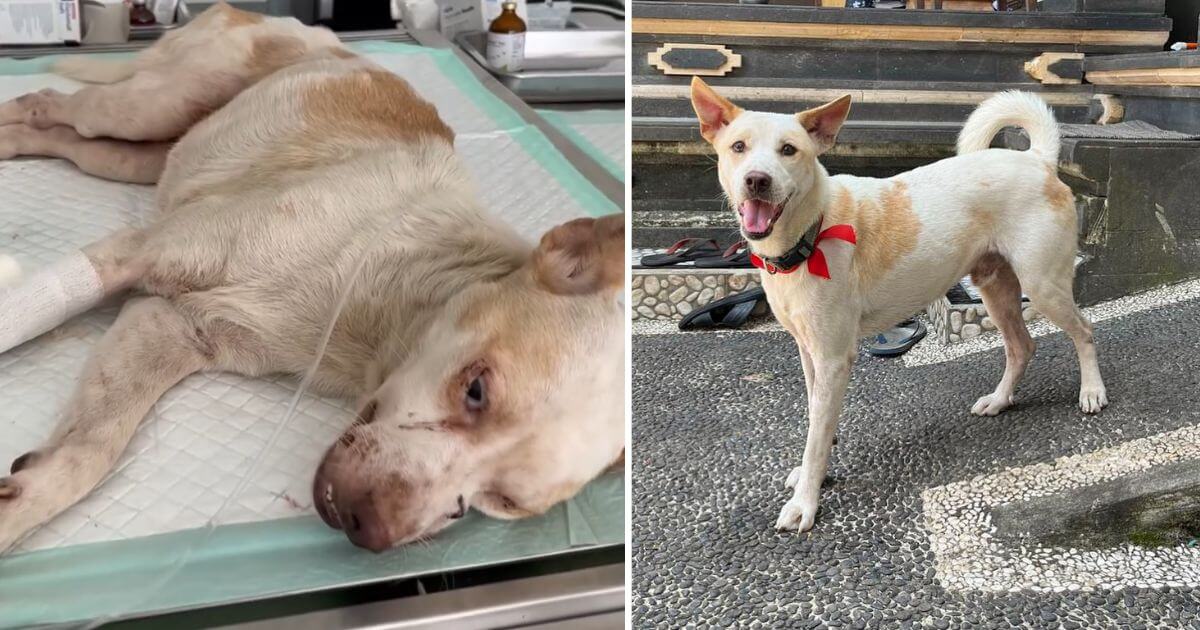
At just 1.5 years old, a dog should be carefree — running, exploring, chasing stray leaves. But when the rescue group Little Steps Matter first laid eyes on Moli, they found something far more tragic.
His body was covered in tumors. They quickly learned these weren’t ordinary growths. Moli had Canine Transmissible Venereal Tumor, or TVT — and the disease had already invaded not just his genitals, but also his nose and gums.
Experts at MSD Veterinary Manual describe TVT as a rare type of contagious cancer in dogs, where the cancer cells themselves spread from dog to dog through direct contact — often during mating, but also possible via sniffing, licking or biting.
In Moli’s case, the tumor was dangerously advanced and untreated. Without intervention, the risk of metastasis — and death — was very real.
This rescue was first shared by the rescue team of Little Steps Matter.
What Is TVT — And Why It’s So Dangerous
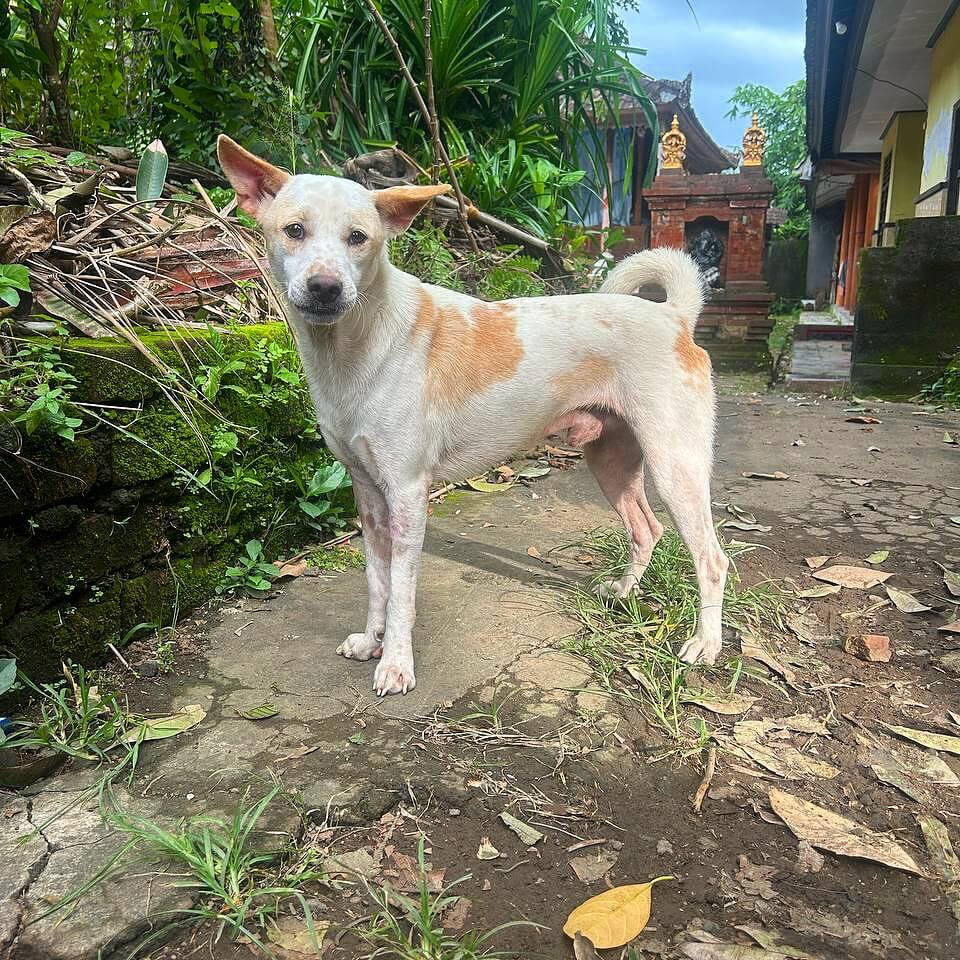
Unlike most cancers, TVT does not begin with a spontaneous mutation inside an individual dog. Instead, the tumor cells act like infectious agents themselves — physically transplanted from one dog to another.
Usually, TVT shows up on the external genitalia as cauliflower-like masses, but in regions with large stray dog populations it can spread to mucous membranes — in the mouth, nose or even eyes.
Left untreated, the tumor can grow rapidly, ulcerate, bleed easily, cause severe infection — or even spread internally (though widespread metastasis remains fairly uncommon).
Do Dogs Cry? What Science Says About Distress and Relief
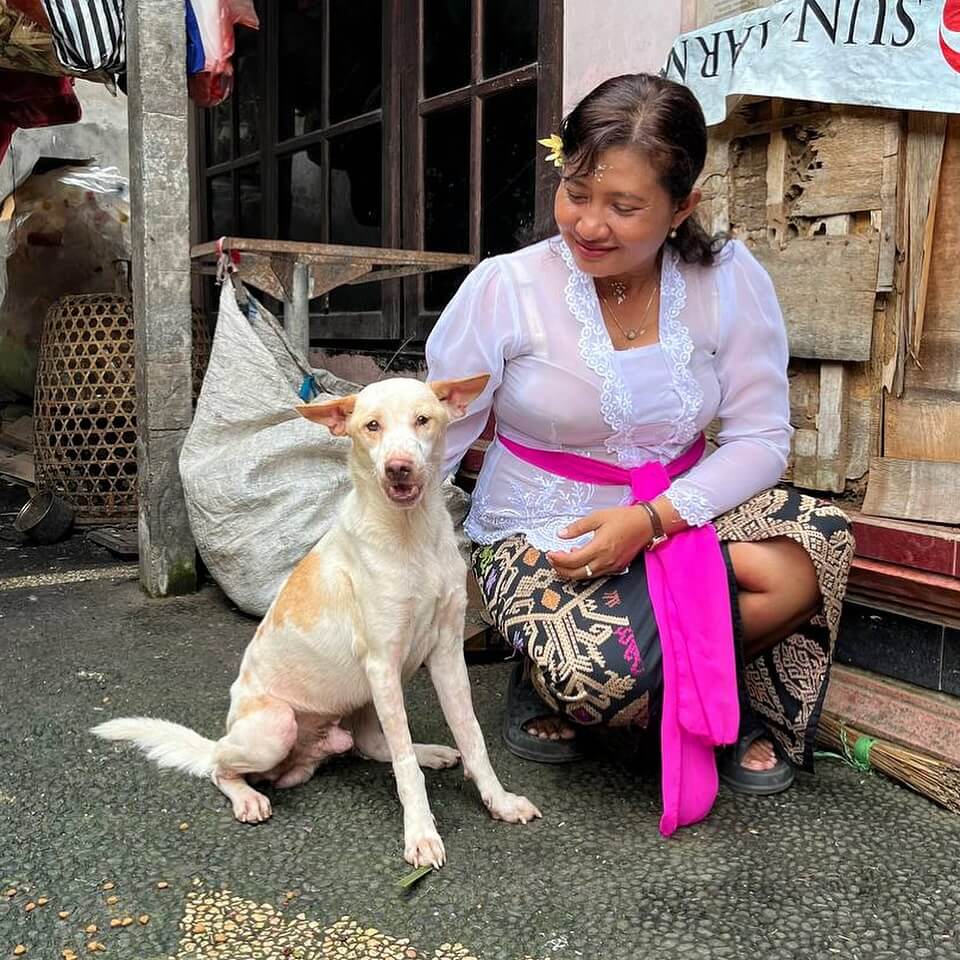
In life-and-death cases like Moli’s, rescuers often describe a dog who “seems to cry” — trembling, shutting down, looking away, or producing watery discharge. Scientists have started exploring whether dogs experience emotional tear production.
A study published in Current Biology found that dogs produced more tears when reunited with their owners, and the increase was linked to oxytocin — the hormone associated with bonding and emotional safety.
While dogs do not cry in the same way humans do, researchers note that emotional stress in dogs appears in other ways: trembling, pacing, trying to hide, or complete stillness. For many dogs rescued from neglect, these responses are their only form of communication.
“A frightened dog often shows distress through silence more than sound,” researchers noted when describing emotional tear responses in the Current Biology study.
This context makes Moli’s fear — and his slow return to trusting people — part of a much larger understanding of how dogs experience pain, abandonment and relief.
Treatment — and Rare Second Chances
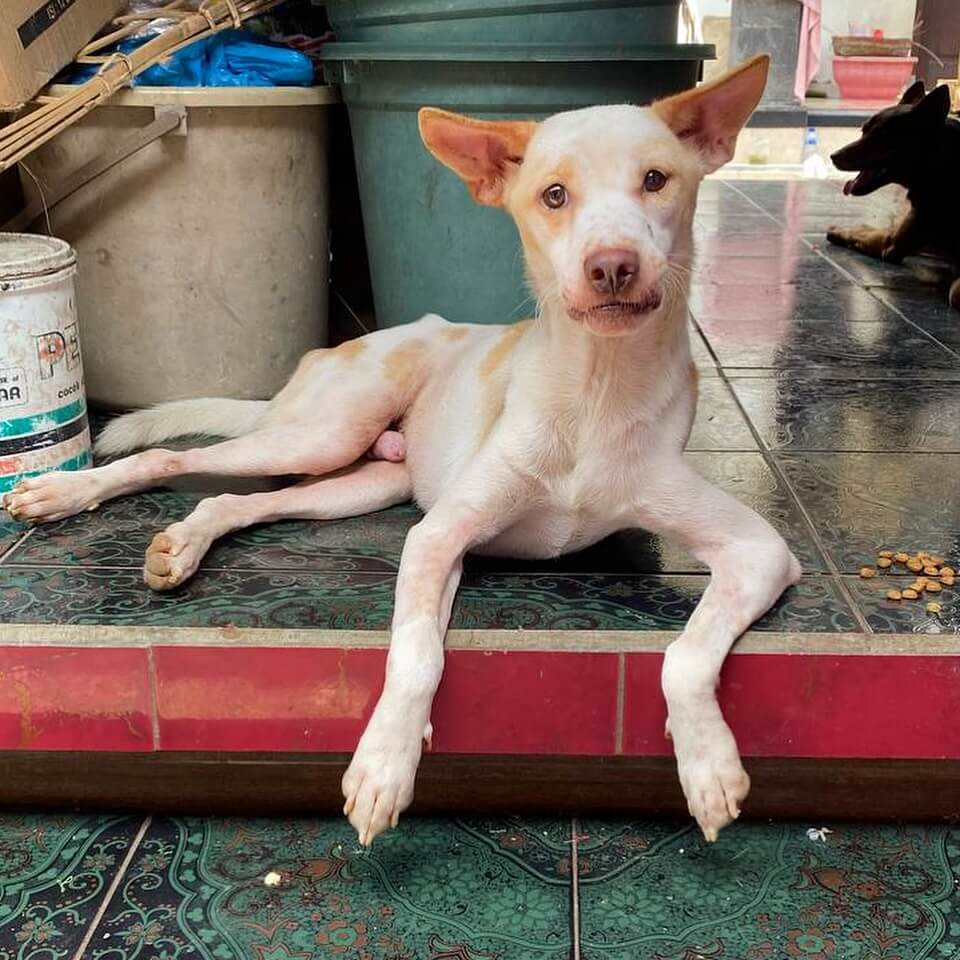
The standard and most effective therapy for TVT is chemotherapy with the drug vincristine. Most dogs respond, and many achieve complete remission after a few doses.
For Moli, that treatment, combined with dedicated care, became his lifeline.
How Moli Survived: From Death’s Door to Second Chance
When Little Steps Matter first rescued Moli, his prognosis was poor. But they committed to give him a fighting chance: chemotherapy, medical care, neutering, vaccinations, and a promise of love. Over weeks, the tumors shrank. His strength returned. His eyes brightened.
In just under two months, Moli went from nearly beyond hope to medically cleared, vaccinated, dewormed, and neutered — no longer at risk of catching TVT again.
That turnaround — against almost impossible odds — makes Moli’s rescue far more than a happy ending. It makes him a signal.
Moli’s Story Is Only One Among Millions
It might feel like Moli is an exception. But the truth is, he’s part of a massive, worldwide problem. A 2024 global analysis by Mars Petcare found nearly 362 million cats and dogs without permanent homes across 20 countries — living either on the streets or in shelters.
In India alone — where stray dogs are a common sight — reports suggest more than 60 million pets roam the streets or wait for adoption in shelters.
Shelters Are Overwhelmed
In countries with strong shelter infrastructure, the collapse is still painful. The ASPCA reports that most animals entering shelters each year arrive as strays or surrendered pets — unable to be cared for anymore.
Thousands never find permanent homes. Many are euthanized. Many more disappear into a cycle of neglect and disease.
Why Cases Like Moli’s Keep Happening
Moli did not end up on the streets because of a single bad owner. His fate is tied to what happens when pets are unneutered, unvaccinated, unsheltered.
Free-roaming dogs in urban and suburban zones often breed uncontrolled. With no access to vet care, diseases like TVT can spread quickly. The social behaviors that make dogs pack animals — sniffing, licking, mating — also make them vulnerable to transmissible illnesses.
Global stray dog populations remain high in places where veterinary care is limited, sterilization efforts are inconsistent, and abandoned pets continue to reproduce outdoors. These conditions allow diseases — including TVT — to spread unchecked.
Lack of resources, limited awareness, and social stigma toward stray dogs often mean that when illness strikes, there’s no one to help. That makes it rare for a dog like Moli — malnourished, sick, scared — to get rescue, care, and a real second chance.
What You Can Do to Help Dogs Like Moli
Spay / Neuter & Support Community Sterilization Efforts
Veterinary authorities widely agree that sterilization — along with vaccination — remains one of the most effective ways to reduce stray dog populations and curb transmissible diseases.
Vaccinate and Provide Routine Care
Dogs living outdoors or as community animals benefit from vaccination and basic health care. Supporting affordable clinics helps prevent treatable diseases from becoming fatal.
Adopt from Shelters — Or Support Rescue Groups
Adopting shelter animals gives them a home, but even those who can’t adopt can support via fostering, donations or signal boosting. Rescues treating severe medical cases — like TVT — rely on community help to survive.
Report Mistreatment or Neglect — Don’t Look Away
If you see injured, sick or suffering animals on the street: report it. Early intervention can save lives.
Moli’s Survival Shows What’s Possible — But Only If We Care
Moli’s rescue is more than a feel-good story about a puppy beating cancer. It’s proof that with care, compassion, and a willingness to act, even the most desperate dogs can get a second shot at life.
Yet for every Moli, there are thousands more slipping through society’s cracks. Dogs born on the streets. Dogs abandoned. Dogs with diseases left untreated until it’s too late.
If these outcomes are going to change, it will be through consistent care, responsible ownership, and communities that refuse to look away.
Because when we choose to help, we don’t just save a dog.
We save a life.
Stories like Moli’s spread only when readers carry them forward. Share this piece and help shine a light on the animals waiting for their chance to be seen.
You can also read these rescues:
Chained for Years, Now Free: Maximus’ Emotional Recovery Story
She Was Stabbed Twice and Left to Die. A Rescuer Gave Her a Second Chance


