
Shakthi Kept Moving Away From Help. Her Rescuer Stayed Until She Could Carry Her to Safety
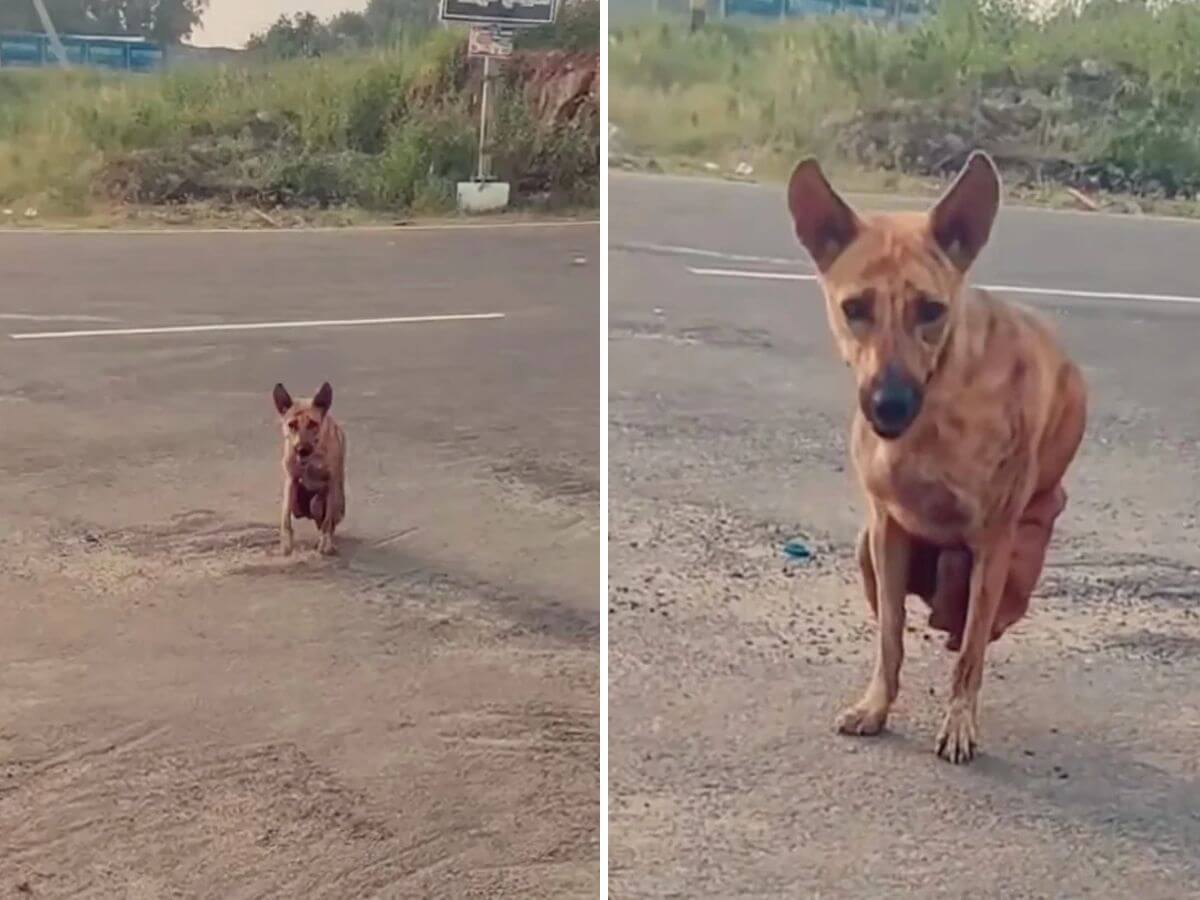
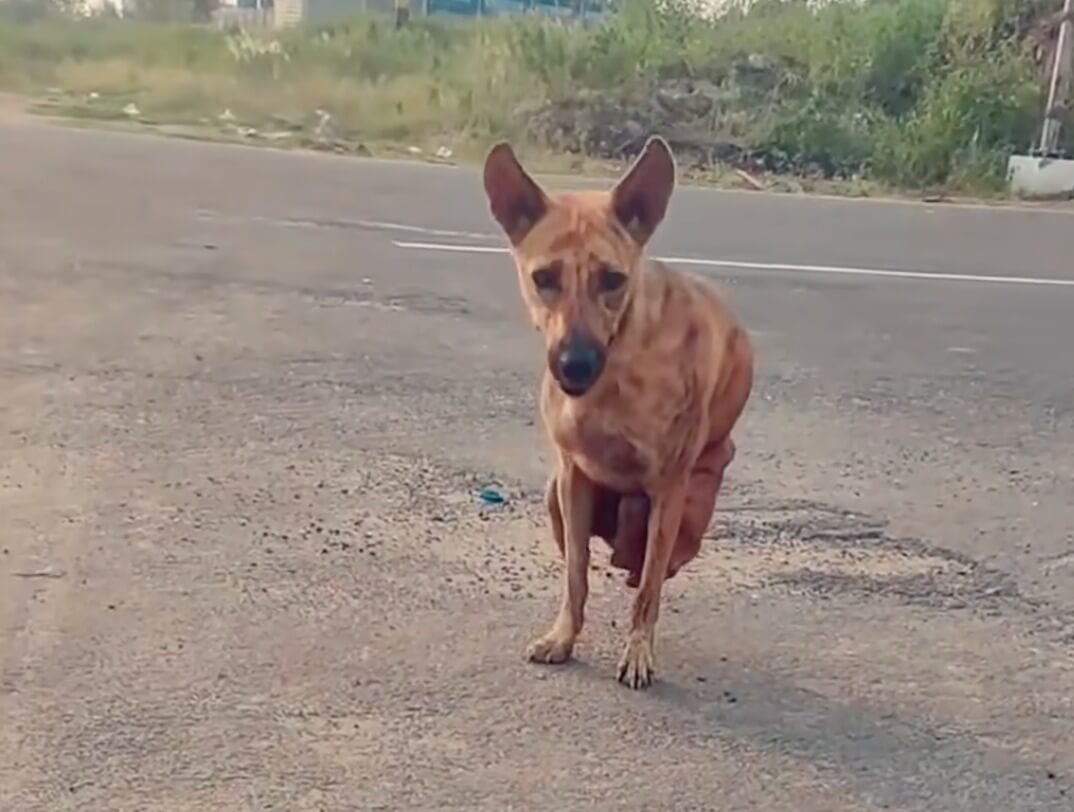
Shakthi had lost her back legs and was living with a back injury that left her hindquarters paralyzed. Moving was difficult, yet when someone tried to help her, she still struggled to get away.
According to the rescue account, people had pushed her away when she approached for food. When a rescuer finally stayed, getting close enough to carry her took much of the day.
That person would later find it difficult to let her go.
She needed help but would not let anyone hold her
Shakthi’s story appears in a video published on the Dog Haven YouTube channel, with rescue credit given to WalKai Rescues. The account follows her rescue, veterinary visit and eventual adoption.
The subtitles describe a dog who had endured serious injuries and become wary of people. They do not explain how she lost her back legs or establish what caused the injury to her back.
What the narrator does describe is the difficulty of reaching her.
Shakthi moved away whenever the rescuer approached. Despite needing food and care, she would not allow herself to be picked up.
Recalling those attempts, the rescuer said, “I tried repeatedly to save her, but she wouldn’t let me hold her.”
There was no quick handoff into waiting arms. The narrator describes spending the whole day trying to gain her trust.
Best Friends Animal Society advises, “Be relaxed and patient as the dog becomes comfortable with your presence.” For someone trying to help a frightened dog, that is a reminder that wanting to help and being allowed close are different things.
Shakthi’s rescuer stayed. Eventually, several young people helped hold her so she could be lifted.
Once she was in their arms, they found a gentle dog
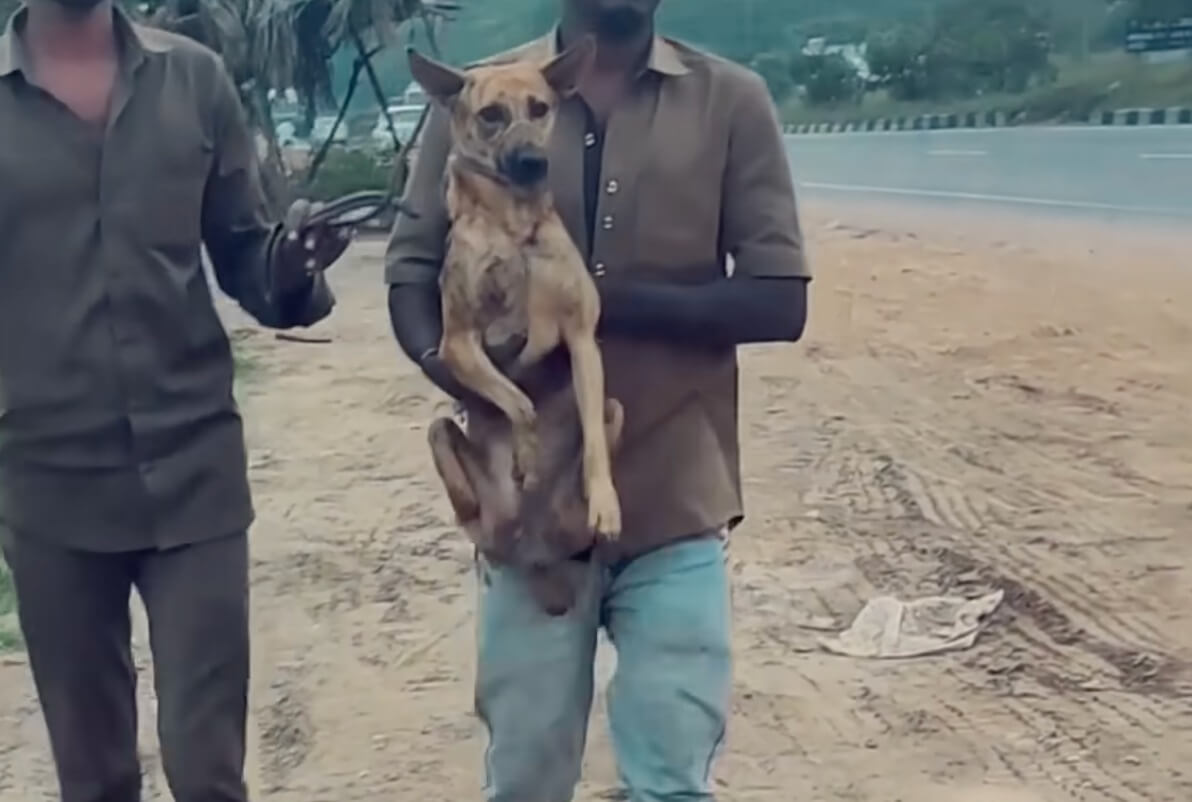
The account describes Shakthi as calm and friendly when the rescuers were finally able to hold her. She did not try to hurt them.
That detail gives the rescue a tender turn. The dog who had kept moving away could now be carried to shelter.
Once there, the caregiver offered her food. Shakthi ate eagerly, and the narrator remembered how hungry she seemed.
The meal could not resolve her injuries, but it met a need the rescuer could answer straightaway. She no longer had to approach passersby in search of something to eat.
There was still her back injury to assess. The caregiver took her to a veterinarian, where, according to the narration, the injury was identified as the reason for paralysis in the rear of her body.
The veterinary visit began a different kind of care
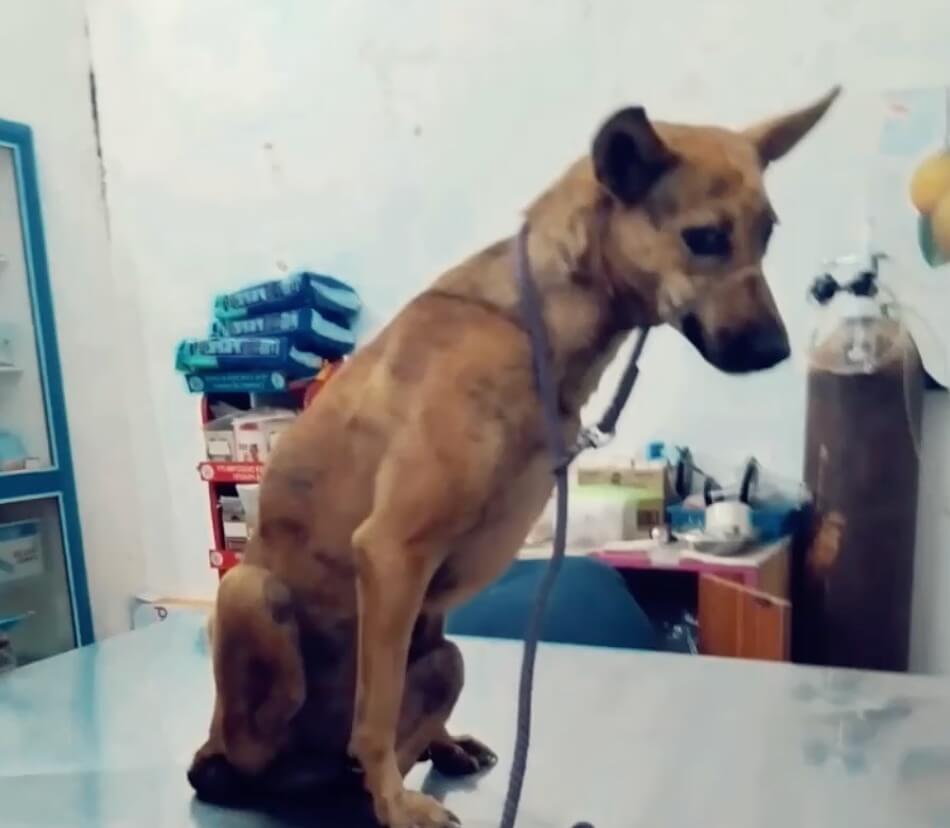
The subtitles give only a brief account of the veterinary findings. They do not name a procedure, describe a rehabilitation program or report that Shakthi regained movement.
Her story continues through care and adoption rather than a documented return to walking.
For a dog living with paralysis, daily comfort can require attention that goes beyond meals and a place to sleep. As VCA Animal Hospitals explains, “They may not be able to urinate on their own,” describing one possible care need for paralyzed pets.
That is general guidance, not a reported finding about Shakthi. For anyone considering caring for a dog with similar disabilities, a conversation with the veterinary team can help establish what assistance that individual dog needs.
Shakthi’s account does not give those household details. It tells us that she remained with her caregiver for weeks before leaving for an adoptive home.
During that time, the person who had worked so hard to reach her grew attached.
Over the following weeks, their bond grew
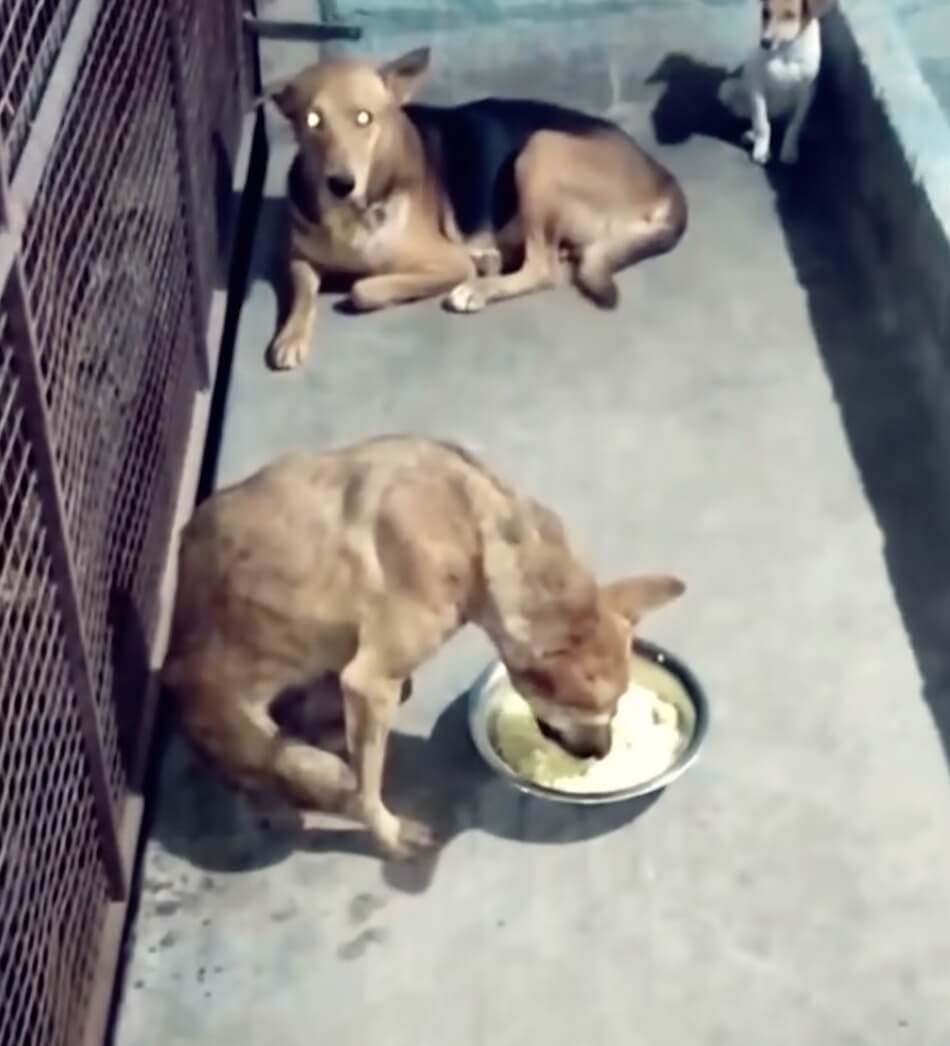
At the beginning of the rescue, the caregiver could barely get close enough to hold Shakthi. By the time she was ready to leave, the rescuer described loving her deeply.
The narration does not give a day-by-day record of those weeks. It does give a clear sense of what the separation meant to the person who had cared for her.
Shakthi had become someone they would miss.
Her disability remained part of her story, but it did not prevent the reported adoption. She had a home waiting beyond the shelter.
PetMD notes that “others can maintain a good quality of life with long-term supportive care.” The passage refers to dogs living with paralysis and offers a hopeful possibility without promising the same medical outcome for every animal.
For Shakthi, the outcome described in the video was a move into a home where she would receive love and care. The account does not supply a later medical update, but it does record her departure for that home.
Saying goodbye brought the rescuer to tears
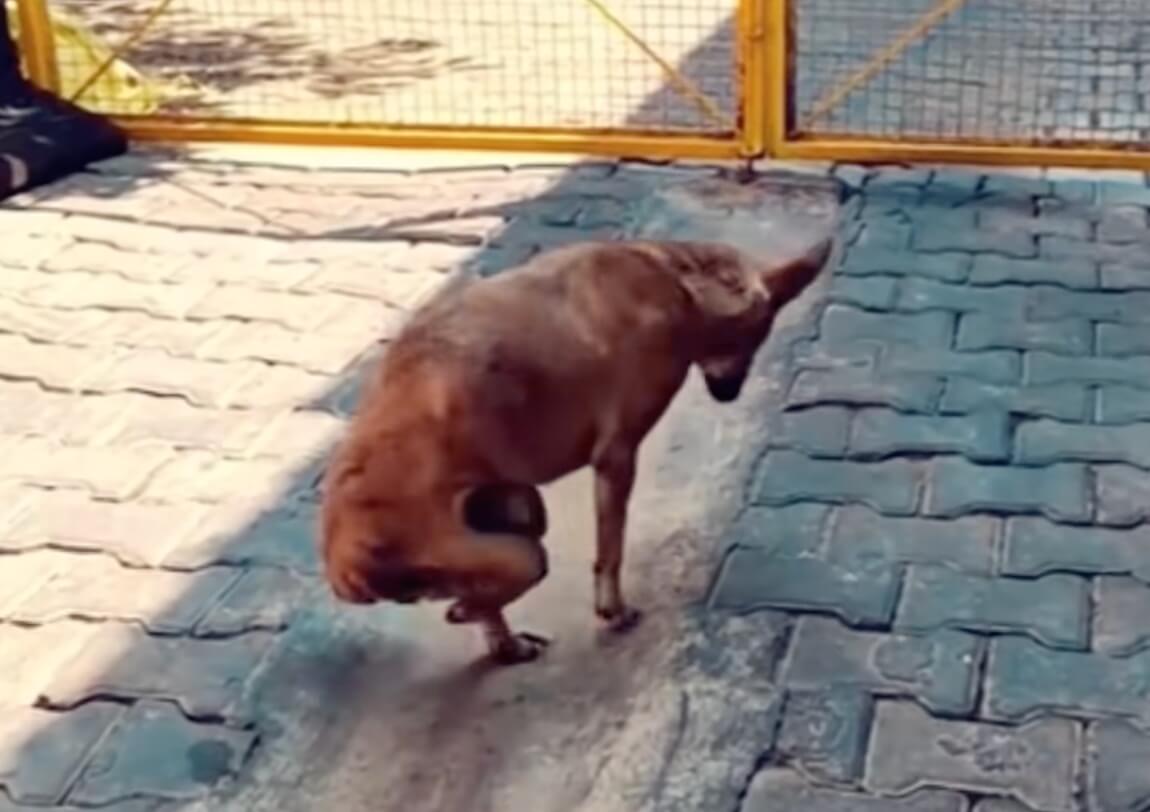
When Shakthi left, her caregiver felt her absence.
The person who had spent a day trying to earn her trust now had to say goodbye after weeks together. Looking back on that departure, the rescuer said, “I couldn’t hold back my tears that day” in the video’s subtitles.
It is an emotional ending because both parts of the account belong together. Shakthi had an adoptive home, and someone who loved her was going to miss her.
The rescuer had first known her as a frightened dog who would not allow herself to be held. They saw her through the journey to shelter, a veterinary visit and the weeks before adoption.
By the end of the account, Shakthi was leaving their care for a home of her own.
Shakthi’s story continued beyond the shelter
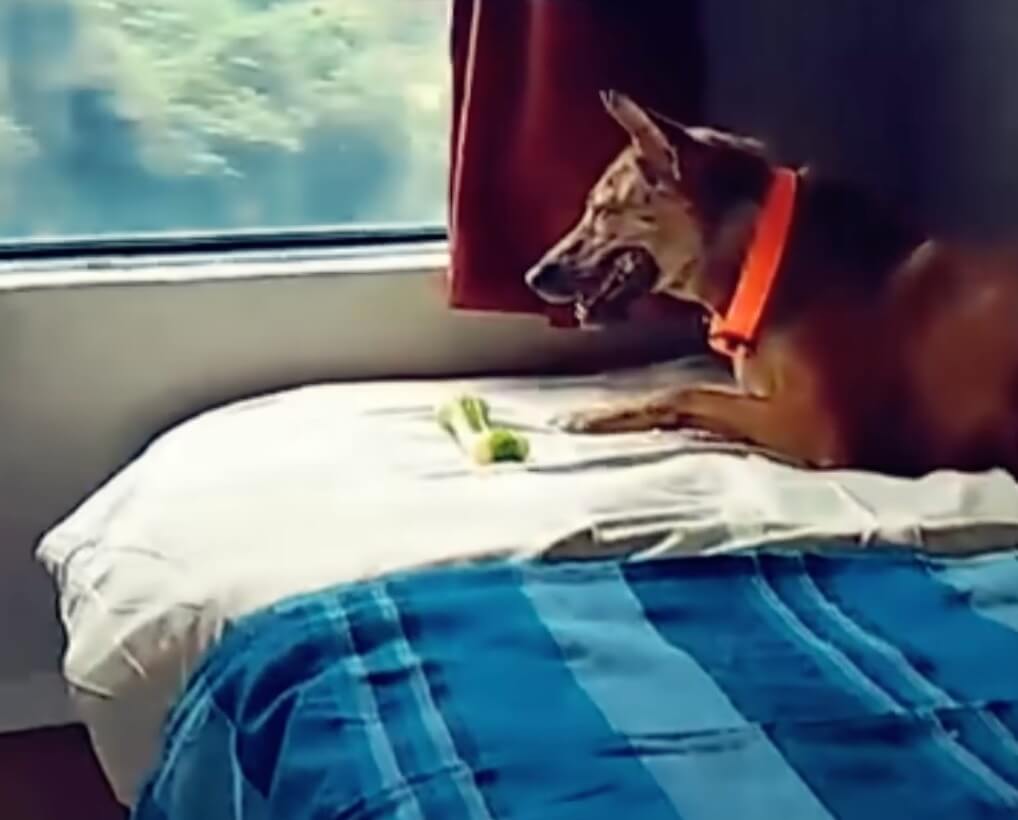
There is no claim in that account that her paralysis disappeared. Her hopeful ending is that she was helped, cared for and welcomed into a home.
The first day required patience before the rescuer could even carry her. The weeks that followed gave them time to form a bond that made goodbye difficult.
Shakthi left with someone ready to care for her, while the person who had first stayed beside her was moved to tears.
If her story touched you, consider sharing it with someone who cares about rescue dogs. It may help another reader see the possibility of a loving home for a dog whose care needs are different.
Also read:
Sirius Learned to Trust on His Walks With Maria. When Walking Grew Hard, She Stayed Beside Him


