
How Small Daily Choices Impact Long-Term Pet Well-Being

I used to think pet health was shaped by big moments.
Vet visits. Diet changes. A new leash. A new food brand.
What changed my thinking was how often nothing dramatic happened, yet something still shifted. My dog’s energy dipped. His sleep changed. His interest in walks faded just a little. No crisis. No warning. Just quiet signals that appeared over time.
If you share your home with a pet, this may feel familiar. Most days look normal. Life moves fast. Small habits blend into the background until one day something feels different.
That is when it clicked. Long-term pet well-being is shaped by the smallest parts of the day, the ones we repeat without noticing.
The good news is this. Those same daily choices are the easiest to adjust once you see them clearly.
Here is why that matters more than most people realize.
Why Pets Respond to Patterns More Than Big Gestures
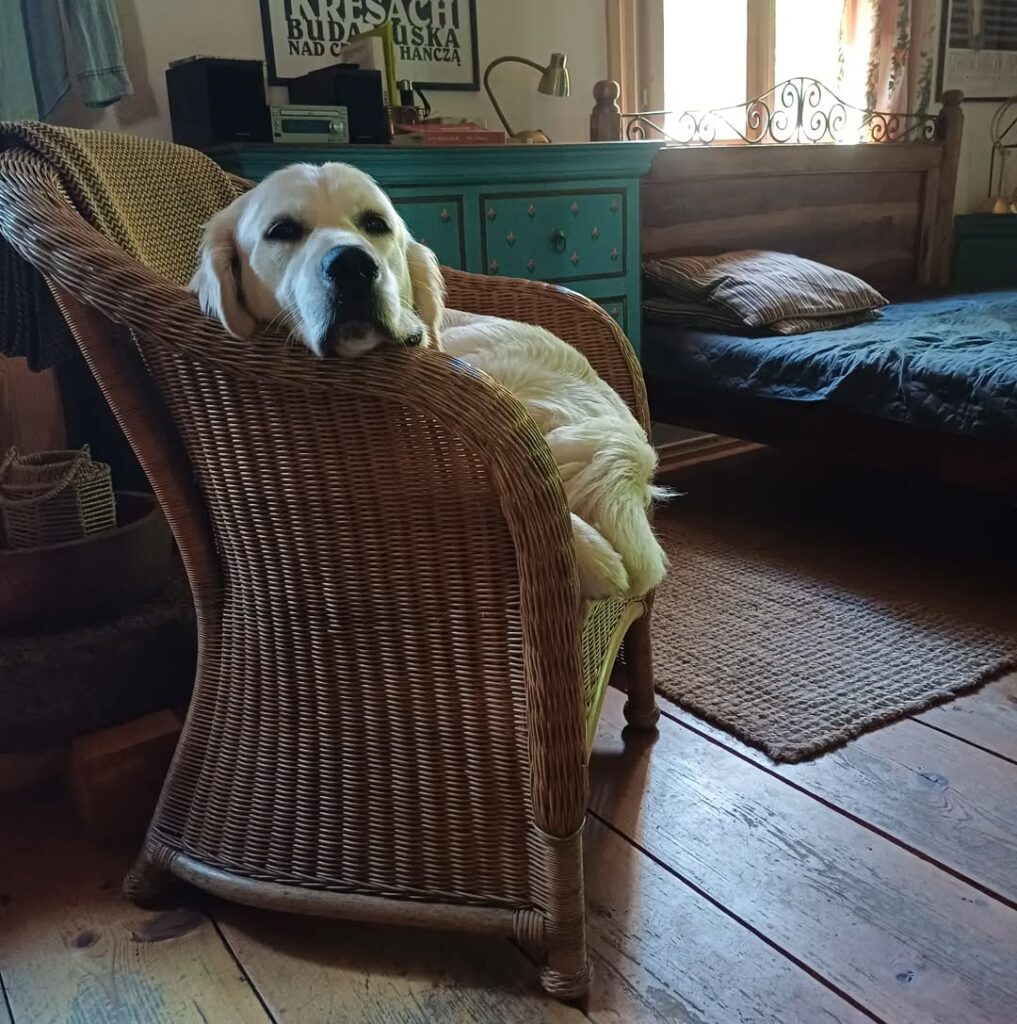
Pets do not experience life in milestones. They experience it in rhythm.
The same feeding spot. The same pause before a walk. The same tone when you say their name. These patterns create a sense of safety long before food or toys enter the picture.
Veterinary guidance on behavior and daily structure shows that predictable routines support emotional balance and reduce stress responses over time. When those routines drift, even slowly, pets often react before owners notice the cause.
This explains why a pet can seem fine for weeks, then suddenly feel off. The shift did not begin that day. It began quietly, through repetition.
Once you notice this, daily habits stop feeling minor. They start to feel meaningful.
That awareness sets the tone for every other choice you make.
Feeding Habits That Shape Health Over Time
Feeding is never just nutrition. It is timing, pace, and environment.
I used to pour food while answering emails. Some days dinner came early. Other days it came late. My dog ate, yet he watched me closely, unsure what came next.
Veterinary nutrition guidance shows that portion size, consistency, and routine shape long-term weight and metabolic health. The American Animal Hospital Association explains how even small daily excesses add up across months and years.
Here is something you can try this week. Feed at the same time each day and pause distractions during that moment. Many pets settle faster when meals follow a steady rhythm.
Food choice also plays a quiet role.
Global veterinary nutrition experts explain how life stage, calorie balance, and nutrient completeness guide better decisions over time. The World Small Animal Veterinary Association outlines how to judge pet foods without guesswork.
Treats matter too. The FDA explains what “complete and balanced” means on pet food labels and how extras can slowly disrupt nutrition.
Once feeding feels steady, movement becomes easier to support.
Movement, Rest, and the Balance Between Them
Movement does not need intensity to matter. It needs consistency.
Short walks. Gentle play. Time to stretch and explore. These moments accumulate across a week.
Research shared by the CDC shows how regular dog walking supports health through repeated daily activity, not occasional long outings.
I noticed my dog slept more deeply when walks happened around the same time each day, even when they were shorter. His mood followed that rhythm.
Rest matters just as much. Pets need downtime that feels calm, not overstimulated.
That rest is shaped by the space they return to.
Home Environment Choices That Add Up

Your home communicates with your pet all day.
Noise. Light. Where they eat. Where they rest. Where they retreat when tired.
Veterinary behavior specialists at Ohio State University explain how indoor environments affect stress and comfort, especially for cats. Small changes, like clear rest zones and predictable resources, support emotional stability over time.
This applies even in small homes. A quiet corner. A consistent sleeping spot. A place that stays familiar.
Try this for a few days. Choose one area of your home and leave it unchanged. Many pets relax faster when one space remains steady.
As the environment settles, emotional cues become easier to read.
The Emotional Tone of Everyday Interactions
Pets read us constantly.
Tone. Body language. Pace. Stress does not need words to travel.
On busy days, I spoke faster and moved quicker. My dog matched that energy without anything else changing.
Behavior guidance in the MSD Veterinary Manual explains how routine, enrichment, and calm interaction support behavior over time.
This does not require extra effort. It begins with awareness.
Pause before giving commands. Keep greetings calm. Let repetition carry the message.
That awareness often reveals early health signals.
Health Signals Hidden in Daily Routines
Well-being rarely changes overnight.
It shows up in appetite shifts. Sleep patterns. Bathroom habits. Grooming behavior.
Veterinary foundations explain that regular observation helps catch concerns early, when support is simpler. The Texas Veterinary Medical Foundation highlights how routine awareness supports long-term health.
You do not need to track every detail. Notice what changes and what stays the same.
Those small observations guide better decisions long before problems grow.
When Small Choices Become Lifelong Habits

No one gets every day right.
What shapes well-being is what repeats.
Feeding rhythm. Regular movement. Calm interaction. Stable spaces. These habits form quietly, then support pets through years of change.
Long-term comfort does not come from effort spikes. It comes from showing up the same way most days.
The Power of Showing Up the Same Way
Small daily choices shape how safe life feels to your pet.
Not in theory. In daily life. Over time.
You do not need perfect routines. You need ones you can repeat.
When patterns stay familiar, pets adapt, rest more easily, and age with more comfort than many people expect.
That work happens every day you come home.
Once people start paying attention to daily patterns, new questions tend to surface.
Not because the ideas are unclear, but because real life is messy. Schedules change. Energy shifts. Some days go smoothly. Others do not.
The questions below speak to those everyday moments when readers wonder whether small choices really matter and how flexible they can be without losing ground.
Frequently Asked Questions About Daily Pet Well-Being
How quickly do small daily changes start to matter?
Some changes show up fast. Others take time.
A calmer feeding routine or a steadier walk schedule may affect mood or sleep within days. Weight, joint comfort, and long-term health usually shift more slowly.
What matters most is direction. When routines feel steadier week to week, progress is happening.
What if my schedule changes often?
Consistency does not require rigid timing.
Pets respond well to familiar sequences even when exact hours move. A walk followed by feeding. Quiet time after play. A predictable bedtime routine.
When the order stays familiar, pets adjust more easily to shifting days.
Can small habits really outweigh occasional disruptions?
Yes, in most cases.
A missed walk or late meal does not undo weeks of steady patterns. Pets are resilient when their usual rhythm returns quickly.
Long-term well-being is shaped by what happens most days, not by the occasional off one.
How do I balance structure without making life feel strict?
Structure should feel supportive, not controlling.
If routines begin to feel stressful to you, pets often sense that tension. Aim for patterns that fit naturally into your day rather than forcing precision.
Comfort grows when routines feel calm for everyone involved.
What signs suggest a daily habit needs adjustment?
Look for subtle shifts rather than dramatic changes.
Lingering restlessness. Reduced interest in play. Changes in appetite or sleep. These often signal that something in the daily flow no longer fits.
Adjust one habit at a time and watch how your pet responds.
Is it ever too late to change daily patterns?
No.
Pets adapt throughout their lives when changes happen gradually and with care. Even older pets respond well to steadier routines and calmer daily cues.
Small adjustments made today still shape comfort in the months and years ahead.
Also read:


