
Abandoned Inside Three Garbage Bags, Stefany Began Learning That People Could Be Gentle
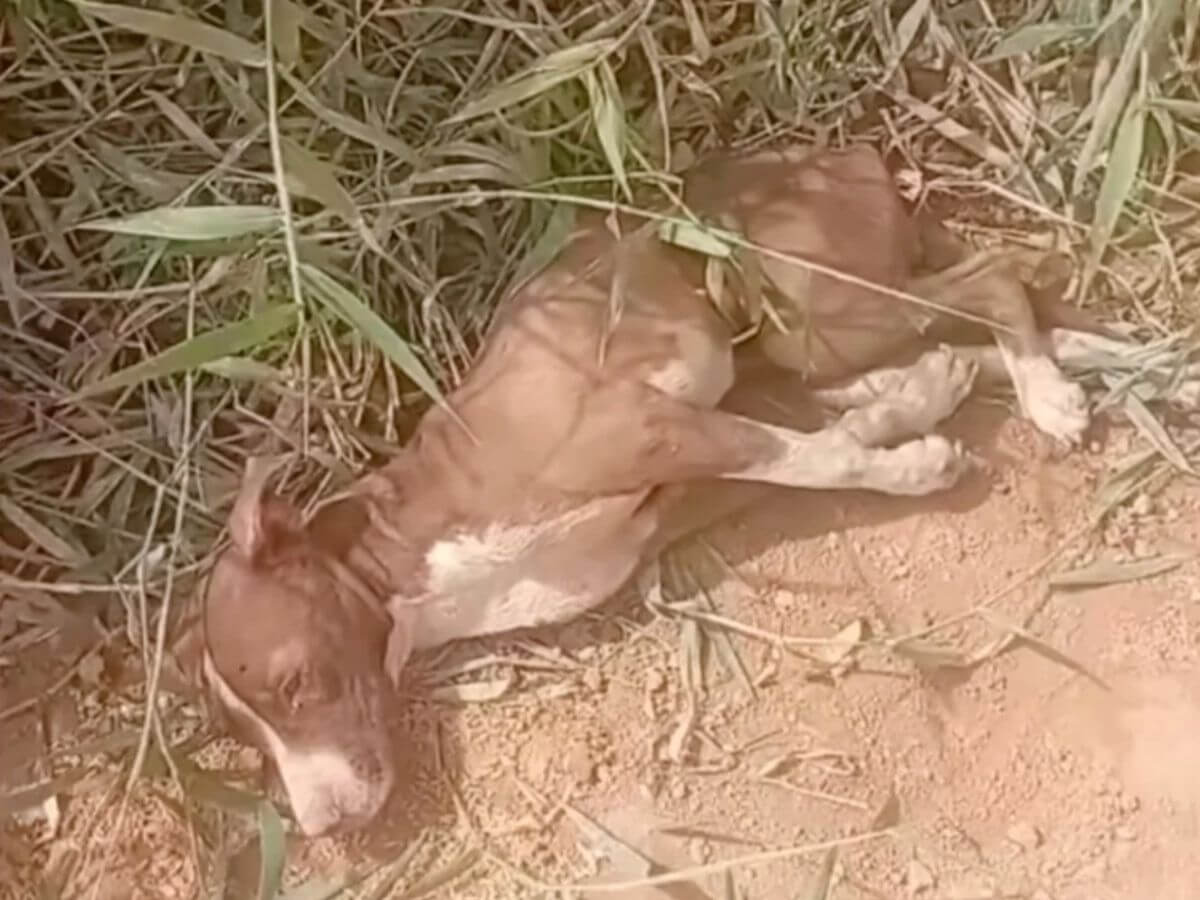
Getting Stefany somewhere safe was the beginning Helping her feel safe around people would take longer.
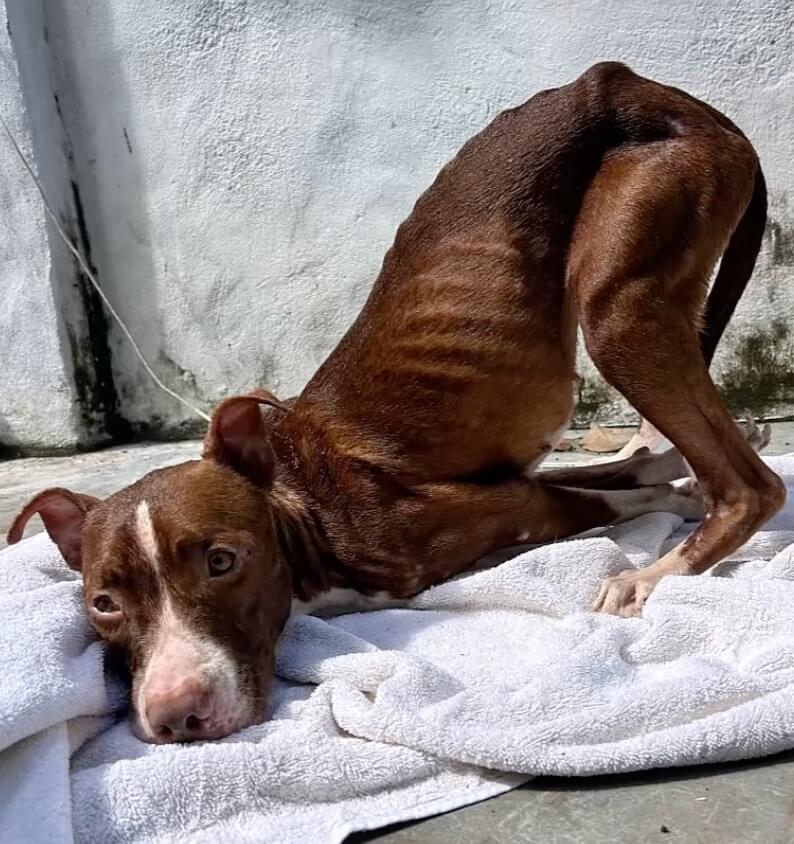
The dog had survived being tied up and abandoned inside three garbage bags in Monte Pascoal, Brazil. A spinal cord injury had changed how she would move for the rest of her life, and she struggled to trust the people around her.
With Caraíva Proteção Animal caring for her, Stefany began adapting to life with her injury. There was movement, growing independence and, with people she came to trust, affection.
Her recovery would be measured in those everyday gains. Her caregivers were also looking toward something she still needed, a home prepared to welcome her as she was.
Getting Stefany to Safety Was Only the Beginning
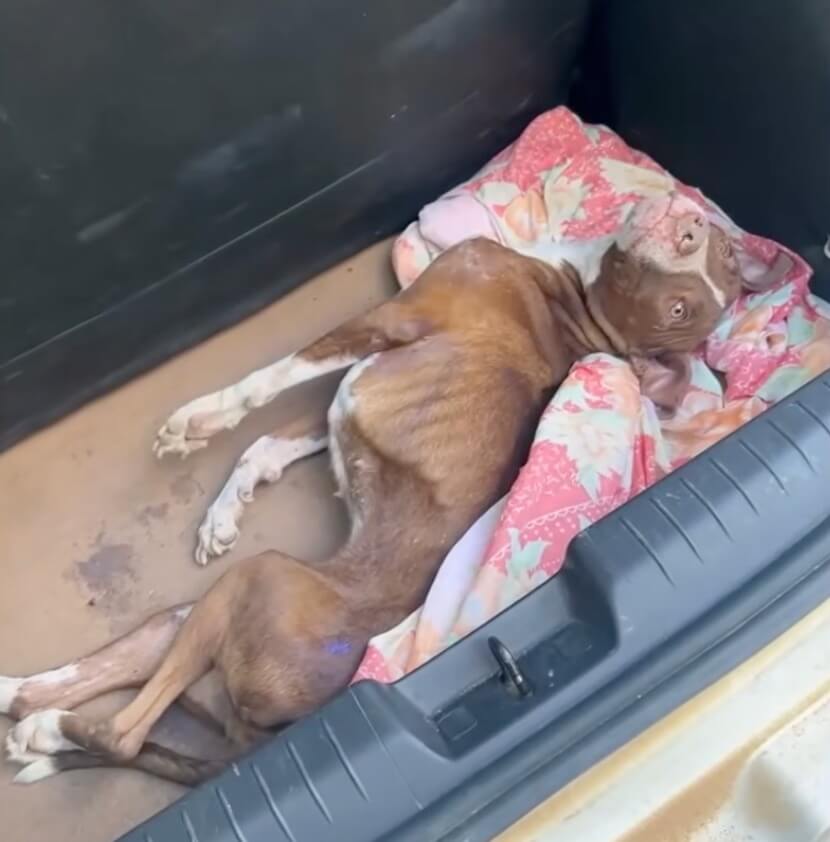
The account shared on the Dog Haven YouTube channel credits Caraíva Proteção Animal with Stefany’s rescue and care. It describes her discovery in Monte Pascoal and the work that followed her rescue.
The team brought her to safety, but removing her from danger did not resolve everything she was facing. Her spinal injury would have lasting effects, and human contact was something she struggled to accept.
As the video’s account of the rescue explains, “But saving her was only the beginning of a much longer journey.”
For Stefany, the next stage meant learning how to get around with her injury while receiving care from people she did not yet trust. Her caregivers needed to support her movement while respecting her discomfort around people.
There was no quick ending to that work. Her caregivers had to make room for both parts of her recovery.
Her Injury Changed How She Moved
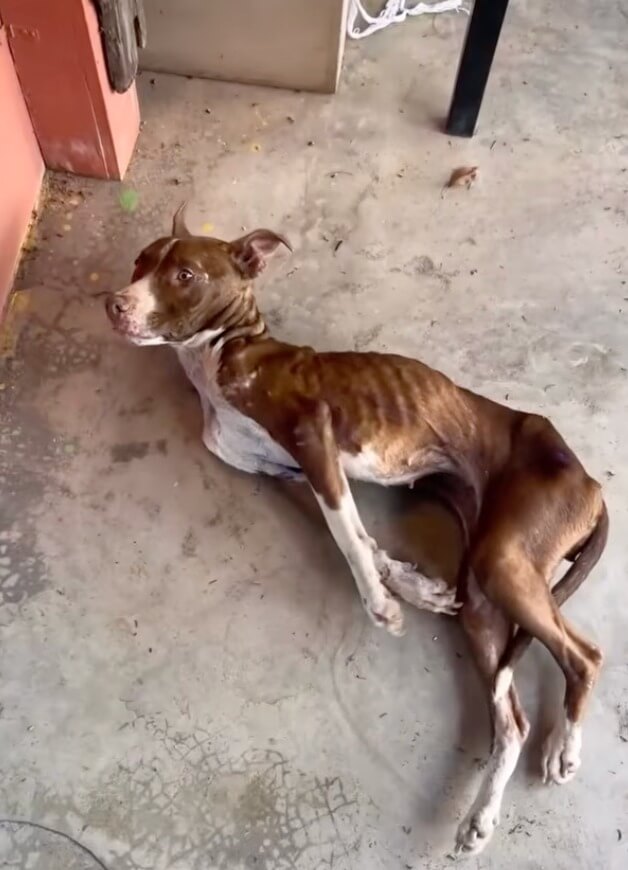
Stefany would not walk normally again. Still, she found her own way to move and kept a degree of independence.
That distinction matters. A lasting injury can change what daily life requires without telling the whole story of the dog living with it.
Stefany could move around her surroundings. At the same time, her caregivers were seeking a home with the comfort and adaptations her body needed.
VCA Animal Hospitals explains one reason a resting place deserves attention in the care of paralyzed pets. “Your pet will need soft, thick bedding to reduce the risk of pressure sores from laying in one position for too long.”
For anyone considering a dog with limited mobility, that makes a soft bed more than a nice extra. Rest is part of daily care, too.
A family considering adoption can ask the rescue and veterinarian what resting arrangements suit that individual dog. Stefany needed a home prepared around her own abilities and care needs.
Trust Had to Happen at Her Pace
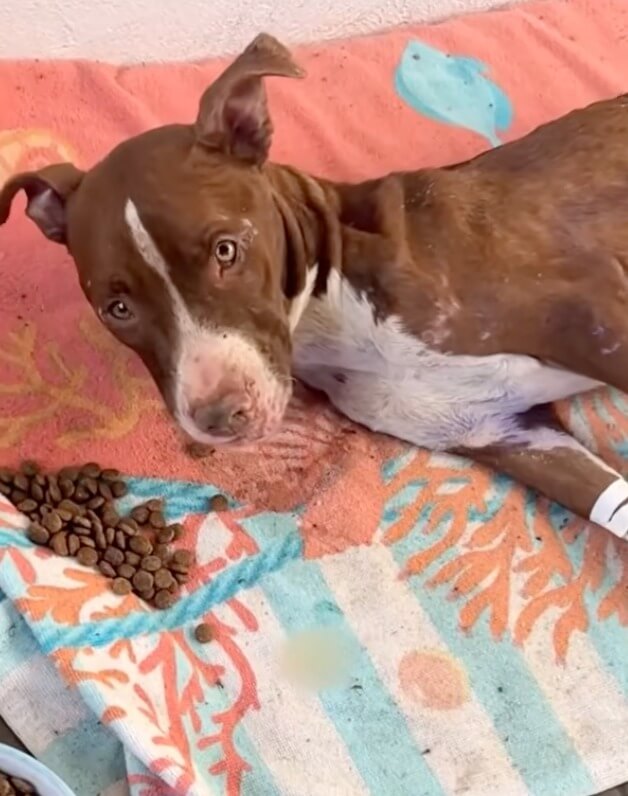
Alongside her physical injury, Stefany was deeply distrustful of people. Her caregivers could offer kindness, but she needed time before she could become comfortable with it.
The video’s account describes the approach her rescuers needed to take. “She needed patience, gentle treatment, and people willing to respect her boundaries.”
That meant allowing closeness to develop at Stefany’s pace. Affection could not become another demand placed on her.
ASPCApro offers guidance that helps explain this approach. “Give shy dogs time to approach at their own pace rather than moving toward them.”
If you have ever wanted to comfort a frightened dog immediately, that advice asks for a quieter kind of kindness. Giving a dog room to choose contact can be part of helping them feel comfortable.
For Stefany, trust began making a difference. Around people she felt secure with, her sweet, affectionate side began to appear.
Her distrust and her affection belonged to the same dog. The people caring for her needed to allow time for both.
A Wheelchair Was One Part of the Plan
As people learned about Stefany, some asked whether a wheelchair could help her move.
At the time described in the video, a specialized organization was building a custom wheelchair for her. The equipment was still being prepared, so this stage of her story did not yet include a first outing in it.
The possibility of more support during outings was hopeful. Her rescuers also drew attention to what she would need outside those moments, including a comfortable place to rest and steady daily care.
Best Friends Animal Society explains why a cart cannot fill every part of that day. “Dog wheelchairs are not meant to be used for long periods of time or without supervision.”
For someone thinking about adopting a dog who uses a wheelchair, the time outside the cart belongs in the plan as well. A household needs to be ready for ordinary hours of care, alongside the outings people may picture first.
Stefany’s future depended on that wider picture. The equipment could offer support, while people would be responsible for making her home comfortable and helping her feel secure there.
She Had Made Progress, but Still Needed Somewhere to Belong
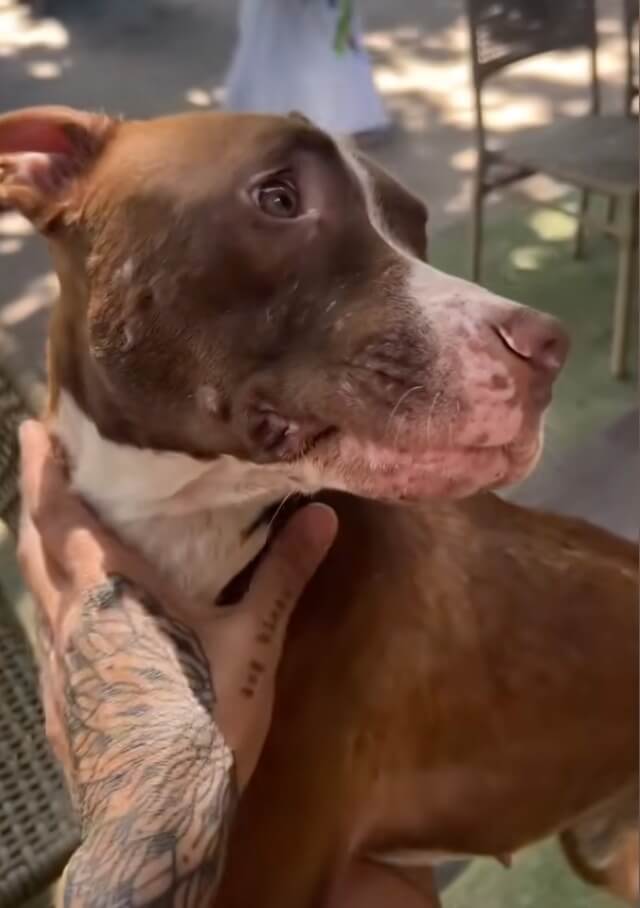
The account follows Stefany from rescue through adaptation and the slow development of trust. By its end, she was moving in her own way, showing affection with trusted people and waiting for the next part of her life.
Caraíva Proteção Animal hoped to find a family willing to accept her disability and meet her needs. The home being sought was one for Stefany alone, with suitable adaptations and comfort.
At the time of the video, her caregivers were still searching for a suitable home.
She had people caring for her. She had retained independence. She had begun allowing closeness with people she trusted.
What she needed next was a family prepared to keep giving her that time and care.
If Stefany’s story stays with you, share it to help others see the companion her caregivers came to know, a dog who could be cautious with strangers and affectionate with people she trusted.
Also read:
Birdie Finally Had a Safe Place to Sleep. But Her Leg Wounds Wouldn’t Heal.


