
How to Create a Stress-Reducing Environment for Pets

A few years ago, I noticed something off with my pet. Nothing dramatic. Eating was normal. Sleeping looked fine. Playtime still happened. Yet something felt wrong. The energy was flat. The spark was gone.
If you have ever felt that quiet unease with your own pet, you know how unsettling it can be. There is no obvious problem to point to. Just a sense that something has shifted.
That experience taught me a hard lesson. Stress in pets often hides in plain sight. It does not always show up as destruction, aggression, or obvious fear. Sometimes it shows up as subtle withdrawal, restlessness, or small behavior changes we brush off as mood or personality.
Here is why this matters. A pet’s environment shapes their nervous system every single day. The routines, sounds, spaces, and even our own stress levels quietly influence how safe or alert they feel at home. Over time, those signals add up.
This article walks through how to recognize environmental stress and how to create a calmer, more supportive home without guesswork or extremes.
Medical and Educational Disclaimer
This article is for educational purposes only. It does not replace advice from a licensed veterinarian or a qualified animal behavior professional. If your pet shows sudden behavior changes, ongoing distress, or signs of illness, seek professional guidance.
What Stress Really Means for Pets

Stress is not just fear or panic. In animals, stress is the body staying on alert longer than it should. Loud sounds, unpredictable routines, crowded spaces, and even well-meaning attention can push a pet into a constant state of watchfulness.
Veterinary behavior guidelines explain that long-term stress reaches beyond behavior alone. It can affect digestion, immune response, sleep quality, and how well a pet adapts to change.
The American Animal Hospital Association’s behavior management guidelines make it clear that reducing environmental stress is part of responsible pet care, not an optional extra.
The key point is simple. Stress builds quietly. What seems minor on its own can carry weight over time.
Also read:
How Pets Experience Your Home Differently
We see our homes as safe and familiar. Pets experience them through sound, scent, movement, and routine.
A slammed door can register as a threat. A constantly shifting schedule can feel unsettled. Strong cleaners can overwhelm a sensitive nose long after we stop noticing them.
This means pets rely on patterns to feel secure. When those patterns change without warning, their bodies often react before behavior changes become obvious. That early reaction is easy to miss unless you know what to watch for.
Why Predictable Routines Calm the Nervous System
Feeding times, walks, play, and rest act as anchors in a pet’s day. These anchors help the brain anticipate what comes next. That predictability reduces internal stress signals.
Veterinary behavior references describe routine as a stabilizing force during periods of change, aging, or recovery. Guidance from the MSD Veterinary Manual notes that consistency helps reduce stress linked to environmental shifts and overstimulation.
A simple place to start is meal timing. Even a loose window can help a pet feel more grounded than an unpredictable schedule.
Sensory Stressors Many Owners Miss
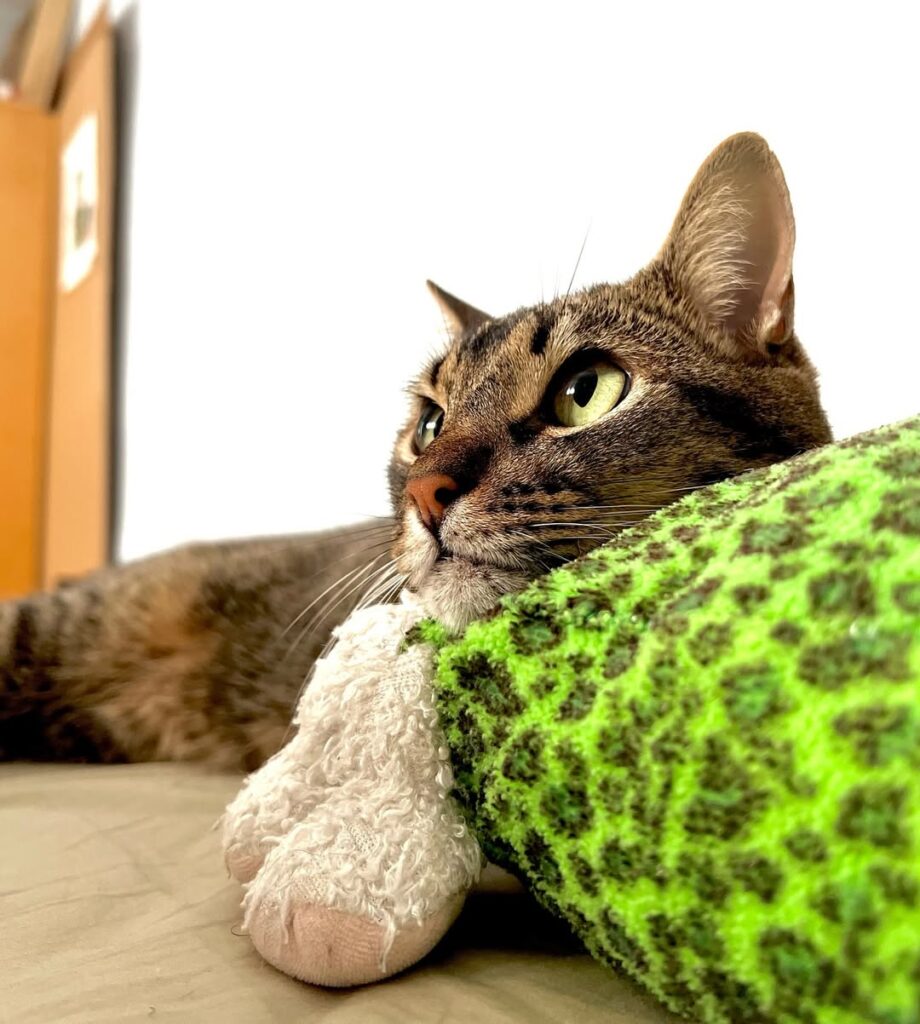
Sound is often the first trigger. Televisions running all day. Loud music. Street noise that never fully stops. Pets do not filter these the way people do.
Lighting plays a role too. Bright overhead lights late at night can disrupt rest. Sudden temperature shifts can create physical discomfort that shows up as restlessness.
Scent is another common blind spot. Strong cleaning products and air fresheners linger far longer for pets than for us. I learned this after deep-cleaning one afternoon and watching my pet avoid an entire room for days.
Creating Safe Zones Without Cutting Your Pet Off
A safe space is not isolation. It is choice.
Feline environmental guidelines stress that pets feel calmer when they can control access to hiding and resting areas without being pushed away from the household.
The AAFP and ISFM feline environmental needs guidelines highlight predictable access to secure resting spots as a way to reduce fear and stress.
A small adjustment can make a difference. A bed or covered space placed in a quiet corner, with visual access to the room, lets your pet choose when to engage and when to retreat.
Mental Stimulation Without Overloading the Senses

Engagement helps pets cope, but more is not always better. Constant toys, nonstop play, and forced interaction can raise stress instead of easing it.
Veterinary behavior specialists at UC Davis emphasize that enrichment should match the individual animal and remain safe. Their guidance encourages owners to watch how pets respond rather than following trends that may not suit every temperament.
Often, shorter play periods followed by quiet time support balance better than constant stimulation.
How Human Stress Seeps Into Pet Behavior
Pets read body language and tone with sharp accuracy. When we rush, raise our voices, or carry tension home, pets notice. They may not understand the reason, but they respond to the shift.
I saw this during a demanding period in my own life. My pet became clingy, restless, and struggled to settle at night.
As my routine slowed, the behavior softened too. The environment includes us, whether we mean it to or not.
When Stress Starts to Look Like a Health Problem
This is where caution matters. Stress signs can overlap with illness signs. Changes in appetite, hiding behavior, or sleep patterns should not be brushed aside.
Clinical research supports this overlap. A randomized clinical study published on PubMed Central found that environmental enrichment reduced measurable stress in hospitalized cats, underscoring how strongly surroundings influence physical stress responses.
If changes persist or worsen, professional evaluation is the safest next step.
When Professional Help Is the Right Step
Ongoing stress, sudden behavior shifts, or withdrawal deserve attention. Veterinarians and certified behavior professionals can help determine whether the cause is environmental, medical, or a mix of both.
Seeking guidance is not a setback. It is part of thoughtful care.
Bringing Calm Back Into Your Pet’s Daily Life
You do not need a perfect home to support a calmer pet. Small, steady adjustments often matter more than big changes made all at once.
Start with routine. Reduce unnecessary noise. Offer choice and quiet spaces. Watch how your pet responds over time, not how social media says they should respond.
A calmer environment supports a calmer pet. And in many homes, it brings more calm back to the people living there too.
Even with a calmer home and better routines, questions still come up. Stress can look different from one pet to another, and it is normal to want reassurance as you make changes.
The questions below address common concerns pet owners raise when trying to support emotional well-being at home.
Frequently Asked Questions About Reducing Stress in Pets
How can I tell if my pet is stressed or just having an off day?
Short changes in mood can happen. Stress tends to show up as patterns rather than one-time moments. Repeated withdrawal, restlessness, changes in sleep, or shifts in appetite often signal that something in the environment may be affecting your pet. When changes last more than a few days or keep returning, it is worth paying closer attention.
Can environmental stress really affect a pet’s health?
A stressful environment can influence how a pet’s body functions over time. Stress affects sleep quality, digestion, and how the body responds to everyday challenges. That does not mean stress causes disease, but it can make it harder for a pet to cope when other issues arise. This is why veterinarians emphasize calm, predictable surroundings as part of responsible care.
How long does it take for pets to adjust to environmental changes?
There is no fixed timeline. Some pets respond within days, while others need weeks of consistency before they settle. Progress often looks gradual. Small improvements in sleep, appetite, or relaxation usually come before behavior fully shifts.
Is it possible to overstimulate a pet while trying to reduce stress?
Yes. Too much interaction, constant activity, or frequent changes can increase stress rather than lower it. Many pets benefit from balance. Calm periods are just as important as play and engagement.
Should I change everything at once to create a calmer environment?
Making too many changes at the same time can overwhelm pets. Gradual adjustments work better. Start with routine, then address noise, lighting, or space one step at a time. Observing how your pet responds helps guide what to change next.
When should I talk to a veterinarian or behavior professional?
If stress-related signs continue despite environmental changes, or if behavior shifts suddenly, professional guidance is important. A veterinarian can help rule out medical causes, and a qualified behavior professional can offer support tailored to your pet’s needs.
Can my own stress really affect my pet that much?
Pets are sensitive to tone, movement, and daily rhythm. While they do not understand the source of human stress, they respond to it. Creating calmer routines for yourself often helps pets settle as well.


