
How to Teach Pets Good Habits Without Punishment
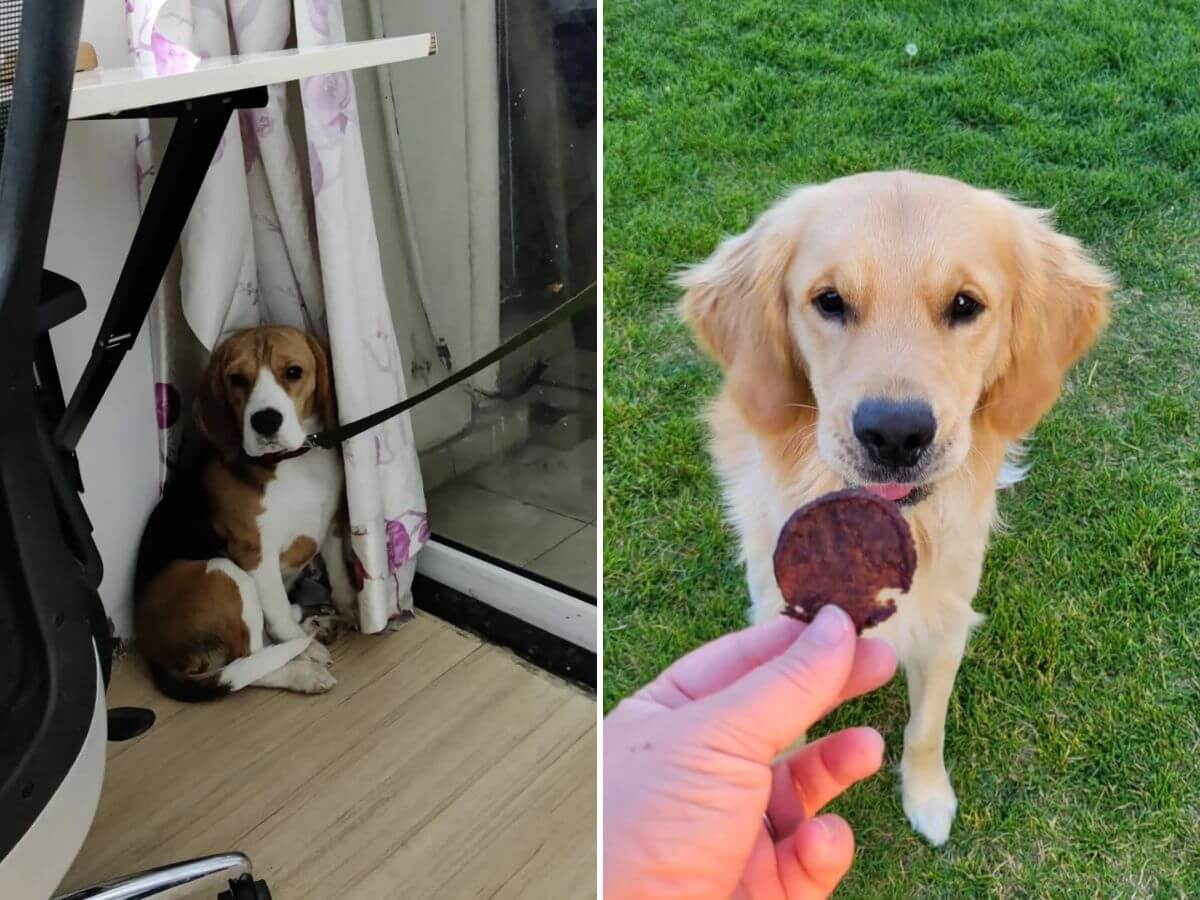
Most people reach for punishment because they want the habit to stop fast.
Jumping at the door. Scratching furniture. Barking at the wrong moment. Chewing something that shouldn’t be touched.
I used to think the same way. Early on, I believed a sharp reaction would make the message clear. What I noticed instead was hesitation. My pet listened sometimes, then repeated the behavior when I wasn’t around. Nothing really changed.
That’s because punishment often stops behavior in the moment, not the reason behind it.
There’s a calmer way to teach habits that actually stick, without tension or constant correction. And it works in real homes, not training facilities. Here’s how to start using it today.
Why Punishment Fails Quietly

Punishment often looks effective in the moment. The behavior stops. The room goes quiet.
What actually happens is different.
Veterinary behavior experts explain that punishment can create fear and confusion rather than understanding. The pet learns to avoid you or the situation, not the habit itself. When the pressure disappears, the behavior often returns.
The American Veterinary Society of Animal Behavior makes this clear in its position on humane training. It states that aversive methods can damage animal welfare and the human animal bond, and it recommends using only reward based training methods for all dog training, including behavior problems.
Once you see punishment this way, it becomes easier to let it go. You stop chasing silence and start teaching understanding.
That shift leads to the next question.
What Pets Really Learn From Punishment
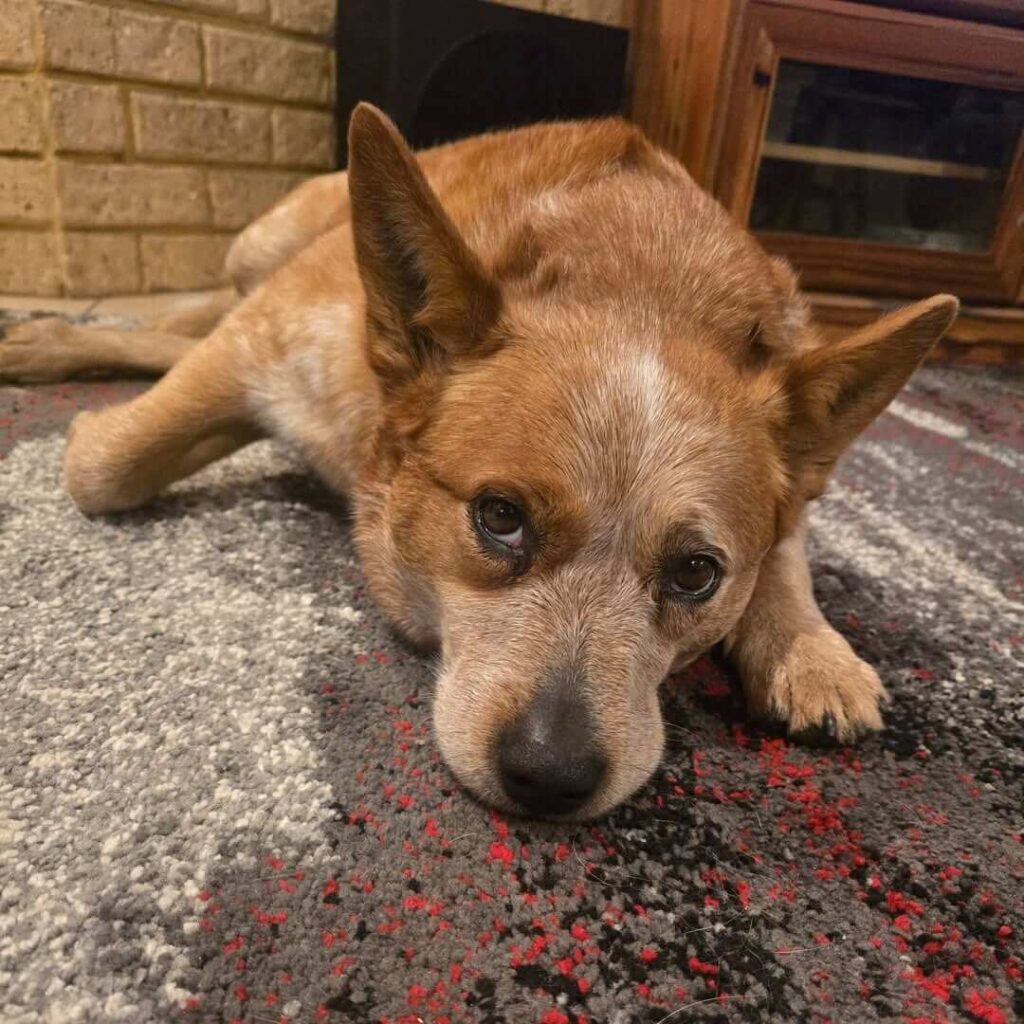
Pets learn through timing and patterns, not explanations.
If a reaction comes too late, the lesson connects to the wrong moment. If it comes too strong, learning shuts down. Many owners miss this because the behavior pauses briefly, which feels like progress.
Animal welfare groups explain that fear based reactions often teach pets what not to do only when someone is watching. That’s why habits seem fixed during supervision and fall apart later.
The British Small Animal Veterinary Association explains that reward based methods are more effective and less likely to have unwanted side effects than aversive approaches, and it warns that aversive methods can be stressful, frightening, and linked to fear and aggression over time.
Once trust drops, learning slows. Clear communication becomes harder.
That’s where signals matter more than reactions.
Teaching Starts With Clear Signals, Not Corrections
Good habits grow from clarity.
Pets need to know which behaviors earn a positive response. Tone matters. Timing matters. Body language matters more than many people realize.
If cues change day to day, learning stalls. If rules depend on mood or frustration, habits weaken.
I noticed this when I realized my reactions were louder than my guidance. The moment I focused on clearly marking the right behavior instead of reacting to the wrong one, learning sped up.
The RSPCA describes reward based training as setting pets up to succeed and reinforcing the behavior you want to see. It also explains that unwanted behaviors are often best handled by ignoring rather than reacting, which helps pets learn without fear.
Once signals stay steady, something interesting happens. The environment starts doing the work.
Let the Environment Shape the Habit First
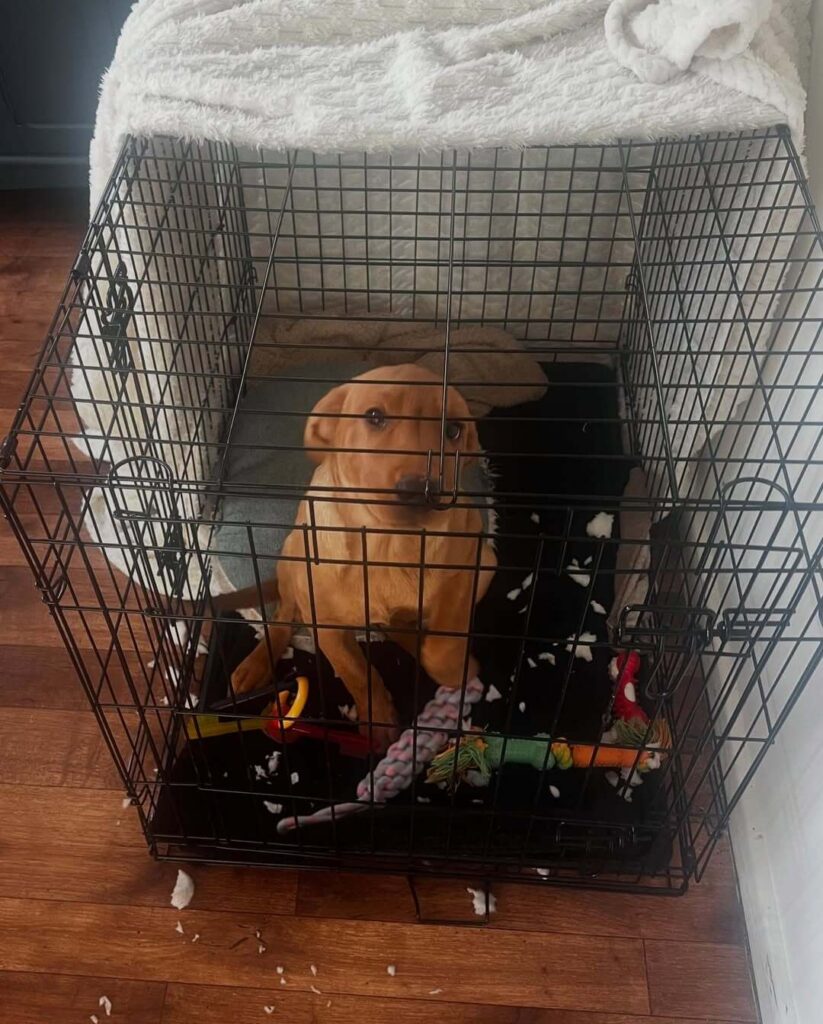
Most habits begin because the environment allows them.
If shoes are within reach, chewing happens. If counters are accessible, surfing follows. If a doorway becomes exciting, rushing repeats.
Instead of correcting each moment, adjust the setup.
Move tempting items out of reach. Use gates to limit access. Shift feeding and play times so energy doesn’t spill into unwanted behavior.
In small homes, this matters even more. One small change can prevent dozens of tense moments later.
When the environment supports the habit you want, rewards carry more meaning.
Using Rewards Without Creating Dependence
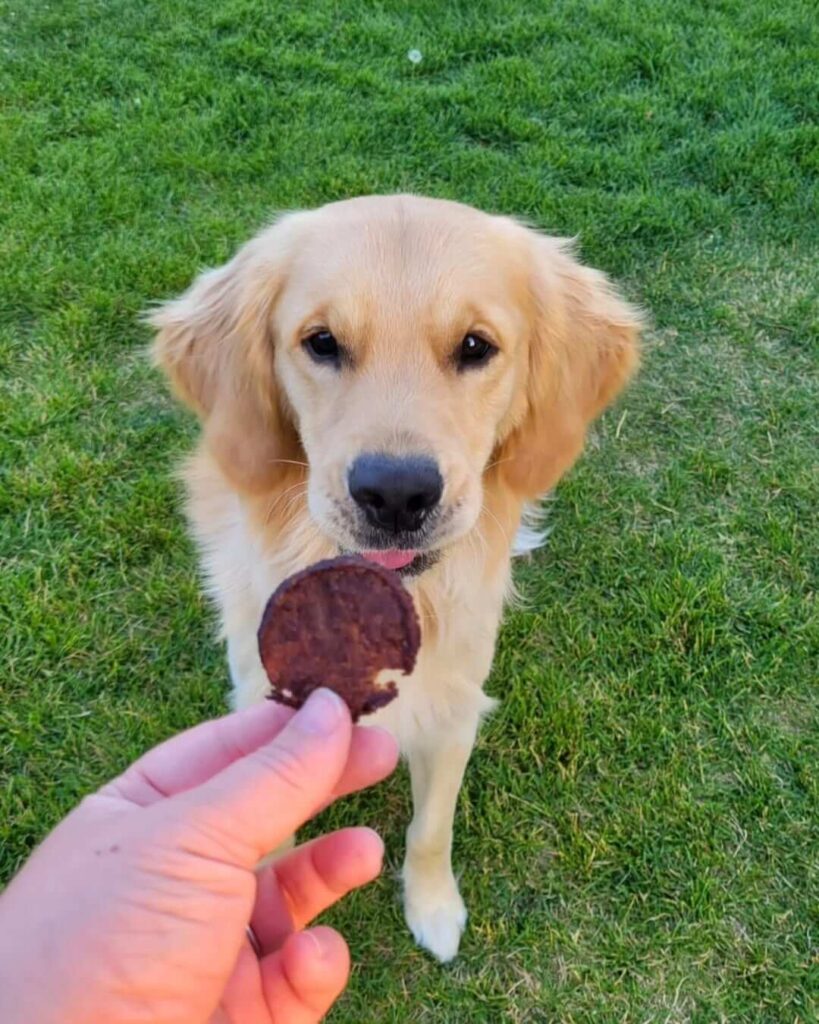
Rewards are not bribes. They are information.
They tell your pet which choice worked. Timing matters most here. A reward given late teaches the wrong lesson.
The American Association of Feline Practitioners explains that rewards need to be delivered immediately, within a few seconds, to avoid confusion, and it warns that punishment can lead to fear, stress related behavior problems, slowed learning, and a weakened human animal bond.
As habits strengthen, rewards shift. Food fades. Praise, access, and routine take over.
Mistakes still happen. That doesn’t erase progress.
What to Do When a Habit Slips
Progress is rarely smooth.
When a habit breaks down, pause. Redirect. Reset the moment. Avoid reacting emotionally.
Repetition teaches more than correction. Calm follow through builds understanding faster than sharp responses.
I noticed this most during busy weeks. When I stayed steady instead of frustrated, habits returned on their own.
Some homes simply need more time.
Teaching Pets in Shared Spaces
Multi pet homes add complexity. Rescue pets carry history. Cats and dogs learn at different speeds.
This doesn’t mean punishment is needed. It means clarity matters more.
Stagger learning moments. Keep individual routines intact. Avoid comparing progress between pets.
When learning feels uneven, trust the process.
Time matters here.
How Long Good Habits Take to Stick
Habits don’t settle after a few good days.
Learning takes weeks of consistency. Confidence builds through repetition without pressure.
If progress feels slow, that’s normal. Change rarely moves in a straight line.
When trust stays intact, habits last.
Building Trust While Teaching Skills
Punishment free teaching builds more than good behavior.
It builds confidence. It builds safety. It builds a relationship where learning continues without fear.
When habits are guided instead of forced, pets respond with clarity and calm.
Start small today. One habit. One moment. One clear signal.
That’s how real change sticks.
Also read:


