
The Complete Dog Care Guide: From Puppyhood to Senior Years
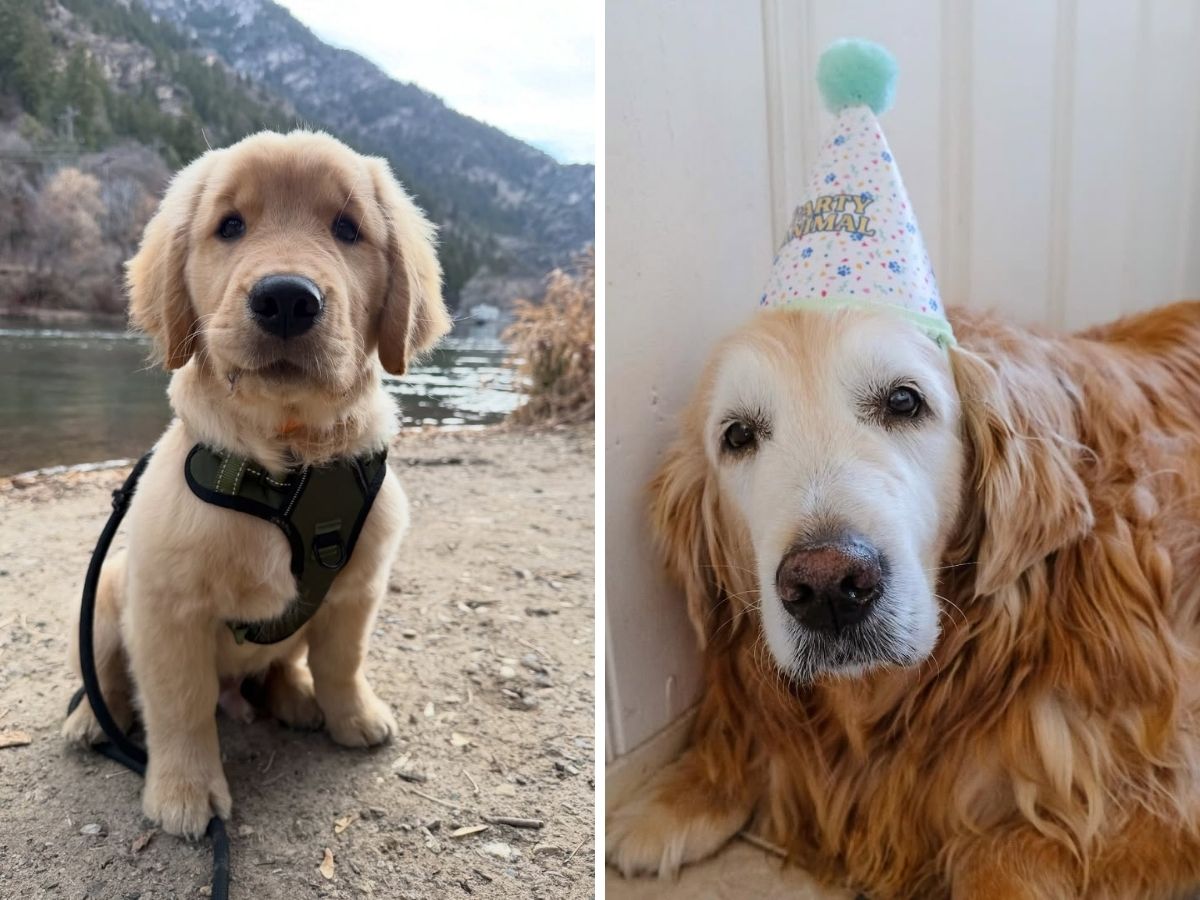
Dog care changes quietly over time. Not overnight, not with a clear warning, and rarely when it is convenient. I have seen this happen again and again. Dogs grow, age, and adapt, while many homes keep running on routines that made sense years earlier.
A puppy needs structure to feel safe. An adult dog needs balance to stay steady. A senior dog needs comfort, patience, and thoughtful support. When care does not shift with age, stress shows up first. Behavior changes creep in. Small health issues grow louder. Owners feel frustrated because they are still feeding well, walking daily, and doing what once worked.
Here is the part many people miss. Dogs experience life through their bodies and daily rhythms. When those rhythms no longer match their age, friction builds even in loving homes. That disconnect explains why well-intentioned owners often feel blindsided by new challenges.
This guide is built to close that gap. It walks through each stage of a dog’s life with practical care adjustments you can use right away. Not trends. Not generic advice. Just real actions that support health, behavior, and quality of life as your dog grows.
Let’s break it down.
Understanding Your Dog’s Life Stages
Dogs move through life faster than most people expect. A behavior that looks minor this year can turn into a health or training issue the next.
Breed size plays a role here. Smaller dogs often stay physically capable longer. Larger dogs tend to age faster and show joint stress earlier. That timing affects how much they should eat, how they should move, and how recovery looks after activity.
Veterinary professionals encourage owners to think in life stages rather than birthdays. The American Animal Hospital Association explains this clearly in its life-stage guidance, which connects age with behavior shifts, nutrition needs, preventive care, and screening priorities.
The practical takeaway is this. Care that worked last year may quietly stop working this year. When owners adjust early, dogs settle more easily, and small issues stay small. When adjustments come late, stress builds on both sides of the leash.
That understanding starts in puppyhood.
Puppyhood: Building the Foundation That Lasts
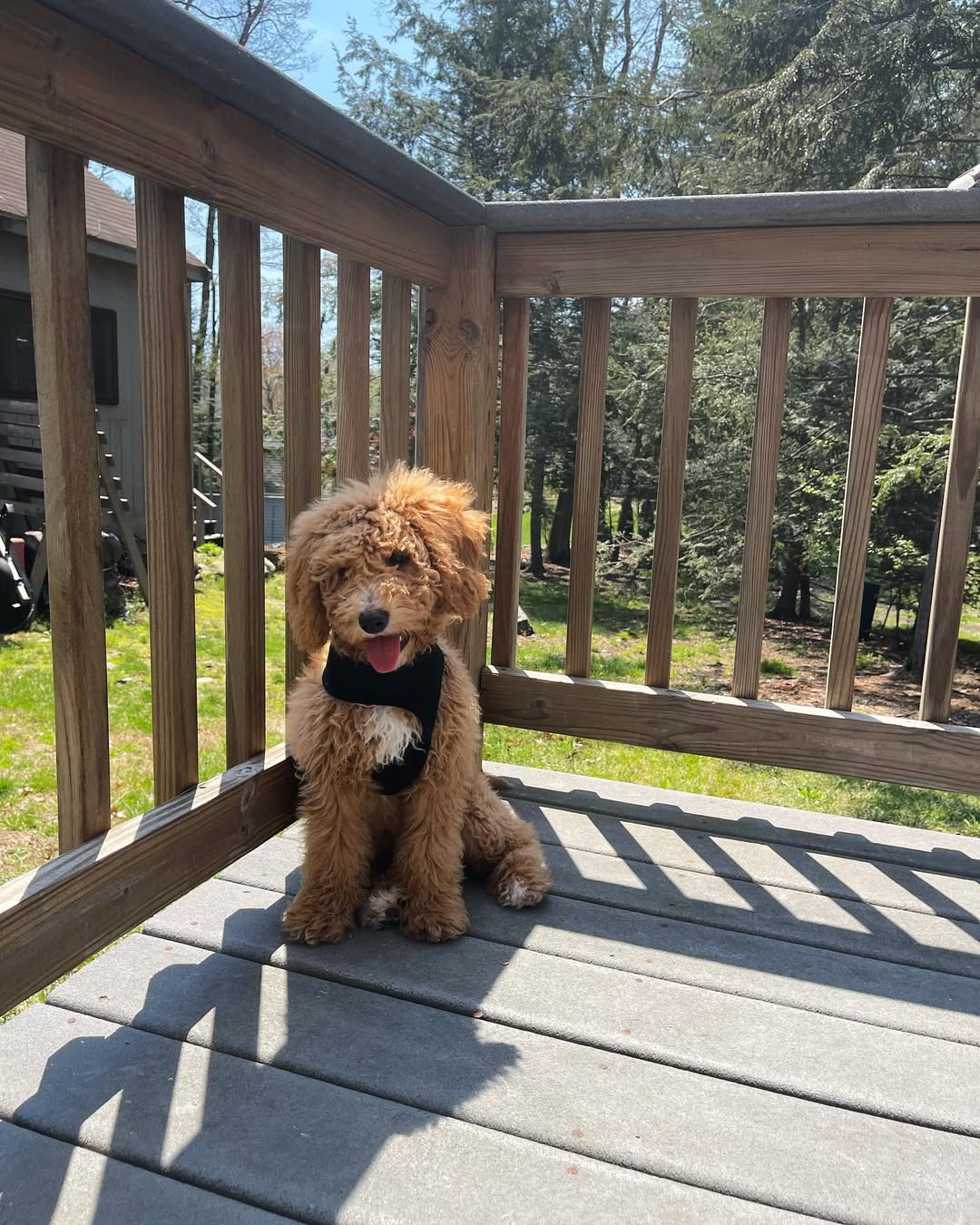
Puppies do not misbehave. They respond to stimulation, fatigue, and confusion. I noticed this early on while watching young dogs in busy households. The loudest puppies were rarely the most confident ones. They were usually the most exhausted.
This stage sets patterns that last for years. Sleep habits, handling comfort, and early exposure shape how dogs cope with stress later in life.
Daily Routines That Create Calm
Puppies need far more sleep than many owners expect. When rest is missed, the signs look like behavior problems. Nipping increases. Zooming spikes. Focus disappears. The fix is often simpler than people think.
After meals, allow short play, then guide the puppy into rest. A crate, pen, or quiet corner works well, even in small apartments. The goal is predictable downtime, not isolation.
Consistency matters more than rigid schedules. Feeding at similar times, using the same bathroom cues, and repeating the same wind-down routine help puppies relax because they know what comes next.
If your puppy struggles to settle, the first question should be, “When was the last real nap?”
Socialization Without Overload
Early exposure shapes adult confidence, but more exposure is not always better. The American Veterinary Society of Animal Behavior explains that the safest socialization window occurs during the first three months of life. Controlled, positive exposure to people, surfaces, sounds, and calm dogs lowers fear responses later on.
This does not mean dragging puppies into crowded places daily. It means brief, positive moments that end before stress shows up. One new experience per day is often enough. Watch body language. When tension appears, that session is done.
Confidence grows from safety, not pressure.
Health Basics New Owners Miss
Vaccines and parasite prevention protect more than the puppy. They protect everyone sharing the space. The Centers for Disease Control and Prevention explains how rabies vaccination protects pets and people, especially in shared environments and communities.
One habit that saves stress later is simple record keeping. Write down vaccine dates, parasite prevention schedules, and vet visits. When questions come up months later, memory often fails. Paper does not.
As puppies grow, their needs shift again. Energy rises. Boundaries get tested. That is where the next stage begins.
Adolescence: The Phase That Tests Patience
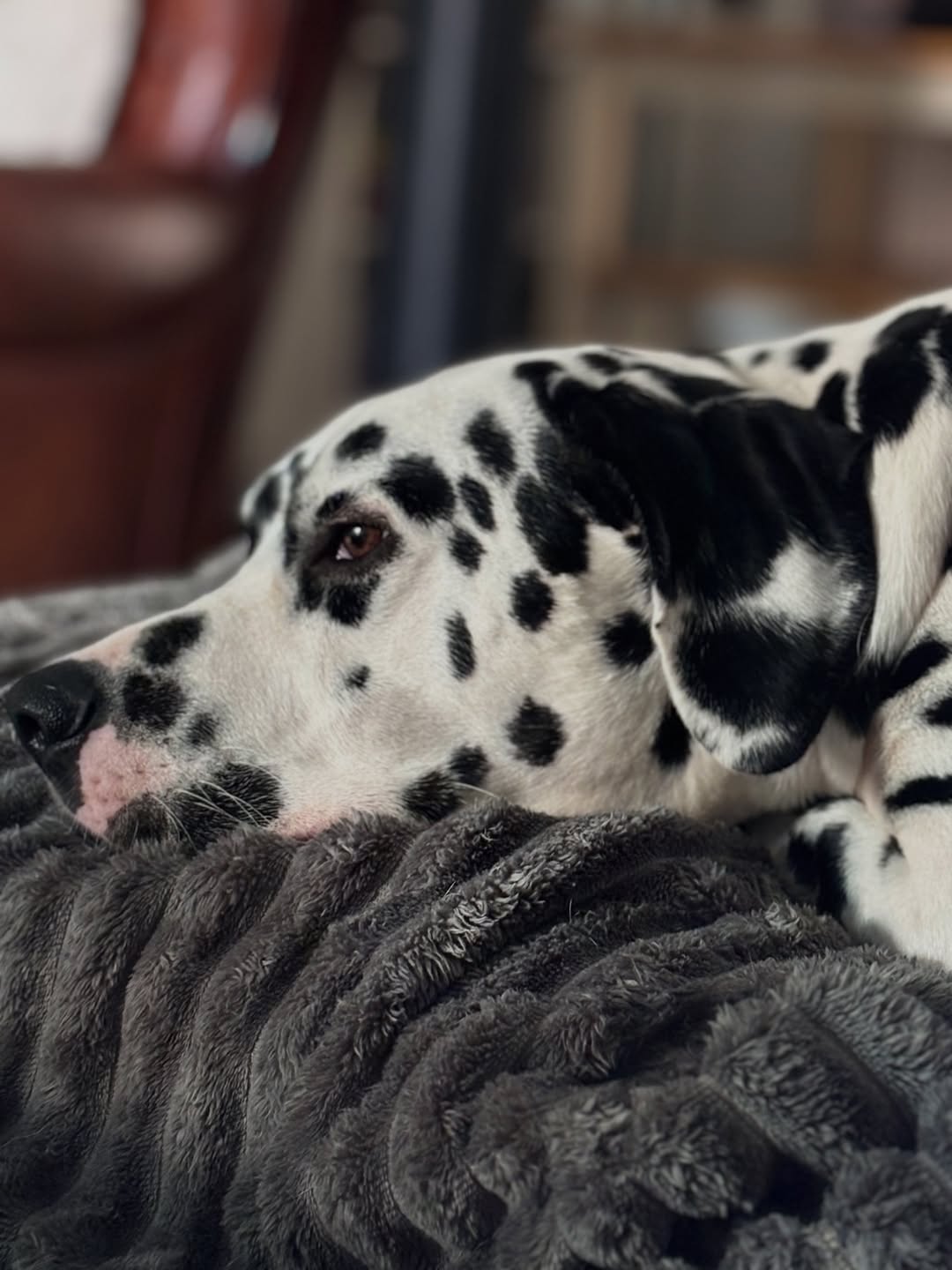
Adolescence can feel like your dog forgot everything they learned as a puppy. I have seen owners question their training, their routines, and even their bond during this phase. In most cases, biology is doing the heavy lifting, not bad habits.
During adolescence, impulse control drops. Curiosity rises. Energy surges. Dogs become more aware of their environment while still lacking the ability to regulate their responses. This gap explains the sudden pulling, selective hearing, and risk-taking behavior that frustrates so many owners.
Understanding this stage prevents overreaction. It also prevents damage that takes years to undo.
Why Training Feels Harder During Adolescence
Adolescent dogs test boundaries because their brains are still developing. This is not defiance. It is experimentation. Calm repetition works better than strict corrections because learning is still in progress.
Short training sessions matter more than long ones here. Five focused minutes often beats twenty distracted ones. When owners stay predictable, dogs regain reliability over time. When owners change rules daily, confusion sets in.
If your dog listens well indoors but struggles outside, that is normal for this stage. New environments carry more information than young brains can process at once.
Managing Energy Without Creating Burnout
Many owners respond to adolescent energy by adding more exercise. That often backfires. Physical exhaustion without mental engagement creates dogs that are tired but wired.
Mental work settles dogs more effectively during this phase. Puzzle feeders, scent games, scatter feeding, and short skill refreshers give the brain a job. These tools work even in small apartments and busy households.
Watch recovery time. If your dog struggles to settle after activity, energy output may be too high. Rest days matter here. Calm is a skill, not a side effect.
Preventing Common Behavior Pitfalls
Chewing, leash pulling, and selective hearing often peak during adolescence. These behaviors fade faster when routines stay steady. Clear expectations help dogs learn what stays consistent even as impulses fluctuate.
Avoid frequent rule changes. Avoid harsh reactions to backslides. Both increase stress and slow learning.
If something suddenly worsens, step back and assess sleep, stimulation, and routine before assuming a training failure.
Handled well, adolescence builds resilience. It teaches dogs how to recover from mistakes and regulate excitement. Those skills carry directly into adulthood.
Let’s move into that next stage.
Adulthood: Maintaining Balance, Not Just Health
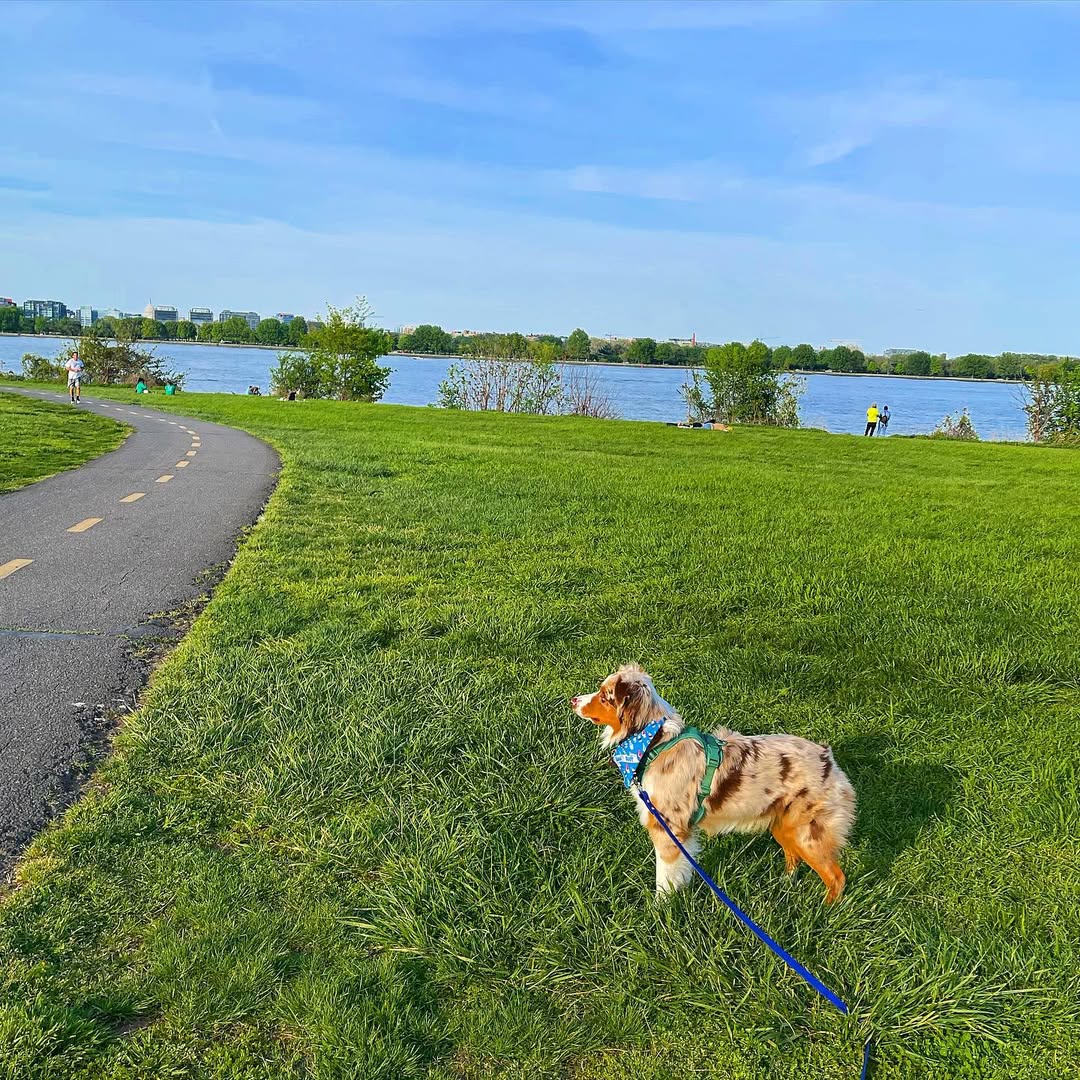
Adult dogs thrive on stability, and this is where small habits shape long outcomes. In puppyhood, you are building the basics. In adolescence, you are surviving the curveballs. In adulthood, you finally get to live with the dog you have been working toward.
This stage can also fool owners. Many dogs look “fine” for years, even when weight, stress, or joint strain is slowly building. The goal here is not perfection. It is keeping your dog steady and comfortable while life stays busy.
Here is why this stage matters. Adult dogs can hold on to small problems quietly, then show them all at once later. A few simple checks each month keeps you ahead of that.
Feeding for Stability
Portion creep is one of the easiest ways to shorten a dog’s healthy years without noticing. It is rarely one big change. It is the extra scoop when you are in a rush. The bigger handful of kibble because your dog looked “hungry.” The treats that start as training rewards and turn into habit.
A practical way to stay on track is to stop relying on the bowl as your main measure. Build a two-part routine instead.
First, do a quick weekly check. Look at your dog from above and from the side. You are not judging. You are noticing. If the waist is fading, portions need a small correction.
Second, do a monthly hands-on check. Run your fingers along the ribs. You should be able to feel them with light pressure, not hunt for them. This is the same idea behind the WSAVA Body Condition Score chart.
One more tip that works in real life. Treats count. If treats are part of your day, reduce the meal portion a little. That small swap keeps weight steady without making you feel like you are “dieting” your dog.
If your dog begs, do not assume hunger first. Many adult dogs beg because it works, or because they are bored.
Next, food choices only matter if the body can move well.
Exercise That Protects the Body
Exercise should support joints and muscles, not wear them down. Adult dogs need movement, but they also need recovery. That is where many owners slip, especially with high-energy breeds.
A simple guide is to aim for variety instead of intensity. Mix walks, play, and low-impact movement. Make room for rest days. Rest is not laziness. It is how the body repairs.
Pay attention to small signs. A dog that hesitates to jump into the car, lags behind on walks, or slows down on stairs is giving you information. If limping or stiffness appears, the first step is not “push through.” The first step is to pause and adjust.
Here is a change that helps quickly. Shorter, more frequent walks often beat one long walk. It supports fitness without stressing joints.
If you live in a small space, you can still keep movement steady. Hallway leash walks, slow sniff sessions outside, and short play bursts add up. You are building consistency, not chasing exhaustion.
Once the body feels good, mental balance becomes the next lever.
Mental Health in Adult Dogs
Adult dogs still need novelty. Without it, boredom can show up as restlessness, barking, chewing, or clingy behavior. Many owners label this as anxiety right away. Sometimes it is stress. Sometimes it is simply a dog with no job to do.
You do not need complex routines. You need repeatable habits that fit a normal day.
Try a five-minute “brain break” once or twice daily. Hide a few pieces of kibble around one room and let your dog search. Teach one small cue and reward it. Rotate two toys instead of leaving ten on the floor. These tiny changes keep the brain engaged without adding time pressure.
Predictable quiet time matters too. Many adult dogs never learn how to settle because the home is always stimulating. A consistent wind-down routine at night helps. Dim lights. Calm voice. Same spot. Same pattern. Dogs relax faster when they can predict rest.
When feeding, movement, and mental routine are steady, preventive care becomes easier because you notice changes quickly.
Preventive care keeps adult dogs comfortable, and it sets you up for smoother senior years.
Preventive Care That Reduces Stress Later
Preventive care is not about hunting for problems. It is about noticing small changes before they turn into daily struggles. Dogs rarely wake up one day with a major issue. Most changes build quietly while life stays busy.
This stage of care saves time, money, and emotional strain. It also gives owners confidence because they stop guessing what is normal and what is not.
Here is how to make preventive care work in real life.
Vet Visits That Actually Help
Annual exams matter, but how you use them matters more. These visits catch weight shifts, dental disease, early joint strain, and changes in heart or skin health that owners often miss at home.
One simple habit improves outcomes fast. Ask your vet to show you what they are checking. Watch how they feel joints. Notice how they lift the lips to examine teeth and gums. Ask what early discomfort looks like in your dog’s body type and age.
This turns vet visits into learning sessions, not just appointments. When you know what normal feels like, you notice changes sooner between visits.
If something feels off at home but seems small, write it down. Patterns matter more than single moments.
Dental Care Beyond Brushing
Dental disease affects more than the mouth. Plaque buildup can progress into periodontal disease and strain the body over time. The American Veterinary Medical Association explains how untreated dental issues can impact overall health in its pet dental care overview.
Many owners delay dental care because brushing feels hard or unrealistic. Start smaller. Lift the lips and look at the gums once a week. Smell matters. Sudden odor changes often show up before visible damage.
If brushing feels like too much, aim for consistency over frequency. A few calm sessions each week help more than occasional intense efforts. Dental chews, when approved by your vet, can support daily care but should not replace mouth checks.
A dog that avoids chewing, drops food, or paws at the mouth is not being picky. That behavior deserves attention.
Weight Monitoring Before It Becomes a Problem
Weight gain rarely announces itself. Fur hides it. Angles change slowly. Photos from a year ago tell the story better than memory.
Instead of focusing on the scale, focus on trends. A quick monthly hands-on check helps. Feel along the ribs. Look at the waist from above. Notice how your dog moves at the start and end of walks.
Extra weight shortens comfort long before it shortens lifespan. When weight stays steady, joints last longer and movement stays easier as dogs age.
Preventive care works best when it blends into normal routines, not when it feels like extra work.
When these habits are in place, aging feels less sudden. You are already watching the right things. That makes the transition into senior care calmer for both of you.
Now aging enters the picture.
Senior Years: Comfort Comes First
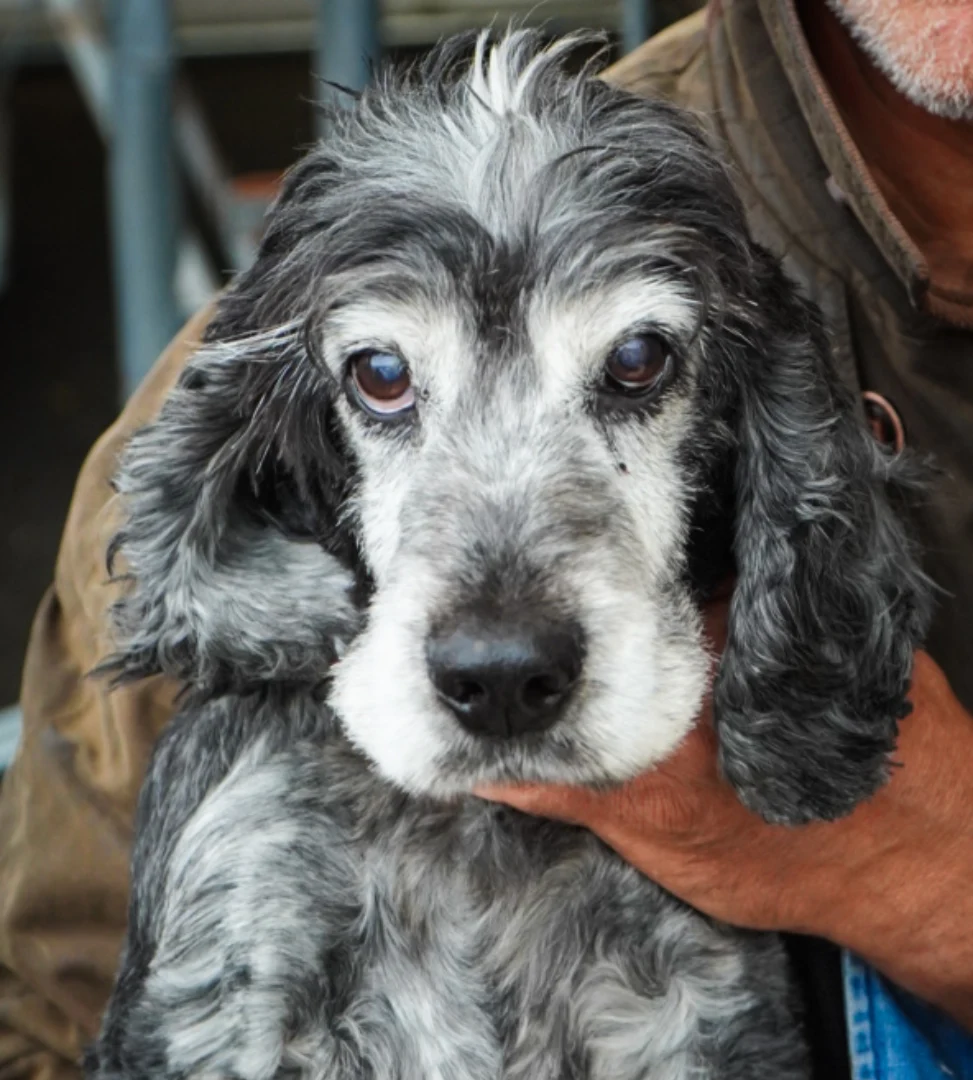
Aging rarely arrives all at once. It shows up quietly. Movement slows a little. Sleep stretches longer. Mood shifts appear in ways that are easy to miss if life stays busy.
I have watched many owners assume these changes were “just age” until discomfort became harder to ignore. Senior care works best when it focuses on comfort early, not correction later.
At this stage, quality of life matters more than keeping routines unchanged.
Recognizing Discomfort Early
Dogs hide pain well. Many continue eating, greeting, and wagging even while feeling uncomfortable. The Colorado State University Veterinary Teaching Hospital outlines observable signs of discomfort through posture, movement, and response to touch in its canine pain scale.
You do not need to score your dog daily. You need to notice patterns. Watch how your dog rises from rest. Notice hesitation on stairs or slower turns. Pay attention to changes in sleep position or reluctance to move after rest.
One habit that helps is observing transitions instead of activity. How your dog gets up often reveals more than how they walk once moving.
When changes last more than a few days, write them down. Clear notes help vet conversations stay focused and useful.
Adjusting the Home for Independence
Simple home changes protect comfort and confidence. Senior dogs want to move on their own terms. When the environment supports them, they stay engaged longer.
Non-slip rugs reduce fear of falling, especially on tile or hardwood floors. Orthopedic bedding cushions joints and improves sleep quality. Raised bowls ease strain on the neck and shoulders during meals. These changes matter even in small apartments.
Lighting helps too. A dim hallway can feel confusing to an aging dog. Soft night lighting reduces hesitation and pacing.
These adjustments are not about spoiling. They are about preserving dignity.
Nutrition in Later Years
Senior nutrition is about support, not constant change. Protein helps maintain muscle. Joint support can ease daily movement. Appetite and digestion often shift with age, which means watching responses matters more than chasing trends.
The UC Davis School of Veterinary Medicine discusses senior pet care and quality-of-life support. Any supplement plan should begin with a vet conversation. More is not better. Stability and observation protect seniors far more than frequent changes.
If your dog eats well, maintains weight, and moves comfortably, that routine is working.
This stage is about listening closely.
Caring for the Dog You Have Today
Good dog care stays flexible. It adapts without guilt. The goal is not doing everything or doing it perfectly. The goal is meeting your dog where they are right now.
A simple habit helps across all ages. Revisit routines once each season. Notice small shifts in energy, appetite, movement, or mood. Adjust early instead of waiting for problems to announce themselves.
Dogs give us their whole lives, start to finish. When care changes with them, those years feel calmer, steadier, and more connected.
That is what lasting care looks like.
If you’re working through specific challenges right now, these guides can help you focus on what matters most for your dog:
How to Balance Physical and Mental Care for Pets
Daily Care Habits That Help Pets Live Longer, Healthier Lives


