
The Real Puppy Training Timeline by Age (What to Expect Month by Month)
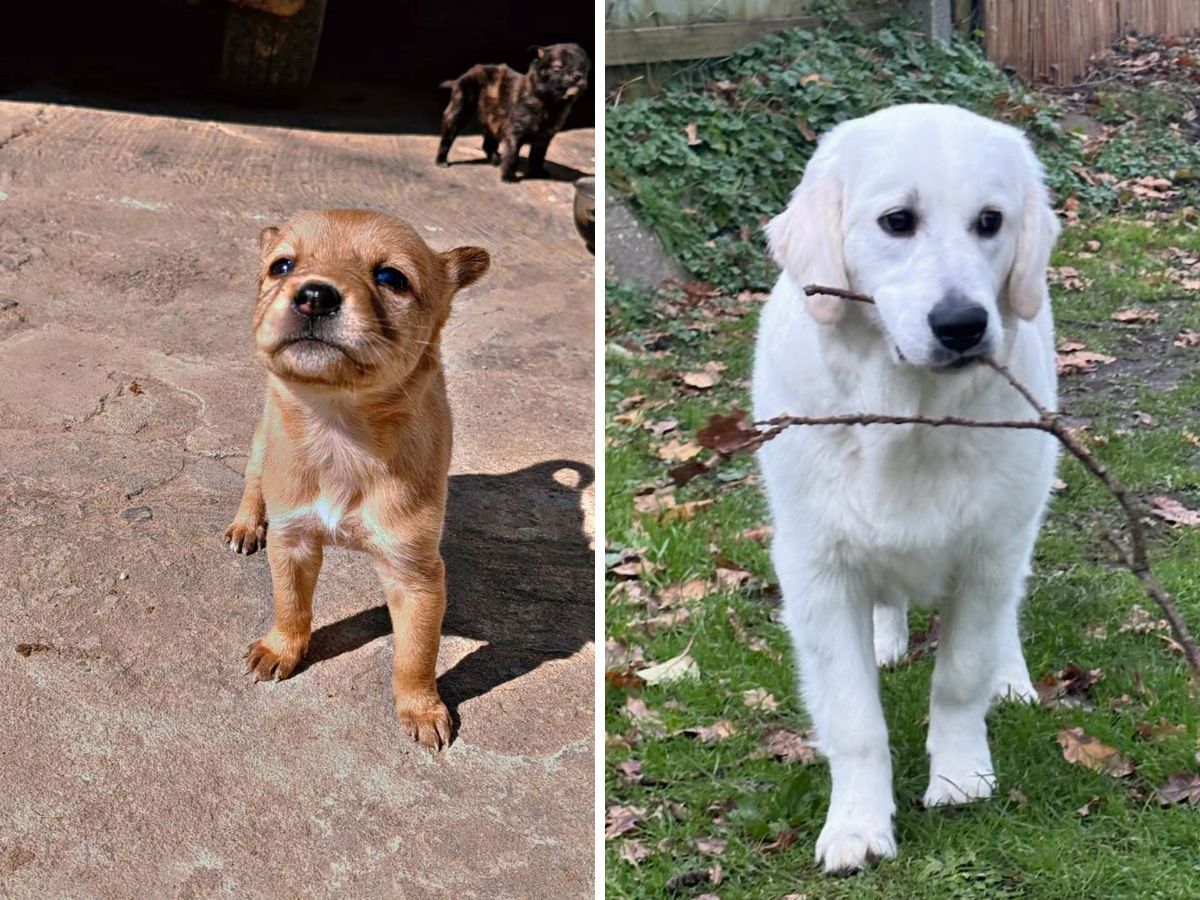
When I brought home my first puppy, I thought training would feel gradual and orderly. Learn a cue. Practice it. Improve. Move on.
That is not what happened.
Some weeks felt smooth. Others felt like everything unraveled overnight, often on busy days when I had the least patience to spare. I kept wondering if I was missing something obvious or pushing too hard.
What finally helped was understanding that puppy training does not move in a straight line. It moves in waves, shaped by development, curiosity, confidence, and rest.
Once I stopped treating setbacks as failure and started paying attention to age and stage, training felt less chaotic and more predictable. Progress was still uneven, but it made sense.
Here is why age matters more than any single command, what to expect month by month, and how to work with your puppy in real life instead of fighting the clock.
What Puppy Training Really Means
Training is not just obedience. It is learning how to live comfortably in a human world.
A puppy can recognize a cue and still fail to follow it. That does not mean the learning disappeared. It means focus, impulse control, and emotional balance are still developing. Those pieces grow on different timelines.
Once I stopped measuring progress by perfect responses and started watching behavior patterns, training felt calmer. Success showed up quietly. Faster recovery after excitement. Gentler mouth pressure during play. Short moments of focus where there used to be none.
If training feels inconsistent right now, that does not mean it is failing.
It means development is still unfolding.
Let’s break it down by age so the changes make sense as they happen.
8 to 10 Weeks: Absorbing the World

This stage is not about obedience. It is about exposure.
Puppies at this age are taking in everything. Sounds, textures, movement, people, dogs. Their brains are fast and open, yet easily overwhelmed.
Veterinary behavior experts explain that the earliest socialization window plays a major role in how dogs handle the world later. The American Veterinary Society of Animal Behavior outlines why positive, low-pressure experiences during the first months help reduce behavior struggles over time.
I noticed how quickly gaps showed up. A puppy who never saw umbrellas reacted strongly later. A puppy who met only calm adults struggled around children. Those reactions were not fear issues. They were missing experiences.
Action step you can use today:
Expose without pressure. Keep moments short, leave calmly, and stop before your puppy feels overwhelmed.
This stage builds comfort with the world.
Everything that comes later rests on this foundation.
10 to 12 Weeks: Curiosity With No Filter
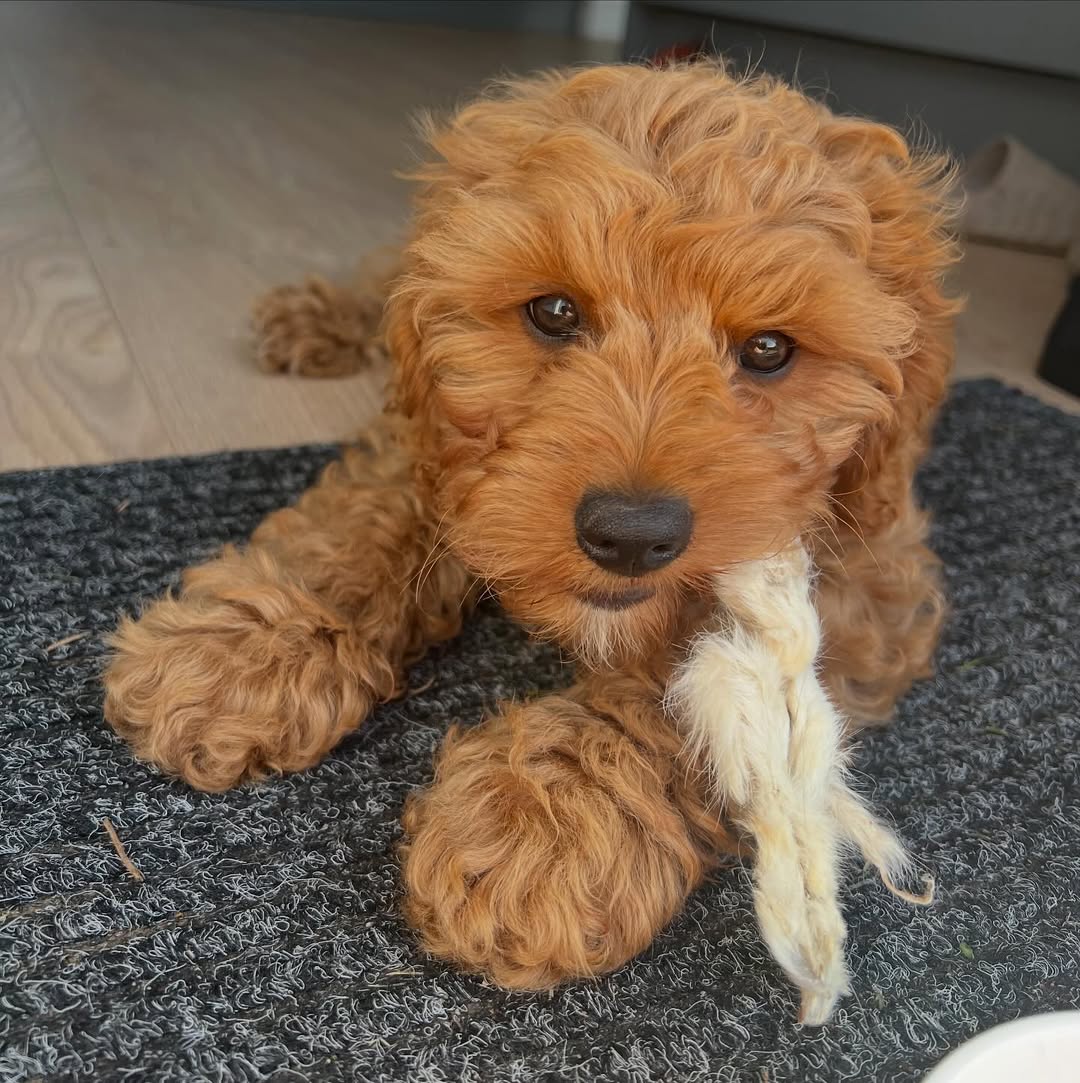
Curiosity explodes here. Focus does not.
Puppies want to interact with everything around them, yet they cannot stay regulated for long. Biting increases. Attention drops quickly. Frustration shows up with little warning.
This is not a training failure. It is a nervous system that is still learning how to settle.
Veterinary guidance from UC Davis explains that socialization during this window works best in brief, positive moments. Too much exposure or long sessions can create stress instead of comfort. Their guidance shows why short, successful experiences matter more than pushing through.
I learned this the hard way. Longer walks did not create confidence. Short walks that ended well did.
Action step you can use today:
Stop sessions early. End while your puppy is still engaged and calm.
As curiosity rises, self-control lags behind. That gap is expected.
What follows is not better behavior, but deeper learning.
3 to 4 Months: Learning Without Control
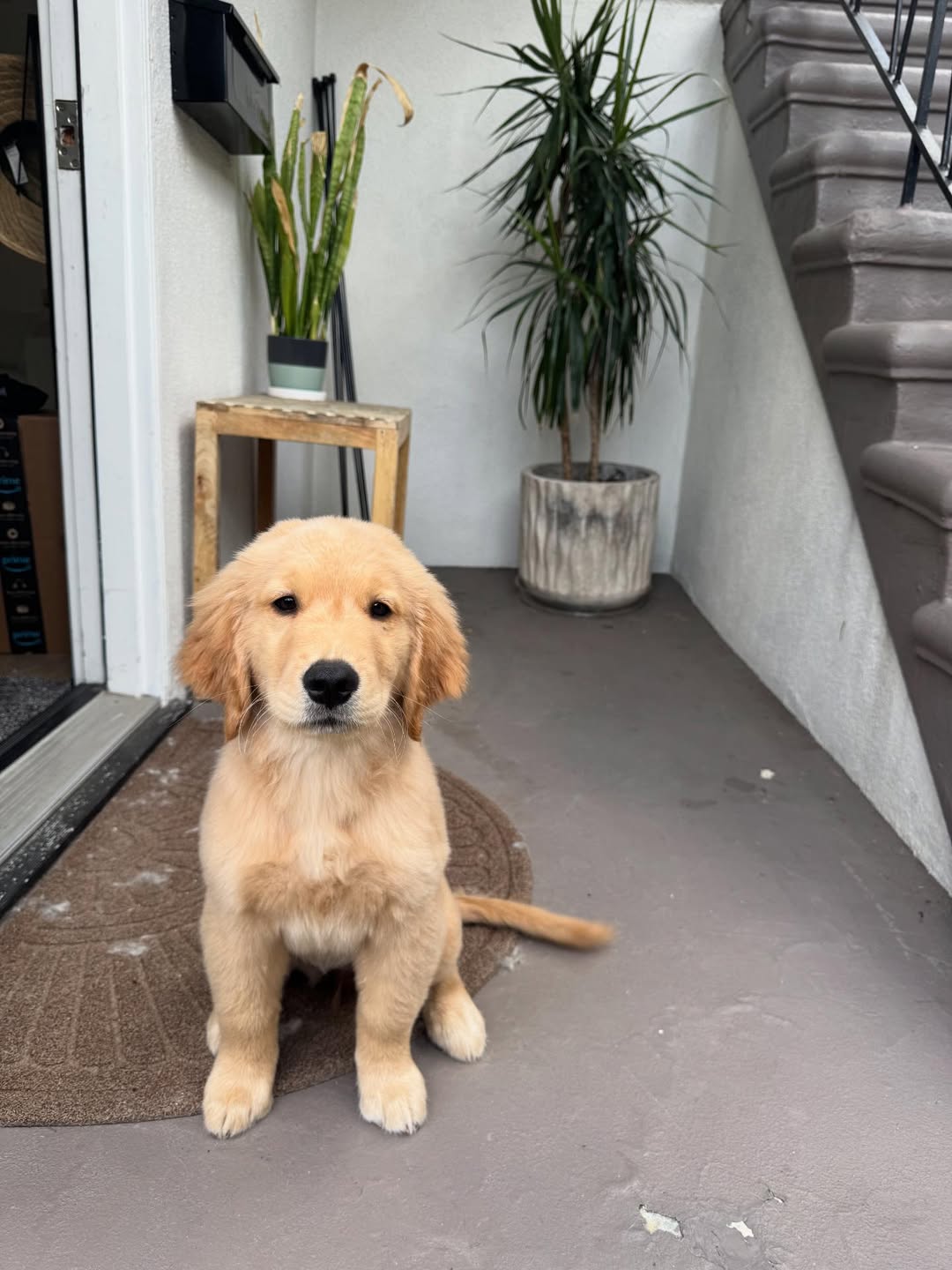
This is where training starts to look messy.
Your puppy understands more than before. They recognize cues. They respond sometimes. Then they ignore you entirely, especially when excited.
Research into canine cognitive development shows that attention and self-control improve with age, not repetition alone. Puppies can process information before they can manage impulses.
The AKC Canine Health Foundation explains how these abilities mature on different timelines.
I saw this clearly with “sit.” My puppy knew the cue, yet could not follow it when energy ran high. That was not stubbornness. It was development catching up.
Action step you can use today:
Practice skills during calm moments. Avoid testing behavior during peak excitement.
Progress feels uneven here because learning is ahead of control.
That imbalance is temporary, and it sets up what comes next.
4 to 5 Months: The Overtraining Trap
This is where many owners push too hard, often without realizing it.
Training starts to feel close to working. Sessions stretch longer. Expectations rise. Frustration creeps in when progress slows.
Veterinary life-stage guidance explains that development moves in phases rather than smooth curves. Puppies may appear capable, then pause or slip for a while. The American Animal Hospital Association outlines these shifts and explains why steady handling matters during growth periods.
I noticed a clear change when I backed off. Shorter sessions. More rest. Less repetition. Focus returned without pressure.
Action step you can use today:
Cut training sessions in half for one week. Watch attention and engagement improve.
This stage teaches an uncomfortable lesson.
More effort does not always lead to better results.
What follows looks different, but it is just as confusing.
5 to 6 Months: Confidence Without Restraint
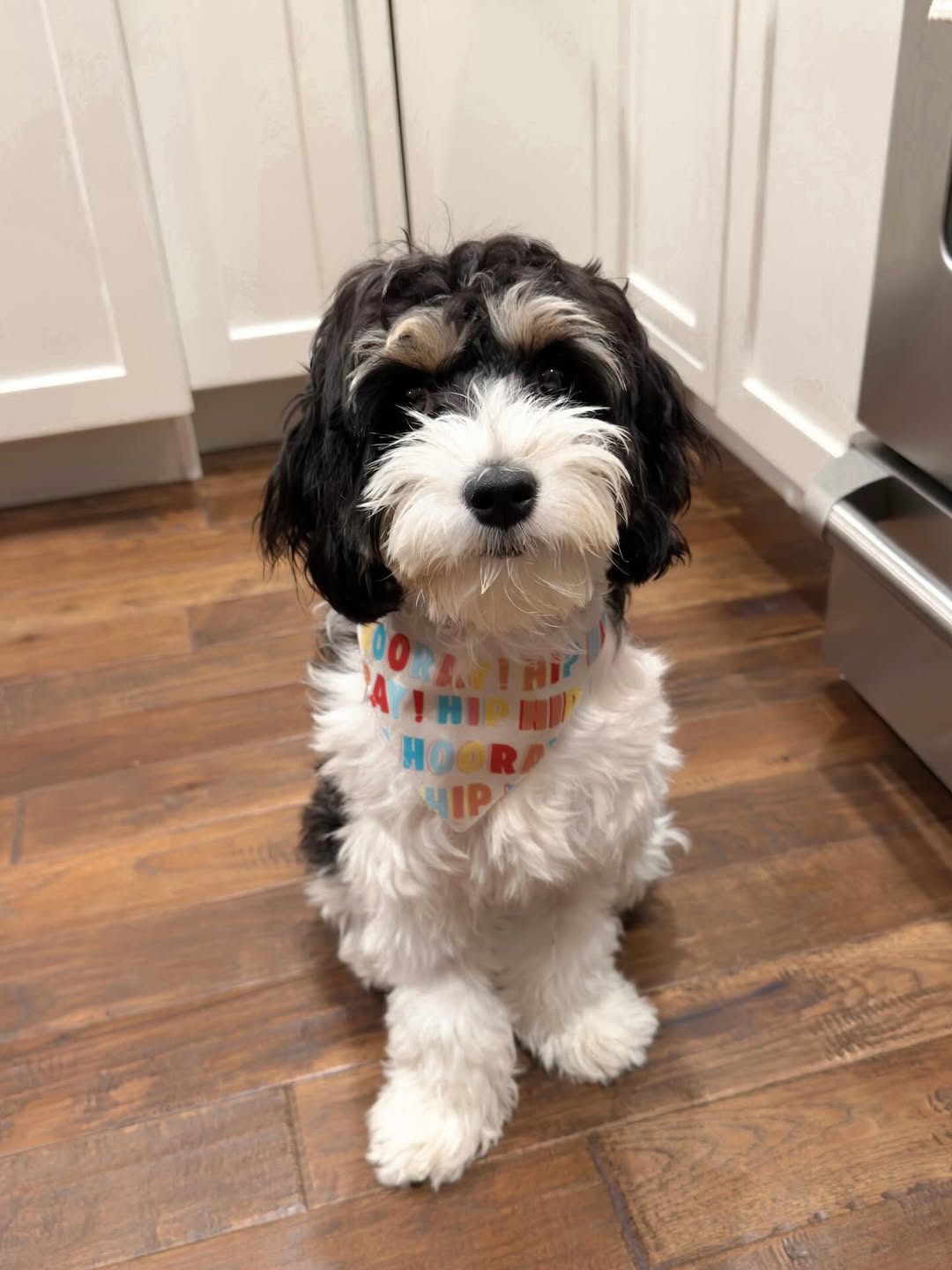
Confidence rises faster than self-control.
Puppies act bold. Leash manners fall apart. Cues disappear outdoors. Familiar skills vanish in new places.
Research on adolescent dog behavior shows that responsiveness can dip temporarily during this phase, even when learning is still present. A study published in Biology Letters describes this shift as a normal part of development rather than a training failure.
I noticed obedience stayed solid indoors while outdoor focus disappeared. That contrast felt frustrating until I understood it was expected at this age.
Action step you can use today:
Lower expectations in distracting spaces. Reinforce basics where your puppy can succeed instead of testing limits.
This phase does not test your skill as a trainer.
It tests patience and expectations.
What comes next is challenging for a different reason.
6 to 9 Months: The Adolescent Gap
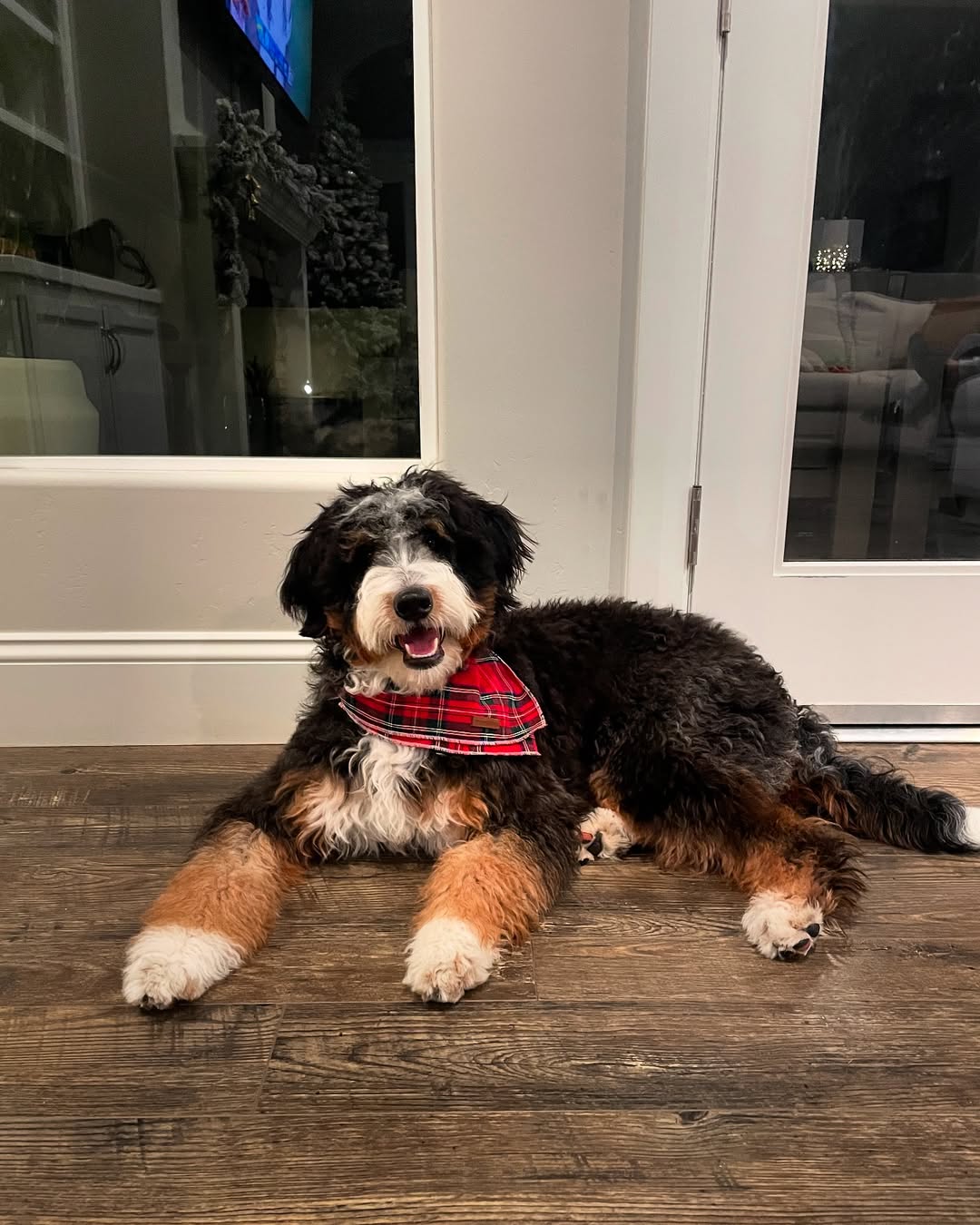
This stage often feels personal.
It isn’t.
Dogs at this age are physically capable yet mentally unfinished. Public behavior falls apart. Familiar cues fail around distractions. Walks feel harder than they did weeks earlier.
Researchers studying teenage dogs describe this phase as temporary, with behavior settling as development continues. Newcastle University explains that this stage can strain training and that harsh responses tend to worsen outcomes rather than speed progress.
What helped me most was staying steady without pushing harder. Calm repetition. Clear limits. Fewer words. Training improved when pressure dropped.
Action step you can use today:
Focus on routines, not results. Keep daily structure predictable even when behavior feels shaky.
This phase passes.
The habits you practice now stay.
What follows feels quieter, but it matters.
9 to 12 Months: Reliability Begins to Form

Training starts to feel different here.
Focus lasts longer. Recovery after excitement improves. Cues begin working in more places, not just familiar ones. Daily life starts to feel manageable again.
This does not mean training is finished. It means the foundation is finally holding under real-world conditions.
I noticed small wins adding up. Short walks without pulling. Brief pauses before reacting. Moments of choice where chaos used to show up.
Action step you can use today:
Increase difficulty slowly. Change one thing at a time and give it a few days before adding more.
Consistency now supports long-term behavior.
This is where steady habits begin to pay off.
When Training Plateaus Are Normal
Plateaus worry people.
They are also common.
Learning does not stop during these pauses. Development often needs time to catch up. Progress resumes when the brain and body align again.
I noticed that pushing harder during these moments made things worse. Stepping back brought focus back faster.
If frustration rises, pause and reassess rather than adding more drills. Waiting is sometimes the most productive move.
This pause often signals the next shift.
How Overtraining Backfires at Any Age
Too much training can create stress, even when intentions are good.
Veterinary guidance explains that repeated pressure or heavy exposure during sensitive periods can increase fear responses rather than confidence.
The Merck Veterinary Manual describes how behavior and emotional responses develop and why handling choices shape long-term outcomes.
I learned to watch body language more closely. Slower responses. Turning away. Avoiding eye contact. Those signs mattered more than missed cues.
Action step you can use today:
Stop sessions at the first signs of fatigue. End early rather than pushing through.
Rest is not lost time. It is part of training.
Adjusting Your Plan Without Starting Over
One difficult week does not erase months of work.
I saw the best results from small resets. Shorter sessions. Clear routines. Lower expectations for a few days.
Training does not collapse under pressure.
It flexes, then settles again.
That flexibility is what carries you through the long stretch.
The Takeaway Most Puppy Owners Need Earlier
Puppy training does not move forward in a straight line.
Dogs learn in bursts, pause, then move ahead again. Confidence often shows up before control. Focus improves after frustration.
If your puppy is curious, engaged, and slowly settling into routines, you are on track. Stay steady. Time and age do more work than force ever could.
Also read:
How Long House Training Really Takes (A Realistic Timeline by Age)


