
At 38 Weeks Pregnant, She Stopped for a Tiny Kitten Who Needed Help
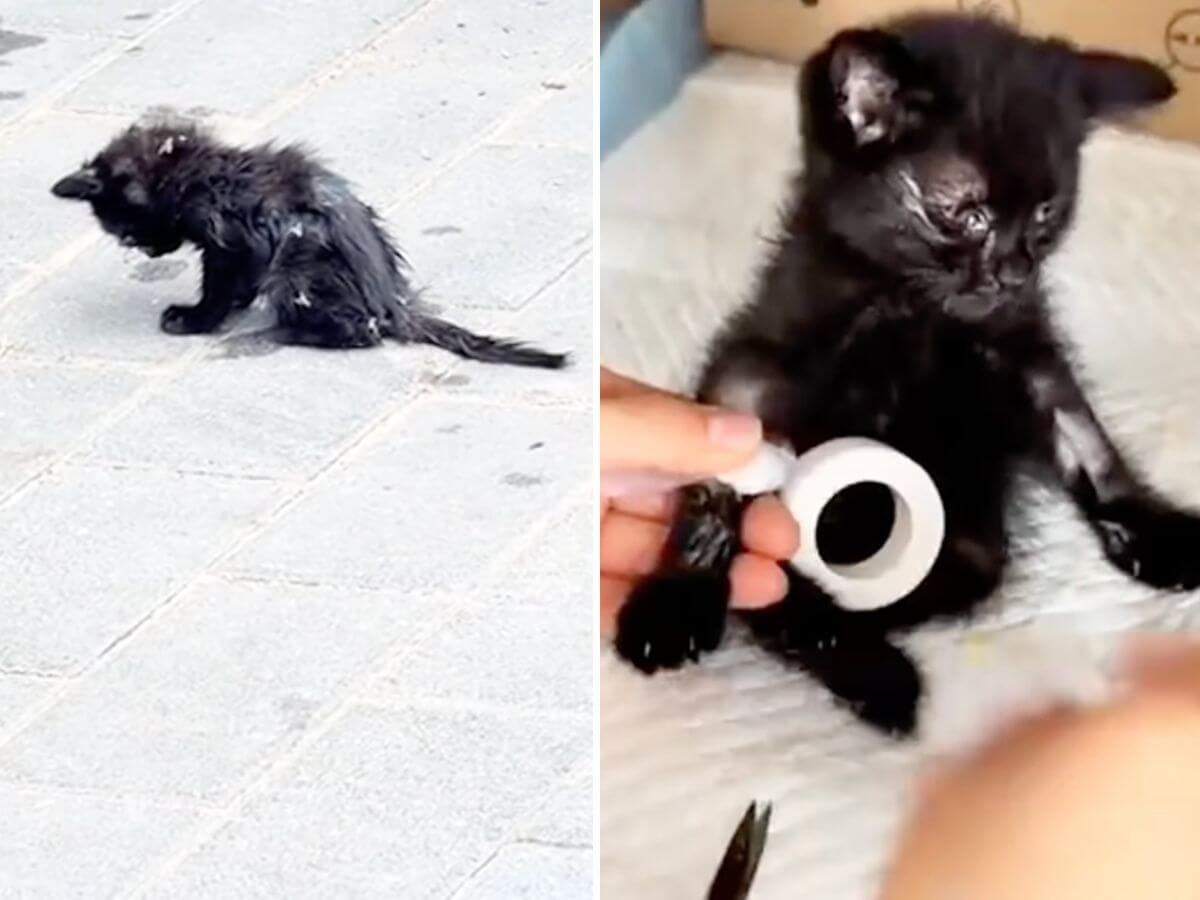
She was leaving a hospital when she noticed a tiny black kitten beside the road. He was about the size of her palm, thin, dirty, and too weak to get himself somewhere safe.
An elderly sanitation worker nearby had seen him crawl out of the bushes several times. Now someone had stopped to help.
The woman was 38 weeks pregnant. Soon, she would be welcoming her own baby, but first she helped carry this little one to a veterinary clinic.
A Cardboard Box Got Him Off the Road
The woman’s account was shared in a video published by Animal Love Shelter on YouTube. It follows the kitten from the roadside through veterinary treatment and into a new home.
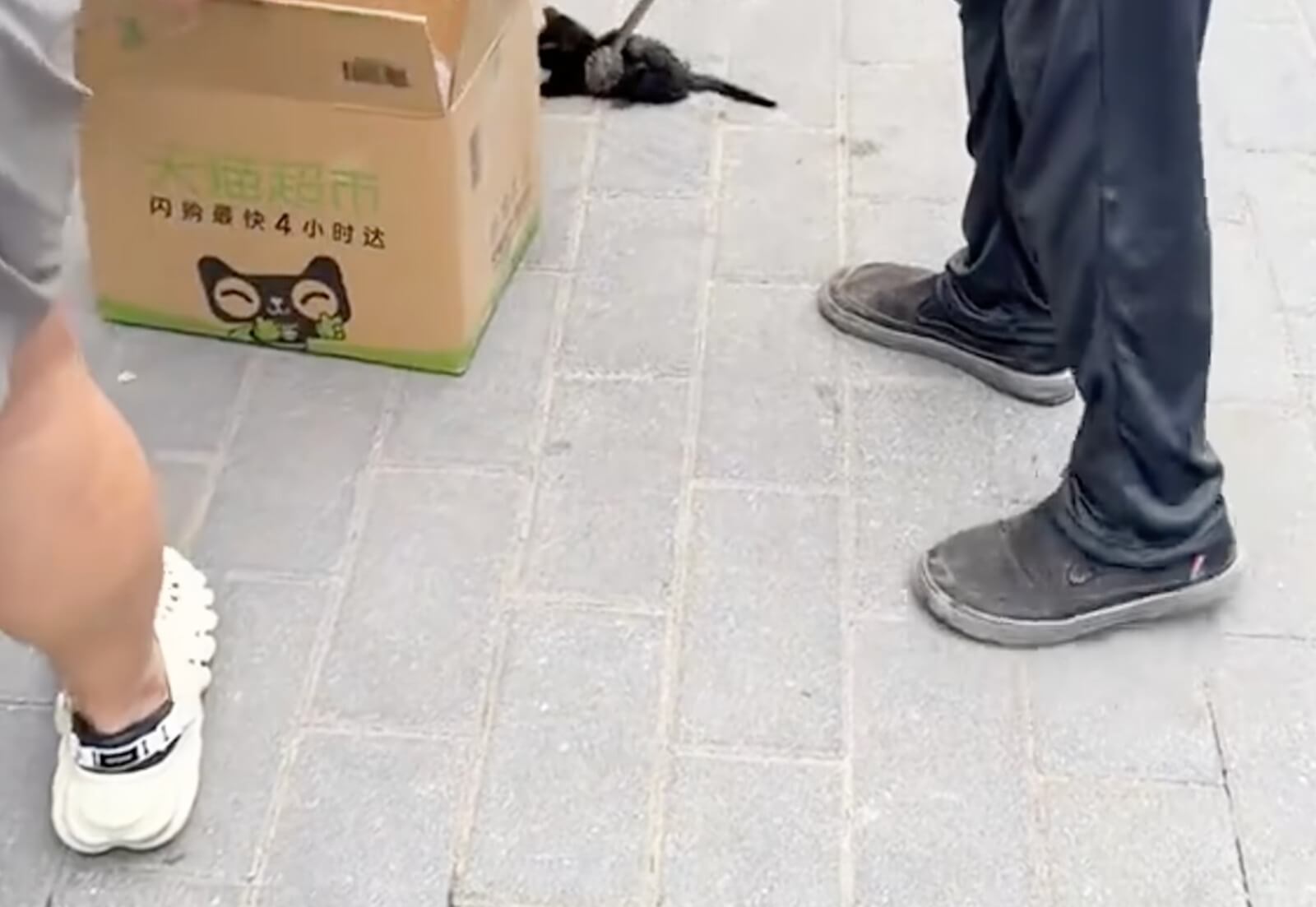
When the sanitation worker learned she intended to rescue him, he found a cardboard box. Together, they carefully placed the kitten inside.
She took him straight to a veterinary clinic, where the examination revealed more than his small size could explain. He had an eye infection and wounds on his hind legs that needed immediate attention.
Staff cleaned and treated him, then dried his fur. His breathing was labored, and the narrator described watching the faint movement of his belly.
For anyone who finds a kitten in a similar condition, getting veterinary advice should come before trying to manage the illness alone. Best Friends Animal Society’s kitten-care guidance states, “For any sick individual, consultation with a veterinarian is recommended.”
The woman had brought him to people who could examine him and begin treatment. She stayed to watch what happened next.
He Stood Up, but the Vet Still Had Concerns
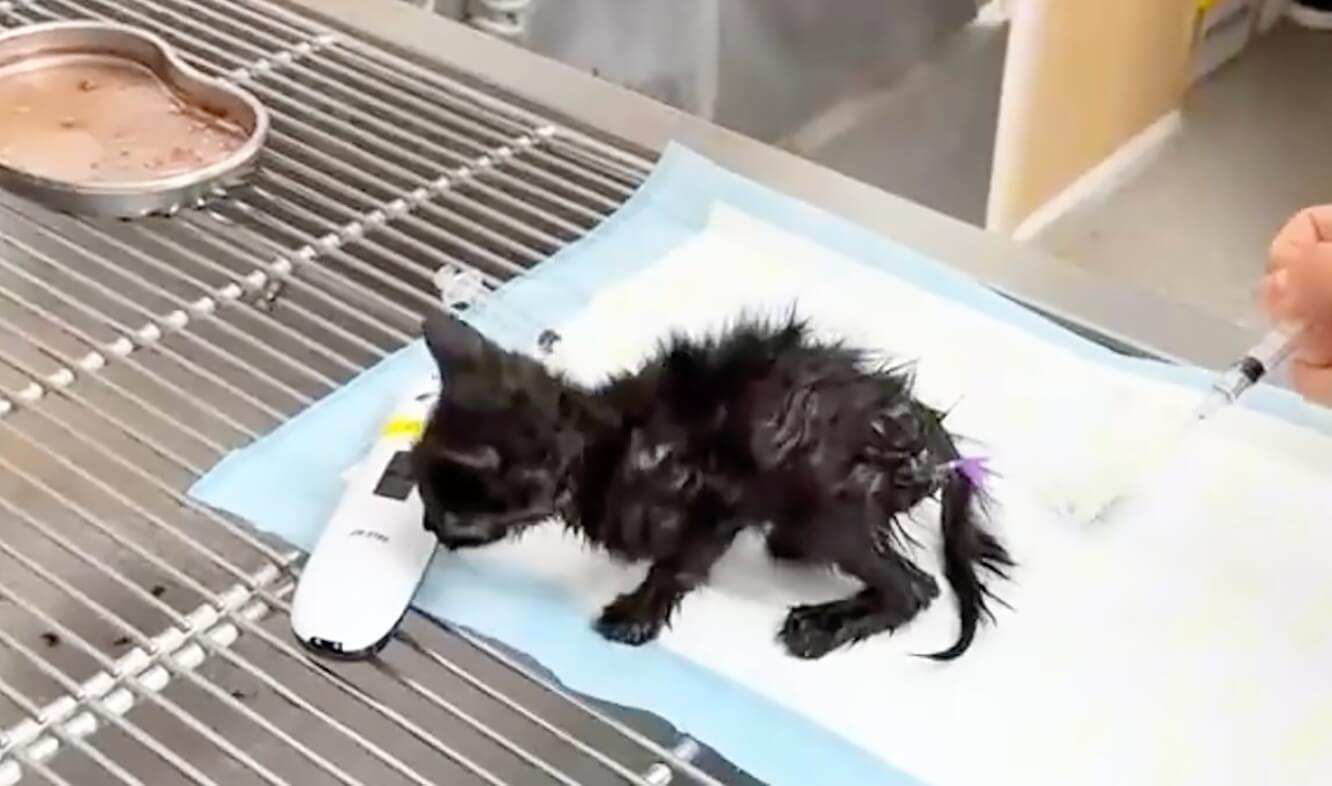
According to her account, the veterinarian gave the kitten glucose to address low blood sugar, followed by further nutritional support.
He sucked eagerly at the syringe. Seeing him make that effort brought the woman to tears.
The rescuer recalled, “Watching it fight so desperately to survive, my eyes welled up with tears.”
Then the kitten stood on shaky legs.
It was an encouraging change, but the veterinarian cautioned that low blood sugar did not explain everything. He needed further tests.
He also still would not eat on his own. A nurse patiently tried to help until the team managed to feed him a little pureed meat with a syringe.
The account describes these steps taking place at the clinic under veterinary care. If you find a weak kitten, ask a veterinarian how to handle feeding rather than copying a syringe-feeding technique from a video.
Testing Revealed Two Infections
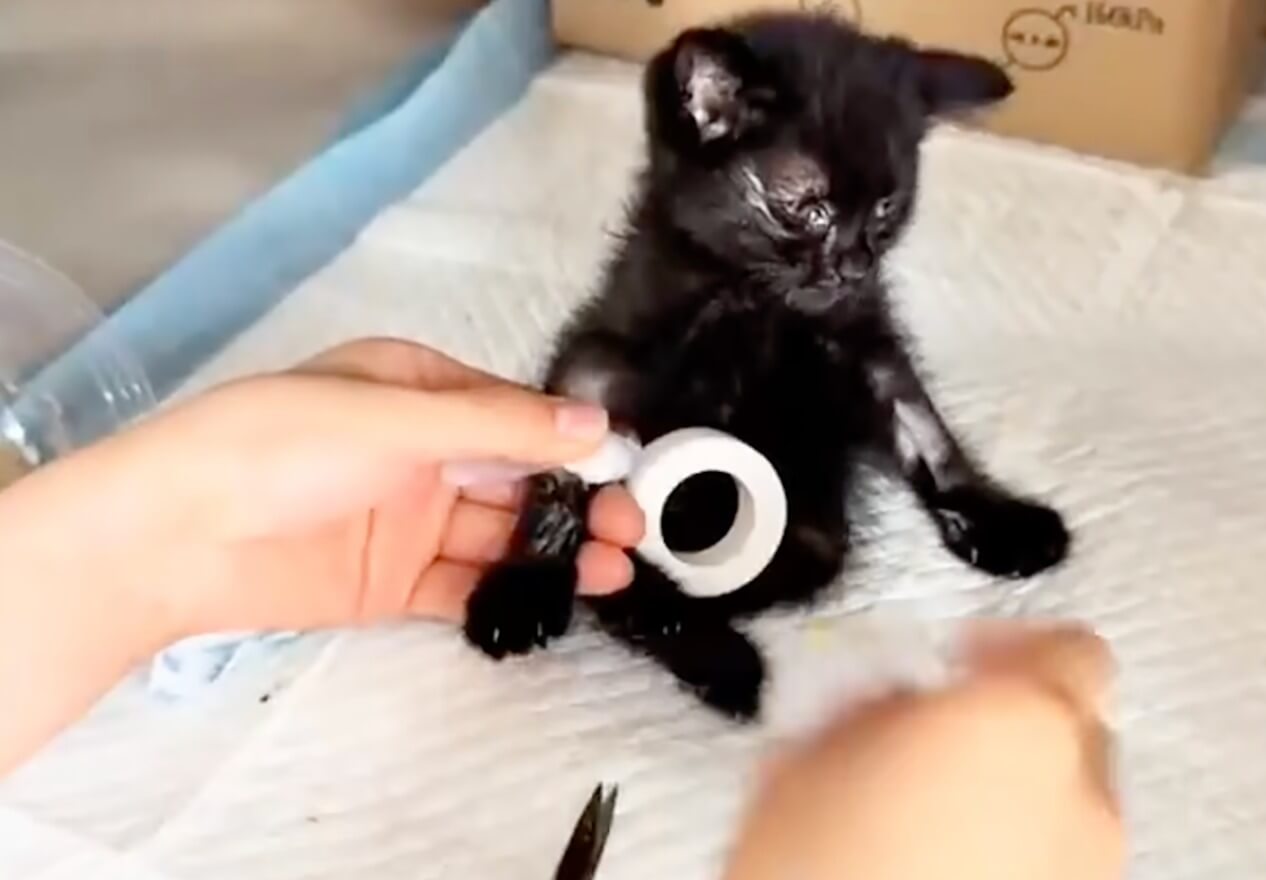
The narrator says testing identified feline distemper, also called feline Panleukopenia, as well as Calicivirus.
The kitten was only about a month old. His age made the reported diagnosis especially concerning.
In its feline Panleukopenia information, the American Veterinary Medical Association notes, “Kittens are most severely affected.”
For the woman who had carried him away from the road, standing up had offered hope. The test results showed why he still needed the clinic’s care.
She paid the remaining medical bill before leaving. His treatment continued, and over the following days, she reported that he became more energetic.
Eventually, he went to the litter box by himself.
That ordinary act was a welcome change from the kitten who had arrived barely able to move. He was beginning to manage small parts of his day without assistance.
On Her Next Visit, He Meowed to Greet Her
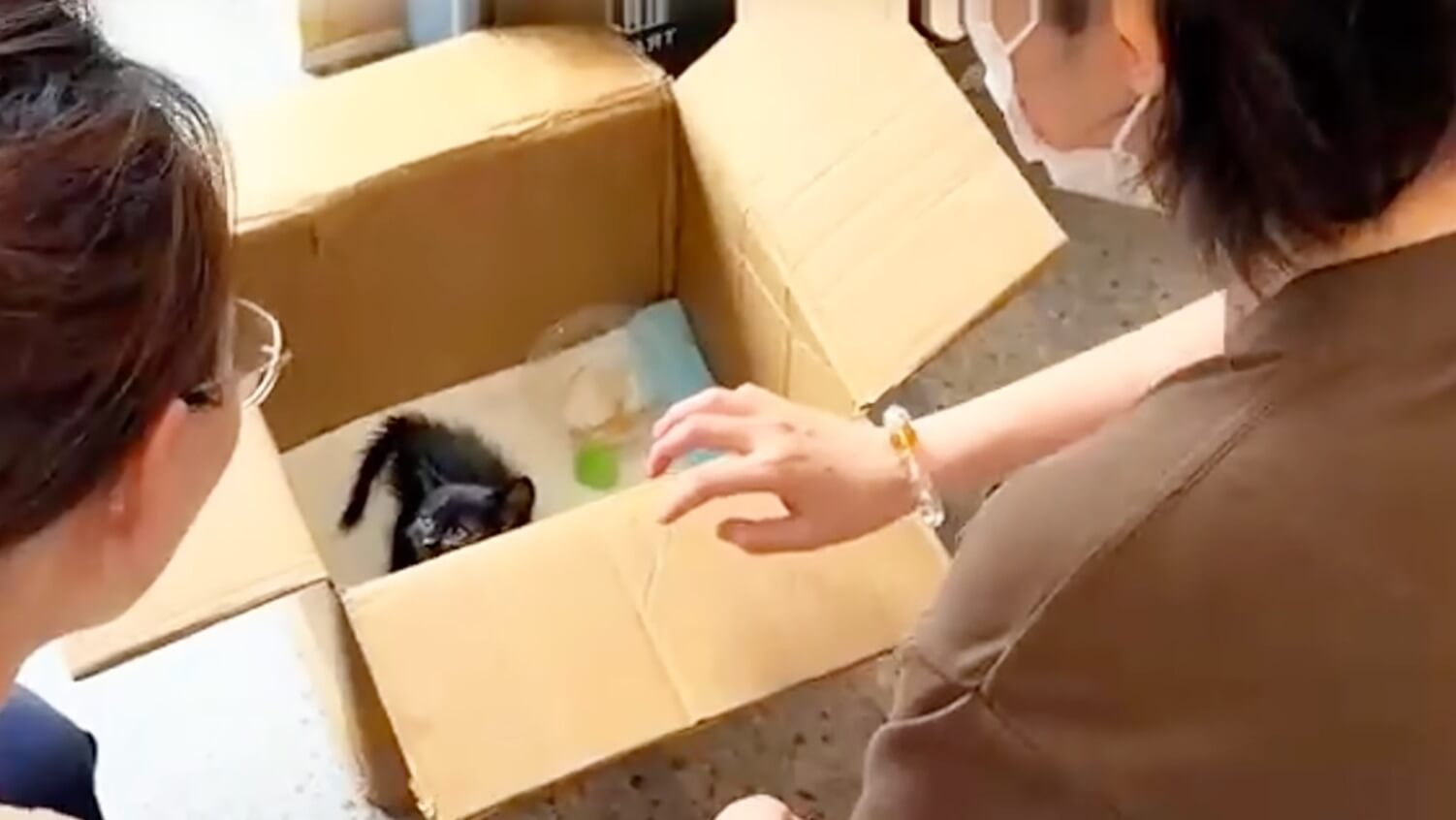
When the woman returned, the kitten was walking steadily. He meowed at her, and his appetite had begun to return.
This time, he was willing to eat on his own.
She watched him eat canned food with an enthusiasm that had been missing earlier in his stay. The little cat who had needed patient feeding was now taking an interest in his meals.
In a later update, the narrator described him as almost fully recovered after about a week. He no longer needed IV fluids, and the veterinarian removed his catheter and discharged him.
Leaving the clinic did not mean there was nothing left to do. He still needed rest, nutrition, and the medication instructions passed on by his veterinarian.
There was also a reason for his next caregiver to discuss contact with other cats. VCA Animal Hospitals explains, “Calicivirus is highly contagious and infected cats can shed the virus in saliva or secretions from the nose or eyes.”
If you welcome a kitten recovering from an infection, ask the treating veterinarian about separation from other cats and when introductions are suitable. The discharge instructions should guide that decision.
She Could Not Keep Him, So She Found Someone Who Could
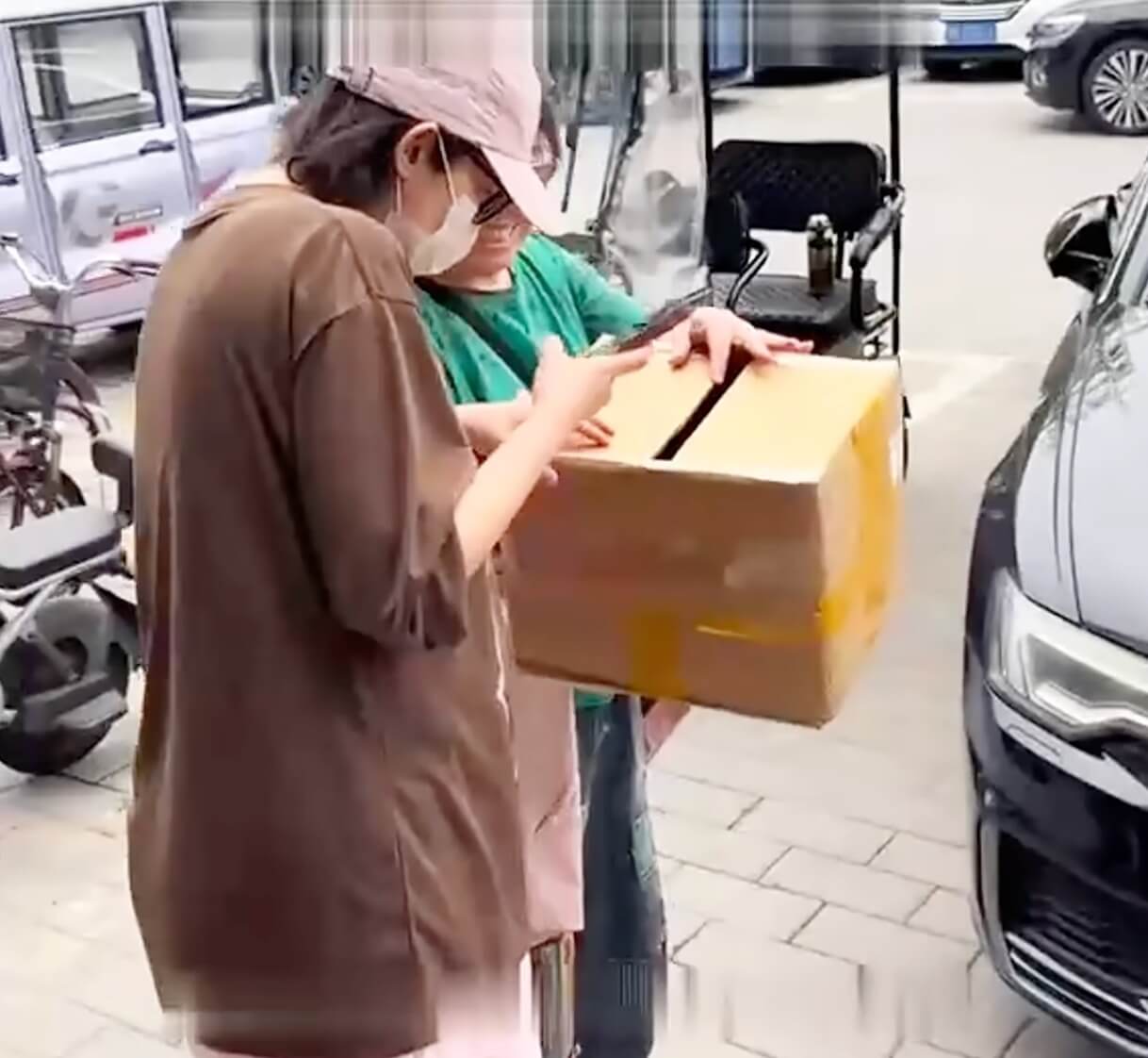
By then, the woman was close to giving birth. She explained that adopting the kitten herself was not practical with her baby due at any moment.
She had made another arrangement for him.
As the rescuer said, “But I found a warm home for this resilient little one.”
On discharge day, his new owner came with her family to collect him. Before the handover was complete, the rescuer explained the veterinarian’s medication instructions.
He was leaving with someone ready to continue his care.
For the woman who had first seen him beside the road, the change brought relief. She had watched him go from needing urgent help to walking, eating, and greeting her.
Soon she would be caring for her newborn. The kitten would be settling into a home of his own.
His Next Chapter Began With a Family
The rescue involved more than the person who stopped. A sanitation worker found a box, veterinary staff treated and fed the kitten, and a family came forward to take him home.
Each helped with a different part of what he needed.
The woman could not promise him a place in her own household. She could get him off the roadside, pay for his care, and find someone to welcome him afterward.
By discharge day, she had done all three.
Share his story to thank the people who helped him and remind someone that getting an animal to safety can be the beginning of finding them a home.
Also read:
Abby Could Barely Move When She Was Rescued. Weeks Later, She Stood on Her Own


