
Training Tips for First-Time Pet Owners: What Actually Helps in Real Homes
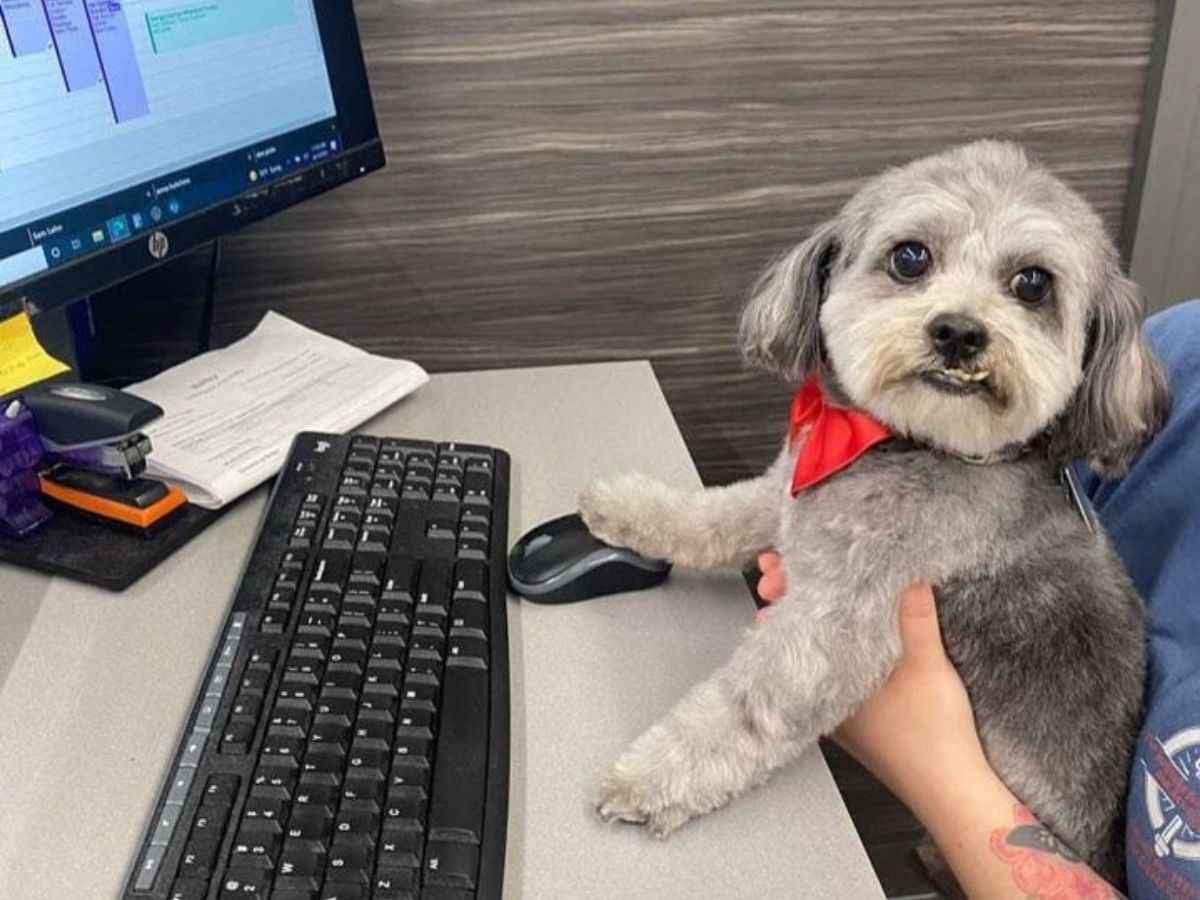
Being a first-time pet owner is a mix of excitement and quiet panic.
You want to do things right. You read advice that contradicts itself. One source says be firm. Another says be gentle. All the while, your pet is learning every day whether you feel ready or not.
I remember standing in my living room, wondering if I had already messed things up. My pet was sweet, curious, and clearly unsure what I wanted. That moment taught me something early.
Training is not about getting it perfect.
It is about helping your pet understand you in small, everyday moments.
Here is the part many new owners need to hear. You are not behind. You are learning at the same pace your pet is.
Once communication becomes clearer, daily life gets calmer. Walks feel easier. Small wins show up sooner than expected.
Let’s start there.
Training Is Communication, Not Control

Many first-time owners approach training as a way to control behavior. Sit. Stay. Stop that.
What works better is seeing training as communication that happens all day long.
Pets learn through patterns. What follows a behavior tells them whether to repeat it. Veterinary behavior experts at the American Veterinary Society of Animal Behavior explain that reward-based training supports learning without fear, while harsh responses raise stress and confusion. Their guidance centers on one idea. Pets learn best when they feel safe enough to try.
If this feels different from what you expected, that’s normal.
Try this today. Notice what your pet does just before a problem starts. That moment, not the reaction afterward, is where learning takes place.
Also read:
The Ultimate Guide to Responsible Pet Ownership and What It Really Looks Like
Dog Breeds Better Suited for First-Time Owners and Why That Matters
Start With What You Want, Not What You Want to Stop
First-time owners often react to behavior they dislike without showing what should replace it.
Jumping gets attention. Chewing gets scolding. Barking gets a reaction.
Pets still learn in these moments. They just learn that the behavior leads to engagement, not what you would prefer instead.
Veterinary guidance from the American Animal Hospital Association stresses early behavior support that focuses on guiding pets toward desired actions rather than only stopping unwanted ones. Clear direction lowers stress on both sides.
I learned this during greetings. When my pet jumped, I stopped reacting to the jump and started rewarding calm standing. Progress followed faster than expected.
Next time something unwanted happens, pause for a second and ask yourself one question. What do I want my pet to do right now?
Timing Matters More Than Repetition
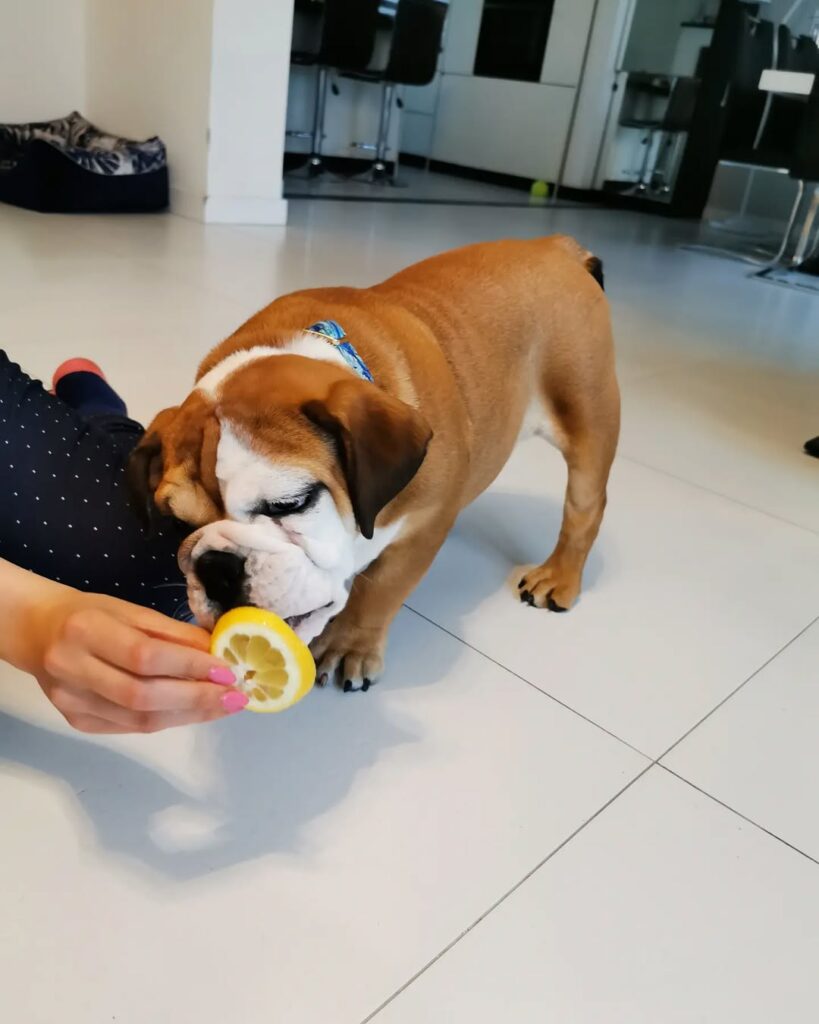
Repeating cues feels helpful. Most new owners do it without realizing.
Pets connect actions with what happens right after them. When rewards or reactions come too late, the lesson gets lost.
Humane World for Animals explains that rewards need to happen within seconds for pets to link them to the right behavior. Once that window passes, confusion takes over.
I stopped talking so much and started watching more. Catching behavior early meant fewer words were needed.
Try this once today. Reward the very first moment your pet does something right, even if it lasts only a second.
Small Sessions Fit Better Than Long Training Blocks
Many new owners believe training needs long sessions and strict schedules. That belief adds pressure fast.
Short moments work better in real homes.
The RSPCA explains that training should be reward-based and fit naturally into daily routines using what the pet already enjoys. Learning happens during walks, meals, and quiet moments, not only during planned sessions.
I stopped setting aside training time and started using daily routines. Waiting at doors. Sitting before meals. Calm moments on the couch.
Learning blended into life instead of interrupting it.
Look for one routine today where a short pause could become a teaching moment.
Consistency Comes From Routine, Not Perfection
Consistency worries many first-time owners. Missed days can feel like failure.
Pets do not need perfect repetition. They need predictable patterns most of the time.
When responses stay mostly the same, learning sticks. When reactions change often, confusion grows.
What helped me was simplifying rules. A few clear expectations repeated daily worked better than many rules followed sometimes.
Pick one behavior to focus on this week. Let the rest wait.
Rewards Are Information, Not Bribes
Many first-time owners worry about relying on rewards.
Rewards are not payment. They are feedback.
They tell pets what worked and what to repeat. Over time, rewards can shift from treats to praise, play, or access to what the pet wants.
Behavior guidance from the MSD Veterinary Manual explains that many behavior plans begin by adjusting motivation and environment rather than forcing compliance. Rewards guide learning without pressure.
If behavior improves with rewards, learning is happening. That is the point.
Mistakes Every First-Time Owner Makes
Every new owner makes mistakes. No exceptions.
Reacting too late. Asking too much. Expecting fast results.
None of these ruin training.
I made all of them. Progress still came once I adjusted timing and expectations.
Mistakes are part of learning for both sides.
If something is not working, change the approach, not your confidence.
When to Pause and Ask for Help
Some situations benefit from extra guidance.
Sudden behavior changes, rising fear, or growing frustration are signs that support could help. Veterinary behavior resources note that early guidance often prevents stress from building for both pets and owners.
Asking for help does not signal failure. It shows care.
Training Grows With You
Training does not end. It changes as you do.
As you learn your pet’s signals, routines feel smoother. Communication improves. Confidence replaces doubt.
You are not behind. You are learning together.
If this article eased some pressure, leave a comment below.
What part of training feels hardest right now, or what small change will you try first?
Your experience may help another first-time owner feel more at ease.
Frequently Asked Questions for First-Time Pet Owners
How long does it take for training to start working?
Most first-time owners notice small changes within the first week when responses stay consistent. Bigger changes take longer because pets learn through repetition, not single moments. Early progress often shows up as shorter reactions, quicker recovery, or more frequent calm behavior.
If nothing shifts at all, it usually means timing or clarity needs adjustment.
Am I confusing my pet if I make mistakes?
No. Mistakes are part of the process for both of you.
Pets learn from patterns over time, not isolated moments. Occasional late reactions or missed cues do not erase progress. What matters most is returning to the same approach once you notice the slip.
Learning does not require perfection.
Do I need to train every day?
Training happens every day whether you plan it or not.
Formal sessions are optional. Everyday moments like waiting at doors, mealtimes, and calm behavior indoors all count. Short interactions spread through the day often help more than long sessions done inconsistently.
Focus on awareness, not schedules.
Will using treats make my pet dependent on them?
Treats are tools, not permanent crutches.
They help your pet understand which behaviors work. Over time, rewards can shift to praise, play, or access to what your pet enjoys. The goal is clarity, not constant food.
If behavior improves, learning is happening.
What if my pet listens sometimes but ignores me at other times?
That pattern is common, especially early on.
It usually means the behavior is understood in some settings but not others. Distractions, timing, or inconsistent responses often explain the gap. Strengthen the behavior in calm settings before expecting it to hold in busy ones.
Consistency builds reliability.
When should I worry that training is not enough?
If behavior changes suddenly, grows more intense, or comes with signs of fear, discomfort, or withdrawal, extra support may help. Stress, health changes, or confusion can all affect behavior.
Reaching out for guidance does not mean you failed. It means you want clarity.


