
Left to Die on a Rusty Chain, This Puppy Fought to Stay Alive—Then Everything Changed
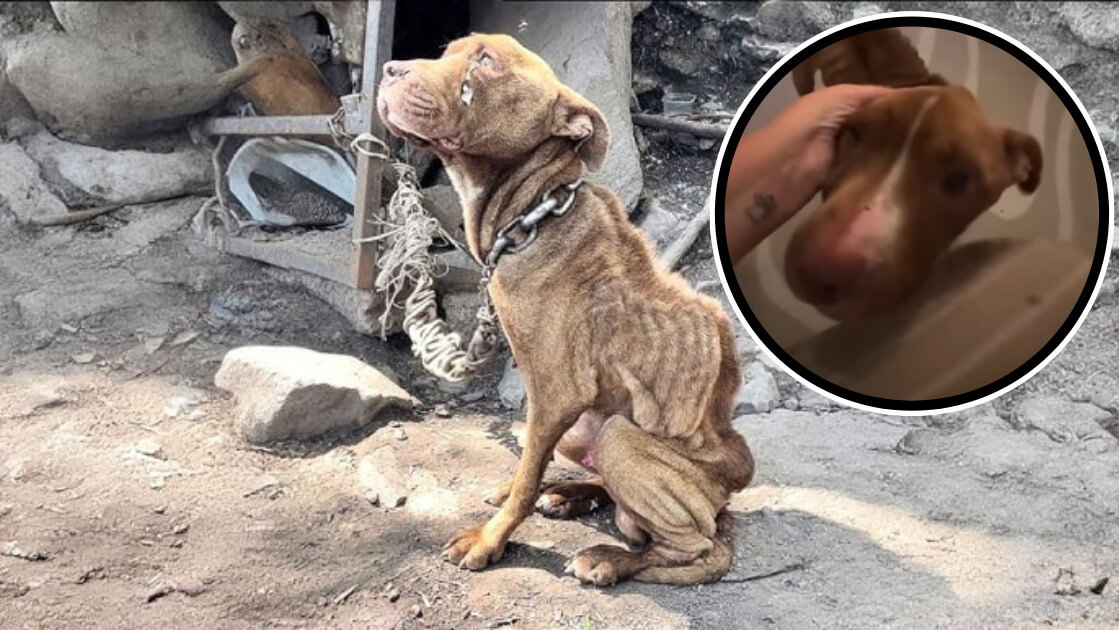
The puppy lay in the dirt, barely breathing. His ribs pushed through his skin. His paws trembled. Even lifting his head looked like work he couldn’t finish. At only one month old, he had already learned that no one was coming.
He didn’t whimper. He didn’t call for help. He simply waited.
Veterinary experts describe this stage as life-threatening for puppies because dehydration hits them harder than adult dogs, according to StatPearls on the NCBI Bookshelf, which explains that young animals lose water rapidly and decline fast without intervention. He was already crossing that line.
His name would later become Valiente — “the brave one.”
But on that day, he was fading.
The photos and updates of this rescue is courtesy of the rescue team adoptaunolvidadomx.
A Video That Changed Everything
Hours away, rescue organization adoptaunolvidadomx received a shaky cell-phone clip showing a puppy chained outside with two older dogs. All three looked defeated. The smallest, Valiente, looked close to collapse.
The moment they saw it, the team got in the truck.
They knew time was running out.
When a Dog Looks Like This, Reporting Saves Lives
Animal protection groups stress that documenting neglect is one of the strongest tools the public has.
The ASPCA explains that photos, video, and a detailed location can help authorities act fast when an animal’s life is at risk. Clear evidence often determines whether a rescue team can intervene safely and legally.
Someone made that call for Valiente — and it changed everything.
The Scene Rescuers Found
By the time the team arrived, daylight was slipping away. They searched the property until they saw the dogs: three shapes huddled in the dust. Two were thin. One was barely recognizable as a puppy.
Valiente’s chain was heavy, rusted, and too tight around his small neck. His legs wobbled when he tried to stand. He lowered his head again, as if standing cost more energy than his body had left.
Long-term tethering like this often leads to emotional shutdown, physical injury, and severe stress. A report from SPCA New Zealand describes chained dogs as some of the most vulnerable animals because they can’t escape danger, seek shade, or access steady food and water.
Valiente was living proof of that.
Since no owner was present, the team documented everything, notified local police, and gathered the dogs for transport.
A Puppy Close to the Edge
At the hospital, tests revealed severe malnutrition and dehydration. His muscles were weak. His eyes were sunken. His gums were dry.
Specialists who work with neglected animals warn that feeding starved dogs incorrectly can be dangerous. The University of Wisconsin’s Shelter Medicine Program notes that rapid feeding can cause electrolyte crashes in starved animals, so veterinary teams follow strict re-feeding plans to keep them stable.
Valiente wasn’t just hungry. He was medically fragile.
He also avoided every hand that reached toward him. His body tensed at the sound of voices. He kept his face turned away, unsure if touch meant pain.
Why Dogs Shut Down After Abuse
According to Small Door Veterinary, dehydration, stress, and untreated medical issues often present together in neglected pets, making them fearful and withdrawn. Puppies like Valiente often can’t regulate their own distress, so they retreat inward.
He wasn’t afraid of people.
He was afraid of what people had done to him.
A Home That Chose Him Anyway
Once he was stable enough to leave the clinic, rescuers tried to find someone willing to care for a dog who trembled at every sound. One family didn’t hesitate. They looked at his shaking body and said, “We’ll take him.”
He froze the first night.
He didn’t touch the soft bed.
He didn’t know blankets weren’t traps.
He didn’t know hands could be gentle.
Why a Foster Home Can Change Everything
A behavioral study summarized by Faunalytics found that dogs placed in foster homes show lower stress levels and more stable behavior than those that remain in shelters. Quiet environments help traumatized dogs relearn safety and routine — something Valiente desperately needed.
Love wasn’t just kindness for him.
It was medicine.
The First Sign of Hope
One morning, weeks into his recovery, Valiente lifted his head when he heard footsteps. His ears perked. His tail moved — barely, then a little more.
He walked toward his foster mom instead of away.
That single moment opened a door inside him. More followed.
He learned to nap tucked against warm blankets.
He learned toys weren’t threats.
He learned humans could laugh instead of shout.
And when he finally trotted across the room with confidence, his family cried.
Helping a Traumatized Dog Trust Again
Modern animal-behavior specialists share guidance for rebuilding trust with dogs harmed by neglect:
- Let the dog initiate contact
- Keep your voice soft
- Maintain predictable routines
- Reinforce calm behavior with gentle praise
- Avoid overwhelming stimulation
These steps, supported by leading welfare groups, help rebuild the broken emotional pathways left by abuse.
Valiente responded to every one.
A Larger Crisis Hidden in Plain Sight
Valiente’s story is only one thread in a much bigger pattern. According to Shelter Animals Count, millions of animals each year suffer abuse, abandonment, or neglect across North America, with many cases going unreported. Dogs kept on chains for long periods are among the most at-risk.
The Humane Society reports that chained dogs are more likely to bite, suffer injury, and experience high stress because they can’t escape threats. They live isolated lives that often deteriorate into sickness or aggression.
Valiente survived it.
Thousands don’t.
His recovery is a reminder that neglect is not rare — it’s just rarely seen.
How You Can Help a Dog Like Valiente
People often assume they can’t do much. But small actions change outcomes:
- Report chained or distressed dogs with photos or video
- Give precise location details when contacting local authorities
- Support rescues that respond to cruelty cases
- Learn local tethering laws
- Ask shelters if they need transport volunteers
- Consider fostering an at-risk pet
Those steps are the difference between “someone should help” and “someone did.”
You can also read these rescues:
He Was Forgotten on a Chain for 5 Years. His Rescue Changed Everything
From Trash to Treasure: The Dog Who Went From Dumped to Deeply Loved
The Life He Was Meant to Live
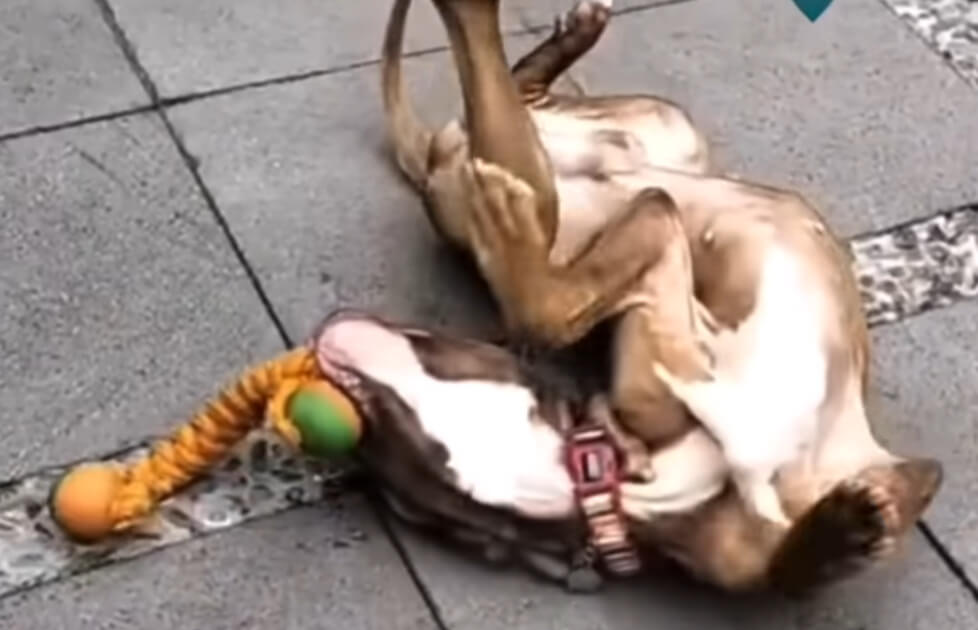
The Life He Was Meant to Live
Today, Valiente naps on soft blankets. He sprints across his yard. He chews toys until he tires himself out. He sleeps without fear. His body has filled out. His eyes shine with curiosity instead of panic.
He is not the puppy who lay chained in the dirt.
He is loved.
He is safe.
He is seen.
His name fits him now.
Valiente — the brave one who never let go, even when the world did.
You can also watch his rescue video below:


