
Why Cats Suddenly Avoid You (And What They’re Trying to Tell You)
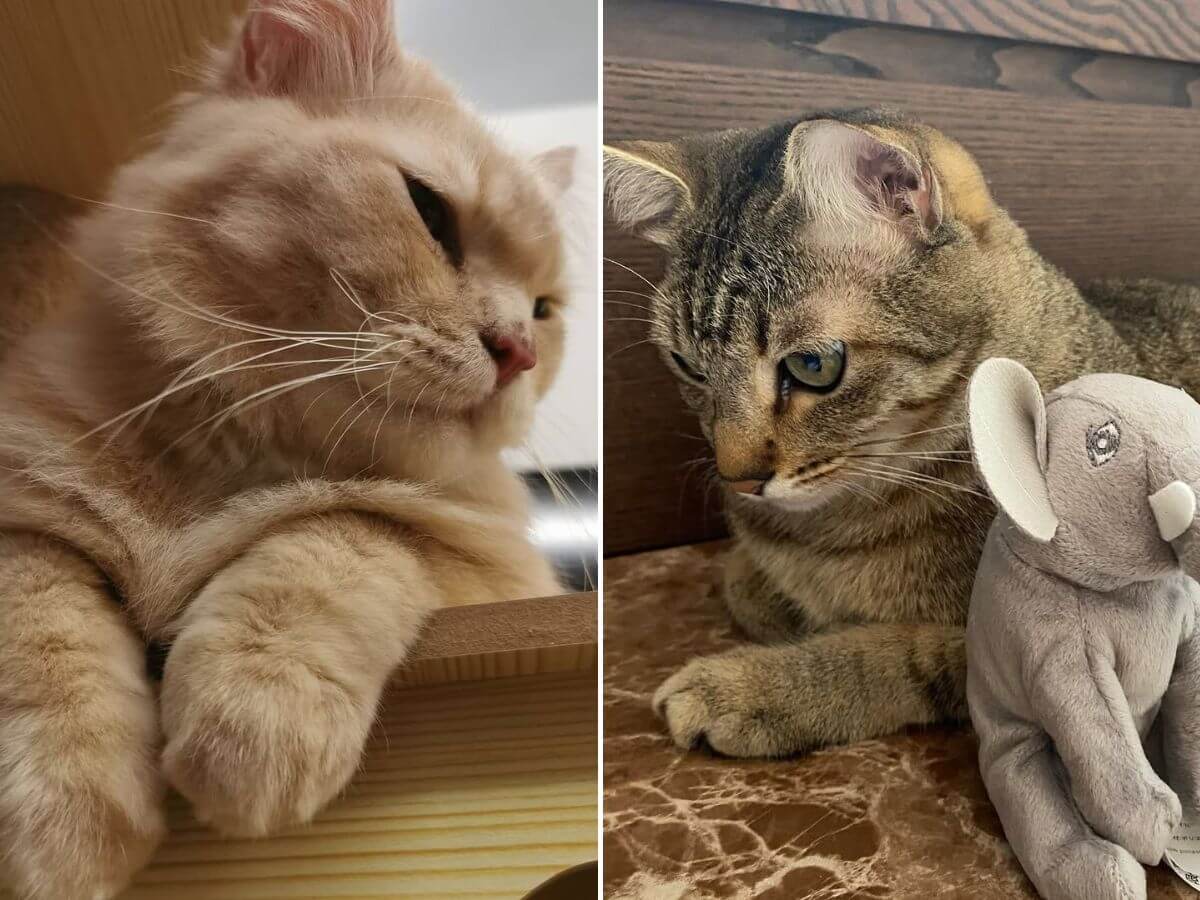
It starts quietly.
Your cat used to curl up beside you. Now she slips out of the room when you sit down. A cat who followed you everywhere suddenly keeps distance. It feels personal. It feels confusing.
Here is the truth.
Cats do not pull away without a reason. Distance is communication.
Most of the time, avoidance is not about affection fading. It is about something that changed, something your cat noticed before you did.
The good news is this. Once you know what to watch for, the behavior starts to make sense. Small clues appear in routine, touch, and environment. When you respond the right way, many cats ease back on their own.
This article walks through what that distance often means and what you can do today to help your cat feel safe around you again.
When Affection Disappears, Something Changed
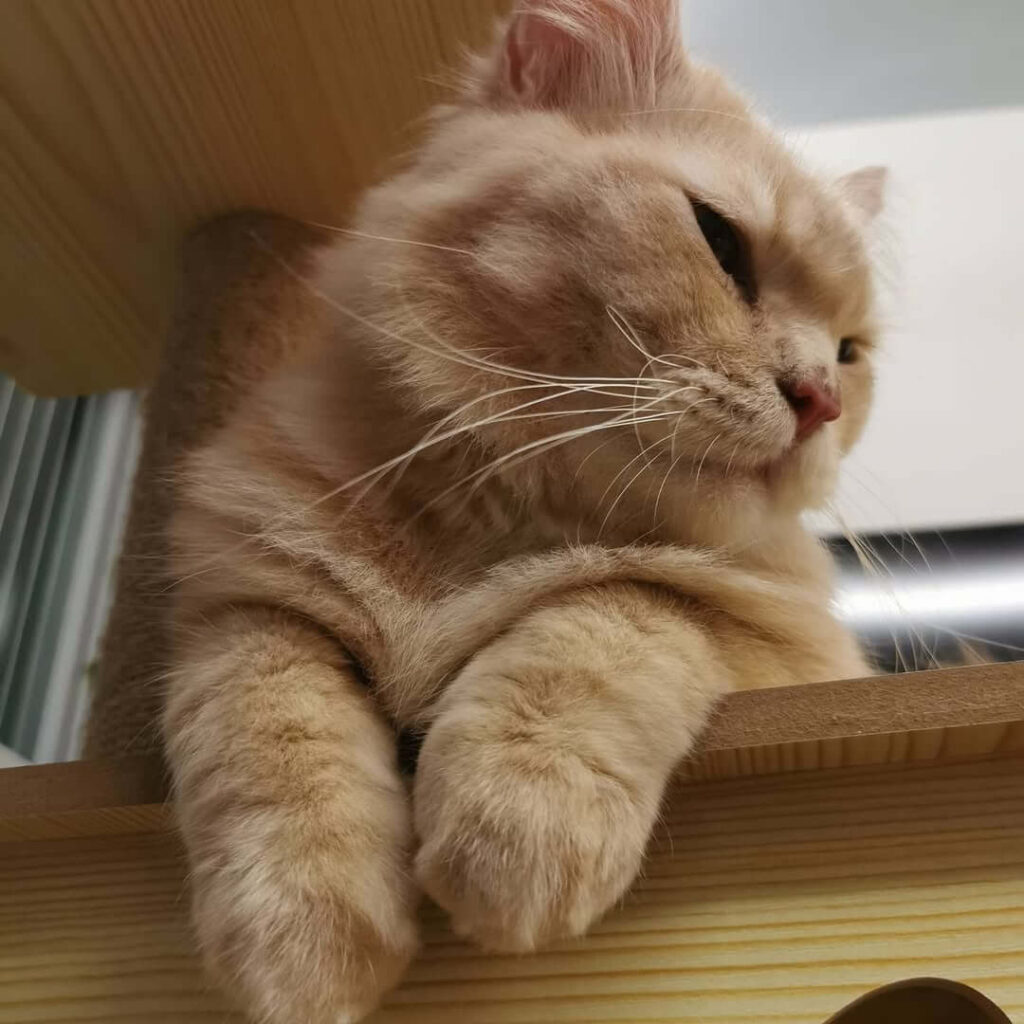
Cats do not argue. They adjust.
When a cat avoids you, she is responding to something that feels different. It might be obvious to her and invisible to you. Cats notice shifts in routine, scent, touch, and emotional energy far earlier than people do.
The key is not asking, “Why is my cat mad?”
The better question is, “What feels different right now?”
That question matters because most cats are reacting to change, not to you as a person. Once you start looking through that lens, the behavior feels less personal and more solvable.
That shift leads us to the first place many owners overlook.
Cats React to Changes Before You Do
Cats rely on predictability. Even small changes can feel large to them.
A new work schedule. Coming home later than usual. A visitor staying for a few days. Rearranged furniture. These moments register fast, and cats often connect the change to the person closest to them.
Veterinary behavior references explain that cats manage social contact through distance. The MSD Veterinary Manual explains that “Cats regulate their social interaction through distancing” and that “Similar social interactions characterize cats’ interactions with humans.”
That means avoidance is not rejection. It is a way cats manage how close they feel safe being.
What you can do today:
Think back two weeks. Not months. Ask yourself what shifted in timing, noise, or routine. Small details often point to the trigger.
Once change is on the table, discomfort becomes easier to understand.
Physical Discomfort Can Rewrite Trust

Cats associate sensations with recent experiences.
If your cat felt pain while being lifted, brushed, or petted, she may avoid the person involved, even if you did nothing wrong. Pain links memories quickly, and cats protect themselves by limiting contact.
The American Animal Hospital Association notes that pets in pain may “become more withdrawn and avoid social contact.” That matters because behavior changes often appear before obvious symptoms.
I learned this lesson the hard way. One of my cats stopped jumping onto my lap, then stopped greeting me at the door. I assumed age was catching up. A vet visit showed dental pain. After treatment, his behavior softened again without any retraining.
What you can do today:
Watch when avoidance shows up. During touch? Lifting? Brushing? Timing gives you better clues than guessing.
If pain is not the issue, stress often fills that space.
Stress Builds Quietly in Cats
Cats rarely react to one event. Stress stacks.
More noise. More guests. Another pet. Even increased affection can tip the scale. Cats protect themselves by limiting interaction before things feel overwhelming.
Avoidance works like a pressure valve. It helps them regain control.
What you can do today:
Lower stimulation before seeking closeness. Sit nearby without reaching. Let your presence feel predictable again.
This is where many well-meaning owners accidentally make things harder.
Chasing Closeness Pushes Cats Away
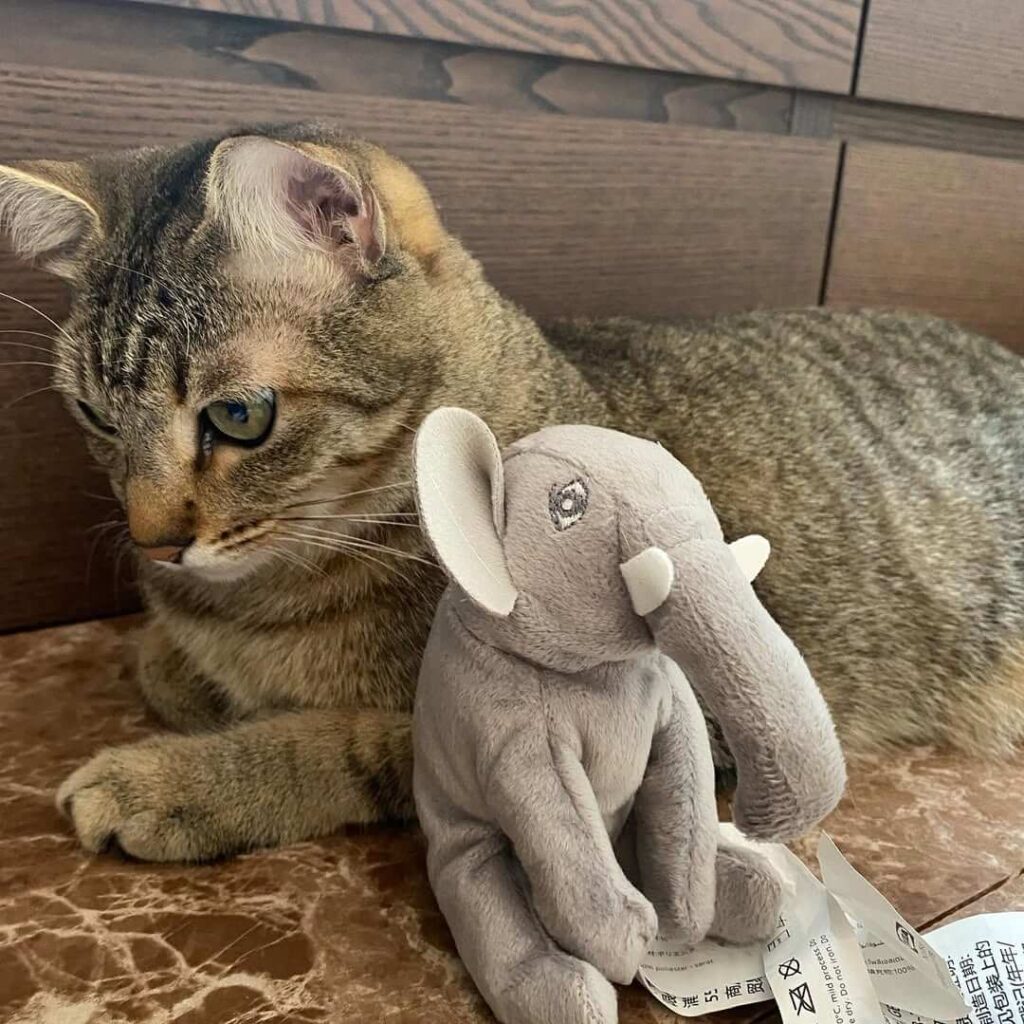
When a cat avoids us, the instinct is to fix it fast. We call their name. We follow. We reach.
From a cat’s point of view, that removes choice.
Cats test safety by watching reactions. When distance is respected, trust rebuilds faster because the cat feels in control of the interaction.
What to stop doing immediately:
No following. No scooping. No forced cuddles. Stillness often works better than effort.
Once pressure drops, scent often becomes the next silent barrier.
Scent Changes Can Break Familiarity
Cats recognize people through smell more than sight.
A new soap. Medication. Perfume. Laundry detergent. These can make you smell unfamiliar overnight.
A study published in PLOS ONE found cats “spent a substantially longer time sniffing the odor of an unknown person than that of a known person.” That difference shows how strongly cats rely on odor to tell familiar from unfamiliar.
If you smell wrong, your cat may treat you like someone new.
What you can do today:
Sit on the floor. Let your cat approach. Place a worn shirt nearby. Familiar scent rebuilds recognition faster than touch.
Even when scent returns, expectations still matter.
Affection Looks Different to Cats
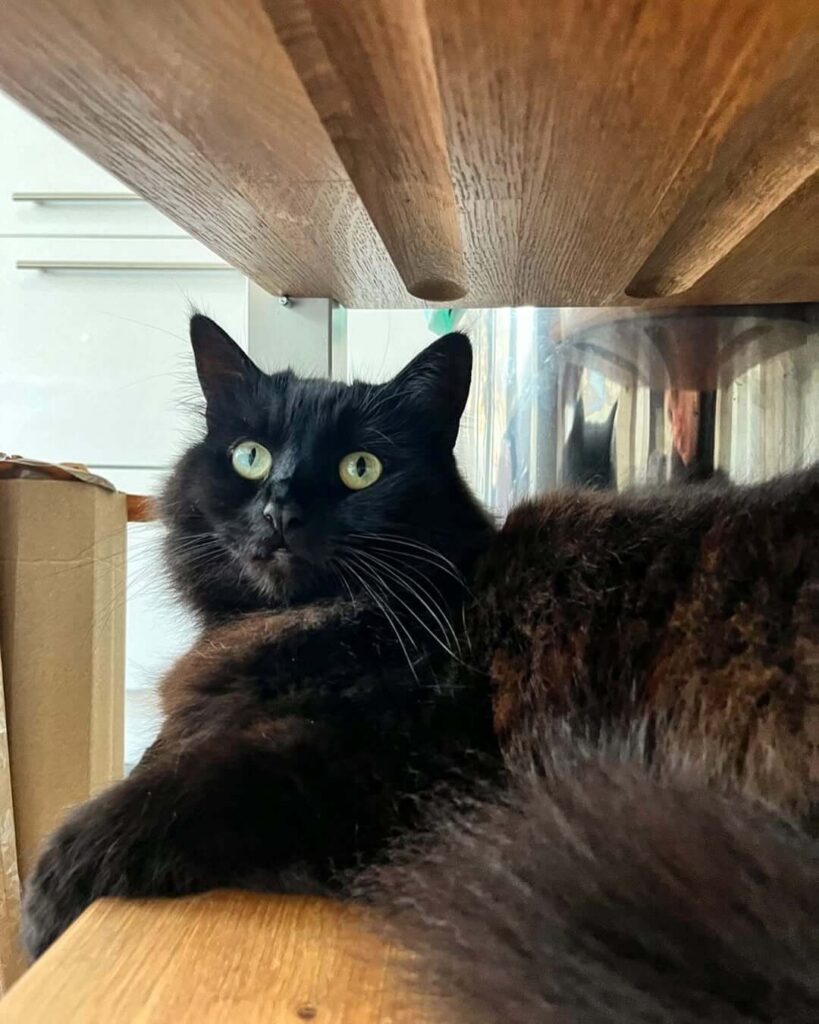
Cats do not measure closeness the way humans do.
A cat who sits across the room, slow blinks, or sleeps nearby may still feel bonded. Pulling back does not mean trust disappeared.
Veterinary behavior guidelines from the American Association of Feline Practitioners state that “Medical problems increase with age and may present as behavior changes.” That reminder helps owners avoid taking distance personally while staying attentive.
Signs of trust without touch:
Remaining in the same room. Turning their back to you. Grooming nearby.
Those moments count, even if they look quiet.
Now let’s talk about repairing the bond.
How to Rebuild Trust Without Forcing It
Trust returns when cats control the pace.
Stick to predictable routines. Feed at the same time. Sit calmly nearby. Use indirect play like wand toys. Let interaction feel optional again.
Small habits shape safety more than big gestures.
A simple reset approach:
Three days of calm presence. No reaching. Let your cat decide when to engage.
Distance shrinks on its own when safety grows.
Still, there are moments when avoidance deserves closer attention.
When Avoidance Signals Something Deeper
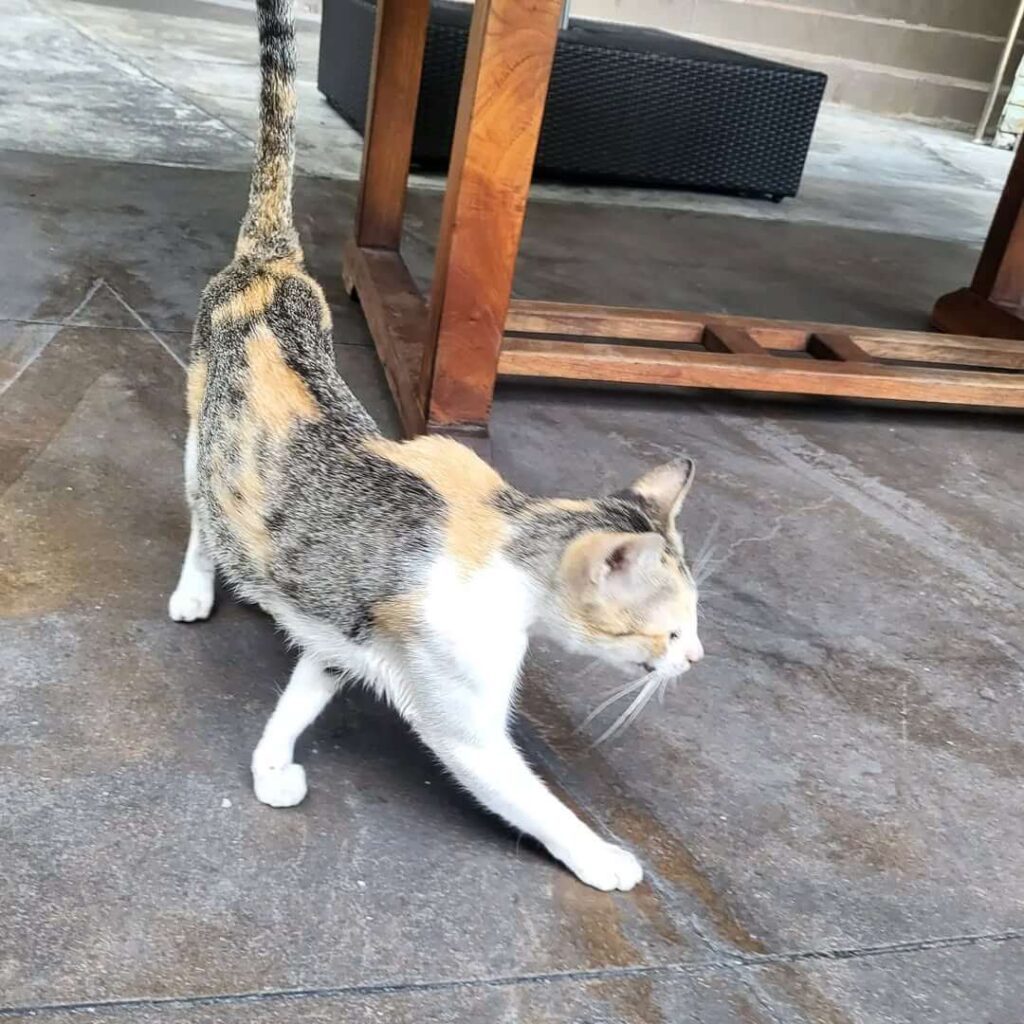
Watch duration and layering.
If avoidance lasts weeks or pairs with appetite changes, hiding, or litter box shifts, it is time to look deeper. Behavior often speaks before the body shows visible signs.
That does not mean panic. It means awareness.
Distance Is Still Communication
When cats avoid us, they are not rejecting us.
They are speaking in the only language that works for them. Space. Timing. Choice.
Listen closely, respond calmly, and the bond often rebuilds in quieter, steadier ways.
Frequently Asked Questions
By this point, many cat owners start replaying moments in their head. That usually leads to the same questions. The ones people hesitate to ask out loud. Let’s walk through them calmly.
How long does it take for a cat to stop avoiding you?
There is no fixed timeline. Some cats ease back within days once pressure drops. Others need weeks. What matters most is consistency. When your behavior stays predictable and low-pressure, many cats soften on their own.
Should I ignore my cat if she avoids me?
Ignoring completely can feel just as confusing as crowding. A better approach is calm availability. Stay present without reaching. Let your cat decide when contact feels safe again.
Can one bad experience really cause avoidance?
Yes. Cats link memory and sensation quickly. A single moment tied to pain, fear, or stress can change how a cat reacts around a person. That does not mean the bond is broken. It means trust needs time to reset.
Is avoidance always a behavior issue?
Not always. When distance shows up alongside appetite changes, hiding, or litter box shifts, it may point to discomfort. Behavior is often the first signal owners notice.
Will treats fix the problem faster?
Treats can help rebuild positive association, but only when used gently. Tossing a treat nearby works better than holding one out. Let your cat approach rather than persuading her to come closer.
Distance Does Not Mean the Bond Is Gone
Again, when a cat pulls away, it can feel like rejection. Most of the time, it is not. It is feedback.
Cats use space to protect themselves and to reset when something feels off. When you listen instead of chasing the moment, trust often returns in quieter ways. Sitting nearby. Sharing a room again. A glance that lasts a second longer than before.
If you are going through this right now, you are not alone. Many cat owners have been here, even the ones who seem to have effortless bonds.
If you want, share your experience in the comments.
What changed right before your cat started keeping distance?
Also read:
Why Cats Bring Dead Animals to Their Humans: And What It Really Means
Why Your Cat Sleeps 16 Hours a Day — And Thinks That’s Productive


