
Why Dogs Follow You Everywhere (Even to the Bathroom)
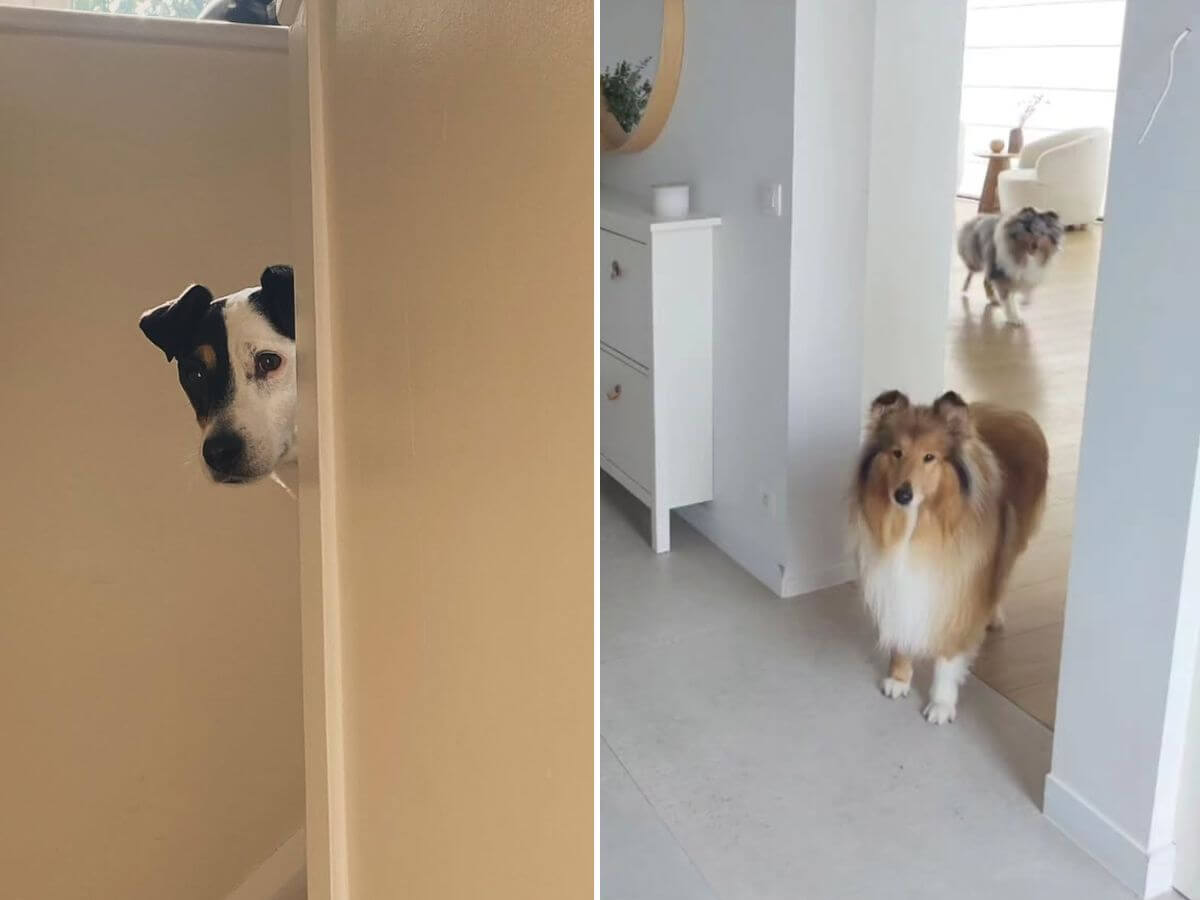
It starts the moment you stand up.
You shift on the couch. Your dog’s ears lift. You take one step toward the hallway, and suddenly there’s a shadow at your heels. Kitchen. Bedroom. Bathroom. You’re never alone.
It’s funny at first. Then it gets curious. Sometimes it even feels like you’ve gained a second tail.
Here is why it happens.
Most dogs follow their people for simple, everyday reasons tied to routine, comfort, and habit. Once you understand what your dog is checking for, the behavior becomes easier to read and easier to live with.
This article breaks down why dogs stick so close and what small changes can help both of you feel more relaxed at home.
Dogs Are Wired to Stay Close to Their People
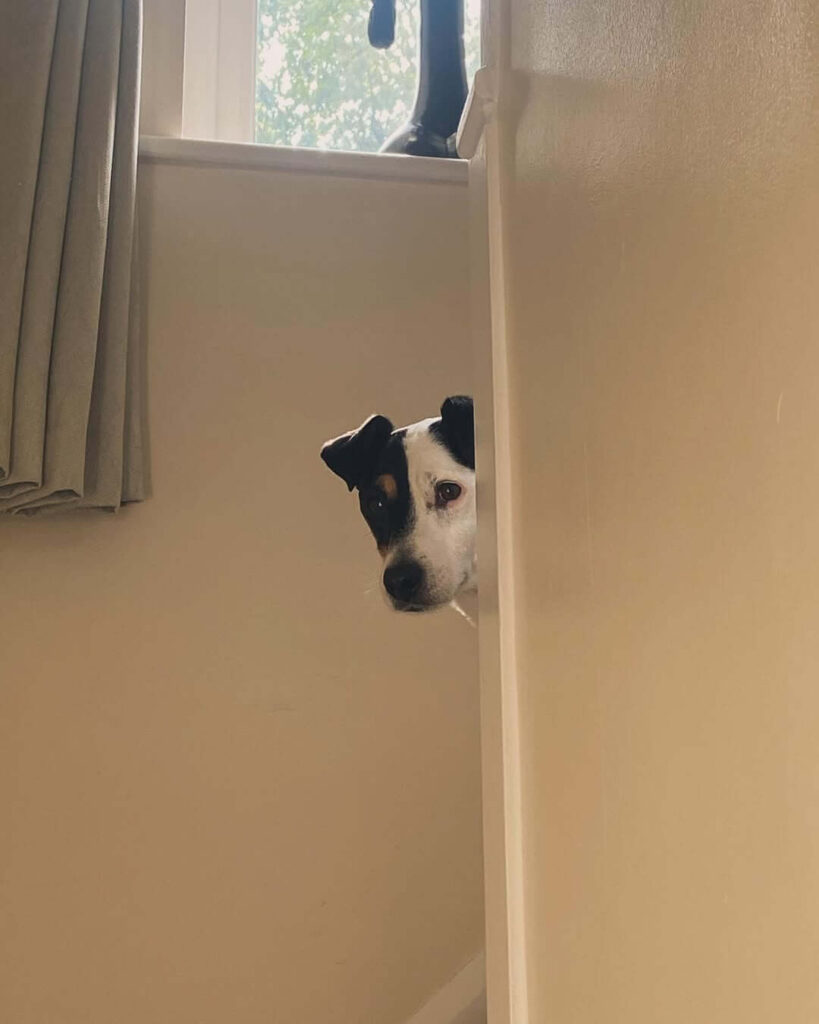
Dogs did not invent this behavior. They inherited it.
According to the American Kennel Club, “Dogs are pack animals, and we are their pack,” which explains why staying near you feels natural to them. You are not just their favorite person. You are their reference point.
Following you is not a plan. It is instinct layered with habit.
Once you see it that way, the behavior feels less clingy and more predictable. And predictability helps explain what your dog is checking for each time you move.
Your Dog Is Gathering Information, Not Guarding You
Let’s break it down.
When your dog follows you, they are watching patterns. Tone of voice. Direction of movement. Speed. Dogs use proximity to read what might happen next.
Are you getting ready to leave? Is this a walk moment? Is food involved?
This is why dogs often appear calm while following. They are not on alert. They are collecting clues.
What you can do today:
Notice your dog’s body language during these moments. Loose posture and soft eyes point to curiosity. Tension, pacing, or hovering suggest something else.
Once you spot the difference, routines start to explain the rest.
Routine Turns Following Into Habit
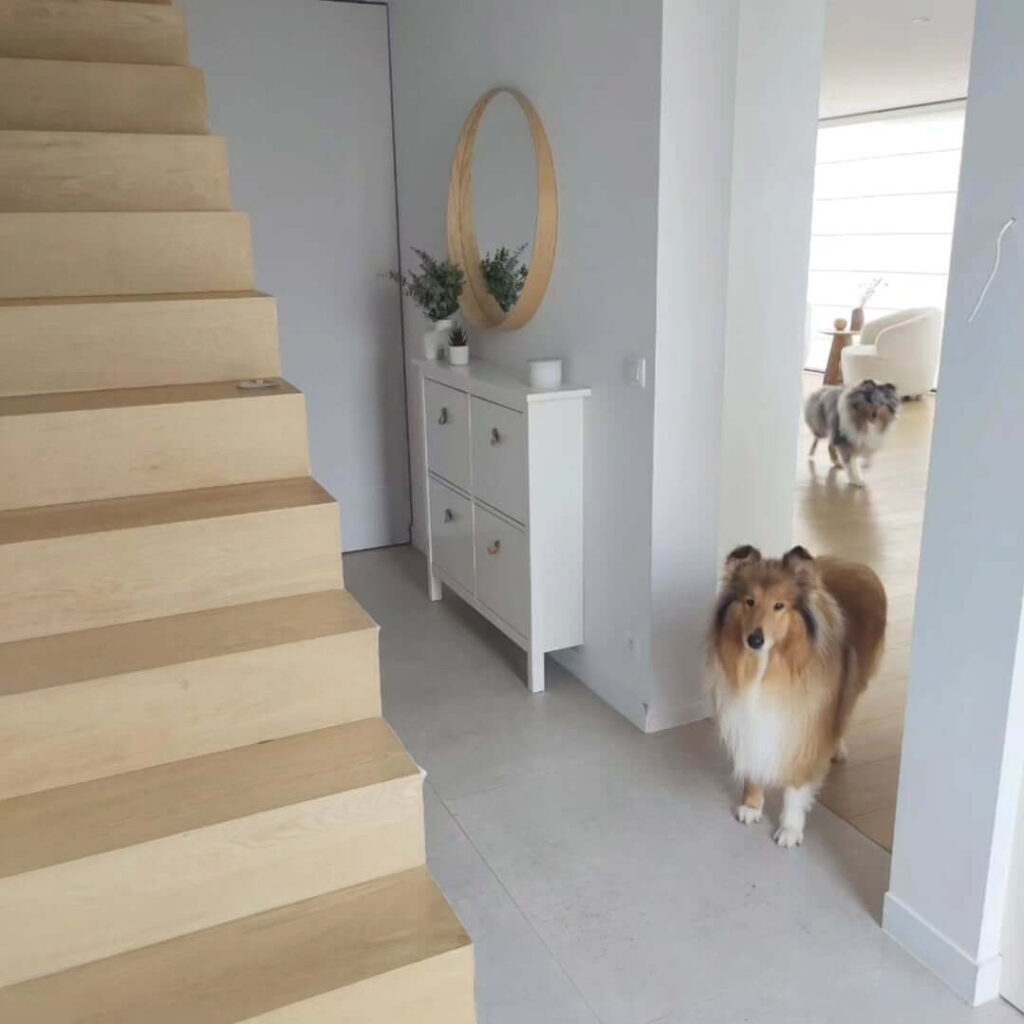
Dogs connect movement with outcomes.
If standing up often leads to a walk, a snack, or attention, following becomes part of the loop. Over time, your dog is not choosing to follow. They expect it to matter.
This builds fast in small spaces where movement is easy to track. Apartments, narrow hallways, and open layouts make following feel almost automatic.
What you can do today:
Stand up without doing anything a few times a day. Sit back down. No cue. No reward. Just movement that leads nowhere.
That small pause often reveals why one room draws more attention than the rest.
Why the Bathroom Is So Interesting
Bathroom following has its own logic.
The door closes. Movement stops. You stay still. For dogs, that combination feels like a pause worth investigating.
There is also scent. A lot of it.
As Kinship explains, “Bathrooms have many scents, from pleasant soaps, shampoos, and perfumes to other less pleasant odors.” For a dog, that’s information layered on top of stillness and access to you.
What you can do today:
If bathroom following bothers you, start with calm exits. No talking. No eye contact. Close the door gently. Keep it boring.
For many dogs, that alone reduces the habit.
Still, there are moments when following carries more weight.
When Following Is About Security
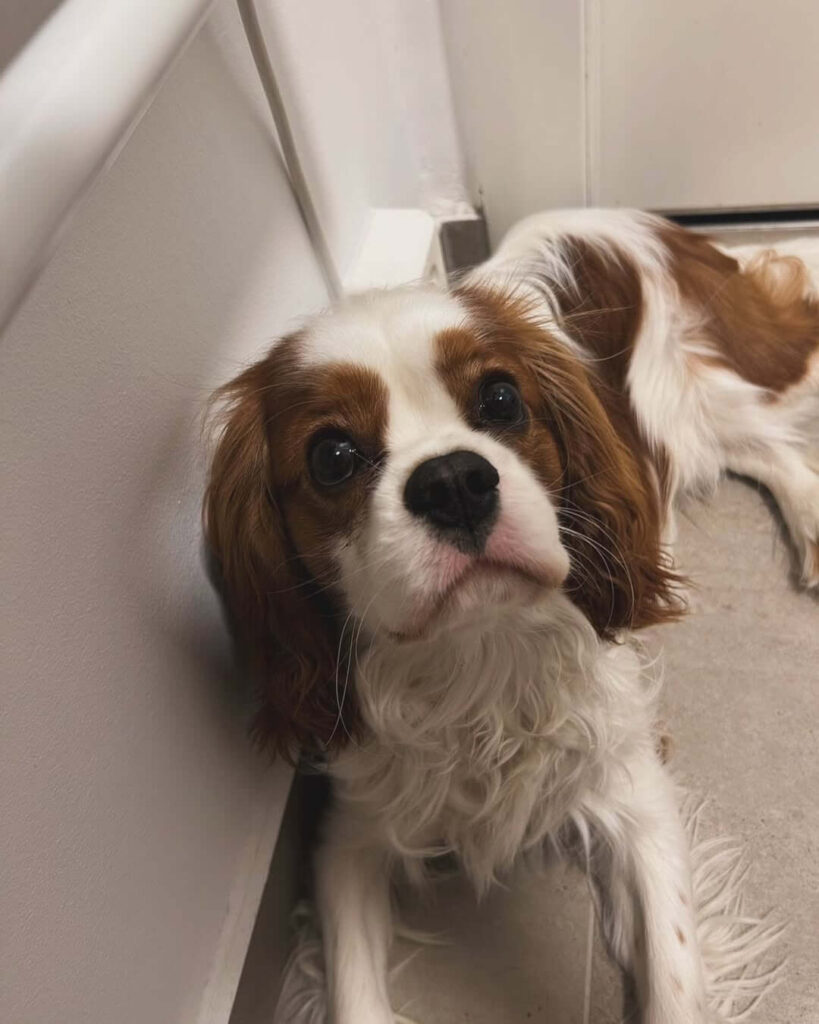
Changes increase shadowing.
A new schedule. A move. A guest. A shift in energy at home. Dogs respond by staying closer.
The ASPCA explains this clearly, stating that “Separation anxiety is triggered when dogs become upset because of separation from their guardians, the people they’re attached to.” That attachment often shows up as increased proximity.
Some dogs take it further.
The VCA Animal Hospitals notes that “Most dogs with separation anxiety try to remain close to their owners, follow them from room to room and rarely spend time outdoors alone.”
That combination matters more than following alone.
What you can do today:
Watch patterns, not moments. If following appears alongside restlessness, vocalizing, or trouble settling, focus on calm routines before labeling the behavior.
Your response sets the tone more than you might realize.
Your Reactions Shape the Pattern
Dogs learn fast.
Talking, laughing, petting, or even sighing can reward the behavior. From your dog’s point of view, following works.
The goal is not ignoring your dog. It is neutrality.
What to stop doing right now:
No commentary. No reaching. No automatic touch. Let following feel uneventful.
When reactions fade, independence becomes easier to build.
Teaching Comfortable Independence
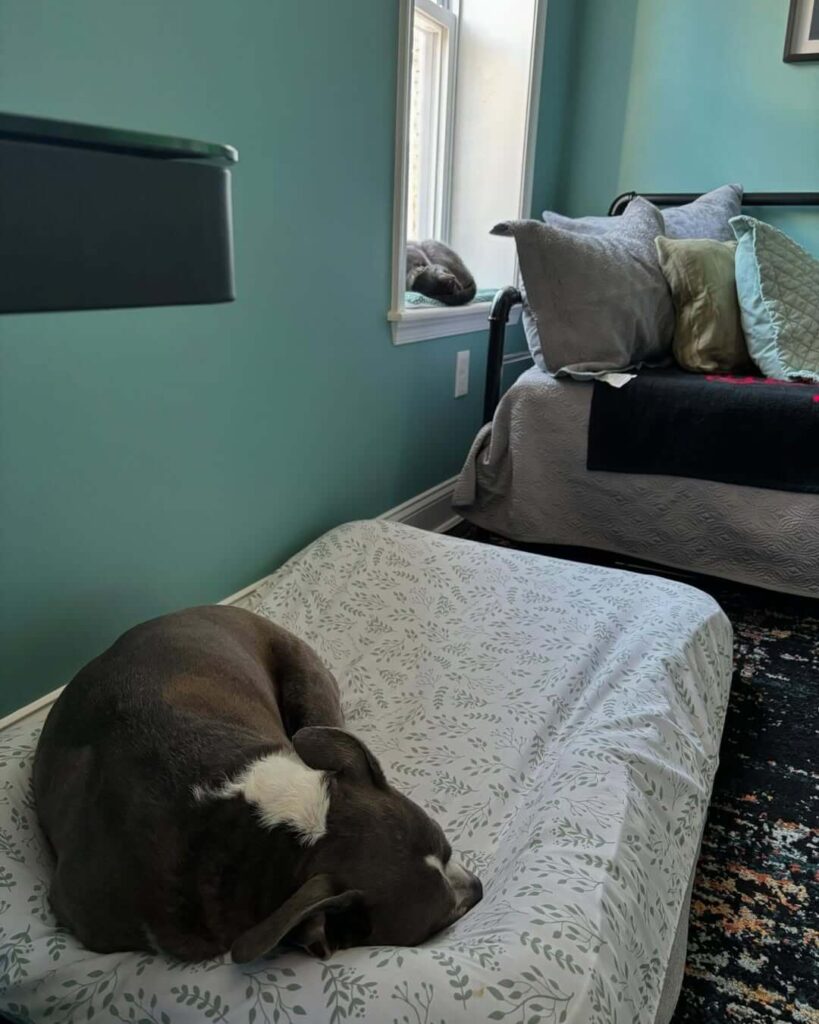
This part works best in small moments.
Step into another room. Pause. Return calmly. No buildup. No goodbye. No greeting.
Short separations inside the home teach your dog that distance is safe.
I used this during a work-from-home stretch when my own dog started shadowing every step. Within days, he began choosing his bed again without any formal training.
A simple reset you can start today:
Three days of neutral movement. No signaling departures. Let your dog decide where to settle.
Most dogs respond quietly when pressure drops.
When Following Signals Something More
Intensity matters.
If following becomes constant and pairs with distress, sleep changes, or an inability to settle alone, it’s time to look deeper. Patterns tell the story better than single behaviors.
That does not mean panic. It means paying attention.
Following Is a Relationship Clue
Dogs follow because they feel connected.
Most of the time, it’s trust mixed with routine. When you understand the reason, you can shape the habit without pushing your dog away.
If you’re living with a shadow right now, you’re not alone. Many dog owners are.
If you want, share your experience in the comments.
Does your dog follow you everywhere, or only to certain rooms?
RELATED:


Your article helped me a lot, is there any more related content? Thanks!