
This Forgotten Poodle Chose Food Over Fear. What Happened After Is Beautiful
There are rescue stories that fade when the screen goes dark.
This one stays.
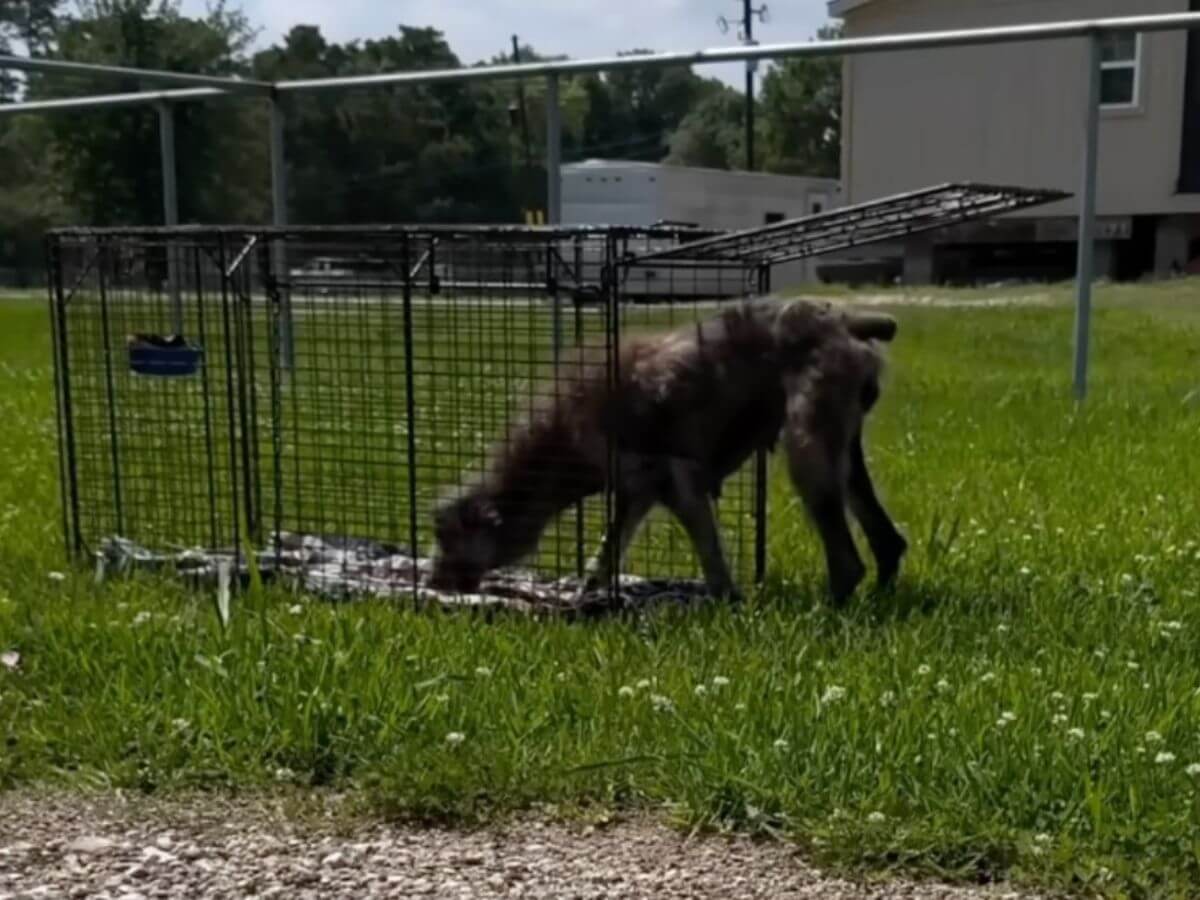
She was small enough to miss if you weren’t looking carefully. A pale blur moving along the edge of a quiet street, stopping only when hunger slowed her down.
The curls that should have framed her face were gone. In their place were raw patches of irritated skin and ribs that pressed sharply against what little fur remained.
She wasn’t crying for help.
She wasn’t running toward anyone.
She was surviving, one cautious step at a time.
What happened next didn’t look dramatic at first. There were no heroic leaps or instant trust. Just a metal trap, a bowl of food, and a decision no frightened dog wants to make.
Fear told her to stay away.
Hunger told her to step forward.
And that choice changed everything.
A Body That Told the Whole Story
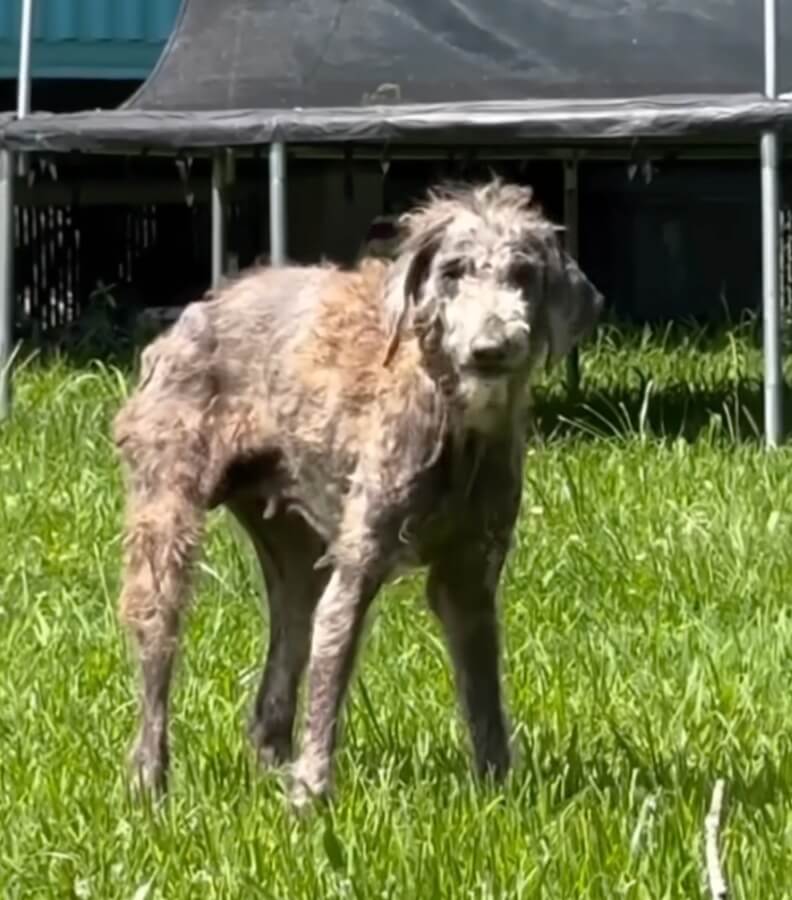
When the rescuer first spotted her, the reaction was immediate. Later, describing that moment, one of them said, “When I first saw her, I couldn’t believe my eyes.”
She didn’t look like a dog who had once belonged to someone. She looked like something the world had forgotten.
Her ribs showed. Her hips were sharp. The curls poodles are known for had thinned to almost nothing. Mange had taken over her coat and much of her comfort.
That shock makes sense. Mange is not just hair loss. It is a parasitic condition that attacks the skin itself.
According to Pets & Parasites, “Demodex is a parasitic mite that causes a skin disease often referred to as mange or canine demodicosis.”
When a dog’s immune system is weakened, those mites can multiply quickly, leading to inflammation, open sores, and secondary infection.
This wasn’t cosmetic. It was painful.
And still, she kept moving.
The Trap That Meant Safety
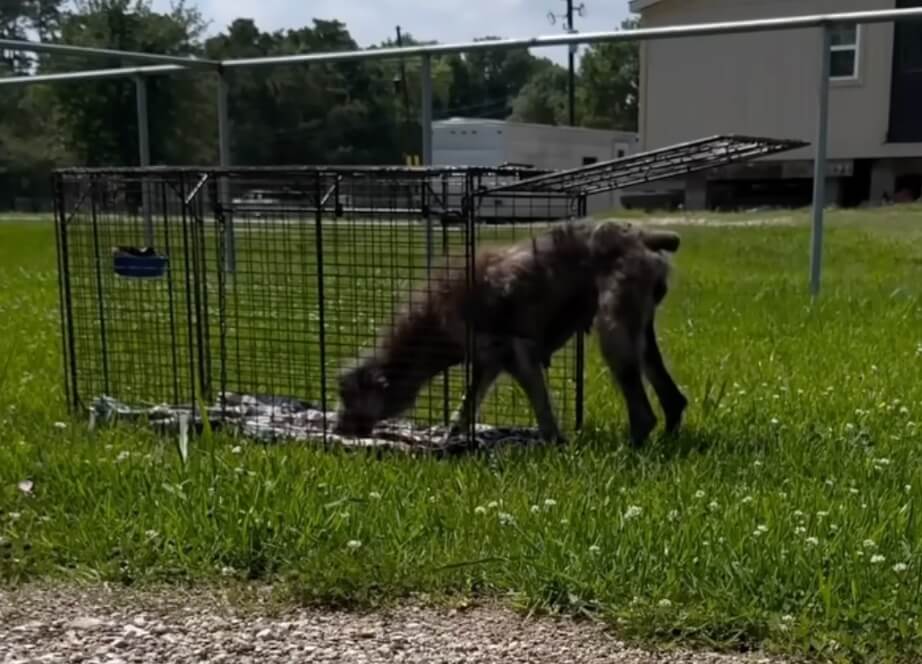
The team knew they couldn’t rush her. Dogs who survive on the streets learn quickly that humans can be unpredictable. Every step she took was cautious. Every sudden sound made her flinch.
So they set a humane trap.
It was baited with food. They stepped back and waited.
She circled it more than once. Hunger pulled her closer. Instinct pulled her back. The tension was visible even from a distance.
In the end, she stepped inside.
When the door shut, the noise startled her. She scrambled for a second, confused and afraid. She didn’t know that the cage meant safety. She only knew that hunger had pushed her too far to turn back.
As the rescuers later explained, “In the end, hunger got the best of her.”
It was a desperate decision. It became her turning point.
What Severe Mange Really Requires
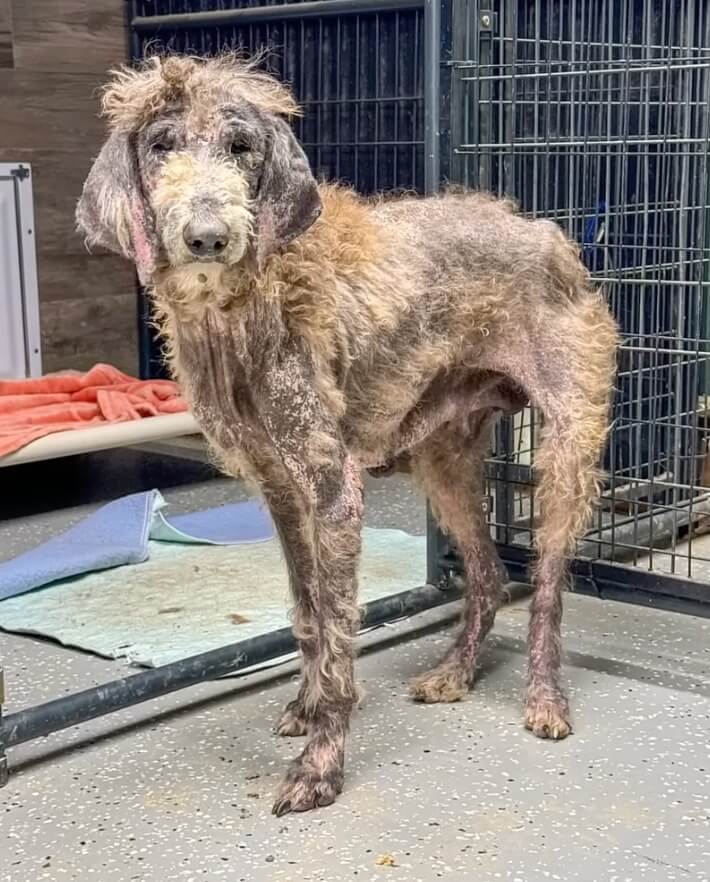
Once she was secured and given space to rest, treatment began. Mange does not disappear after a single bath. It requires consistency and medical oversight.
Veterinary guidance is clear on that. According to VCA Animal Hospitals, “Treatment varies from medicated baths and dips to injections and oral medications.” That layered care matters because mange often involves both active mites and bacterial infections caused by damaged skin.
The team followed a steady routine. Medicated baths soothed irritation. Veterinary care addressed infection risk. Meals were small but frequent so her body could regain weight safely.
Progress did not happen overnight.
In week one, her body stabilized.
By week three, her skin looked calmer.
By the second month, soft regrowth began where bare patches once dominated.
Here is why that matters. When treatment is rushed or stopped early, relapse is common. Recovery is built on repetition and patience.
Fear Does Not Disappear Overnight
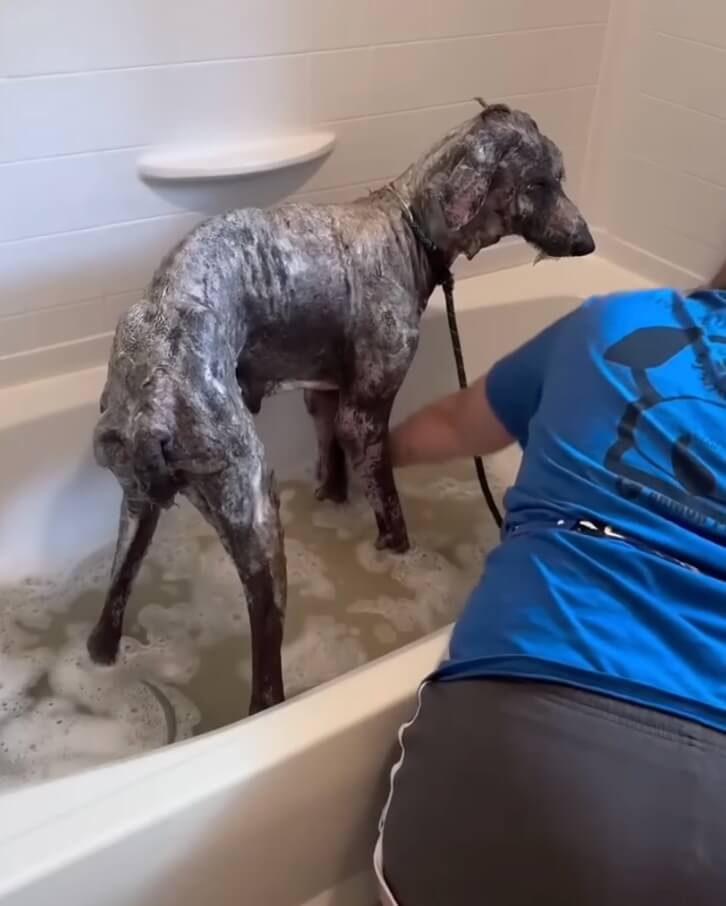
Physical healing was only part of her story.
At first, she flinched from touch. Even gentle hands made her recoil. Survival had trained her to expect danger.
Trust had to be rebuilt slowly. Food at the same time each day. Calm voices. Predictable movement. A yard that felt safe instead of threatening.
Behavioral experts emphasize this approach. Humane World for Animals explains, “Positive reinforcement training can include food treats, praise, petting, or a favorite toy or game.” That method does more than teach commands. It creates positive associations where fear once lived.
For this poodle, food had already saved her once. Now it became part of teaching her that hands could mean comfort instead of harm.
The shift was subtle at first. She lingered instead of retreating. She watched instead of shrinking away. One day, she leaned into a hand instead of pulling back.
That was the moment her caregivers knew the deeper healing had begun.
Healing Beside Another Dog
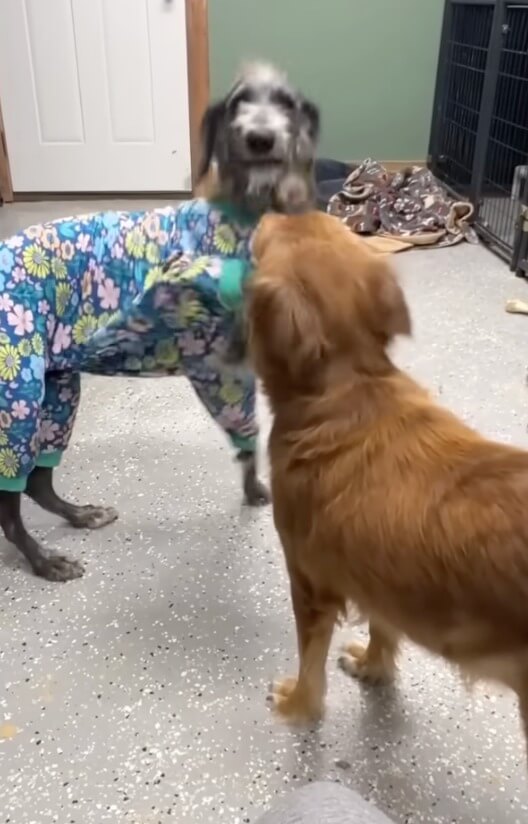
She was named Babs.
Soon after, she met another rescue named Ginny. Both carried their own history. Both were cautious.
They began exploring the yard together. Ginny often walked slightly ahead. Babs followed just behind. It was quiet companionship, but it was powerful.
Dogs are social animals. Confidence can grow faster when it is mirrored. Watching Babs copy Ginny’s ease around people felt like watching trust being learned in real time.
When Ginny was adopted, there was concern. Would Babs regress?
She didn’t.
She kept eating well. She kept greeting caregivers. Her tail stayed lifted. That resilience surprised even those who had watched her from the beginning.
The Dog She Became
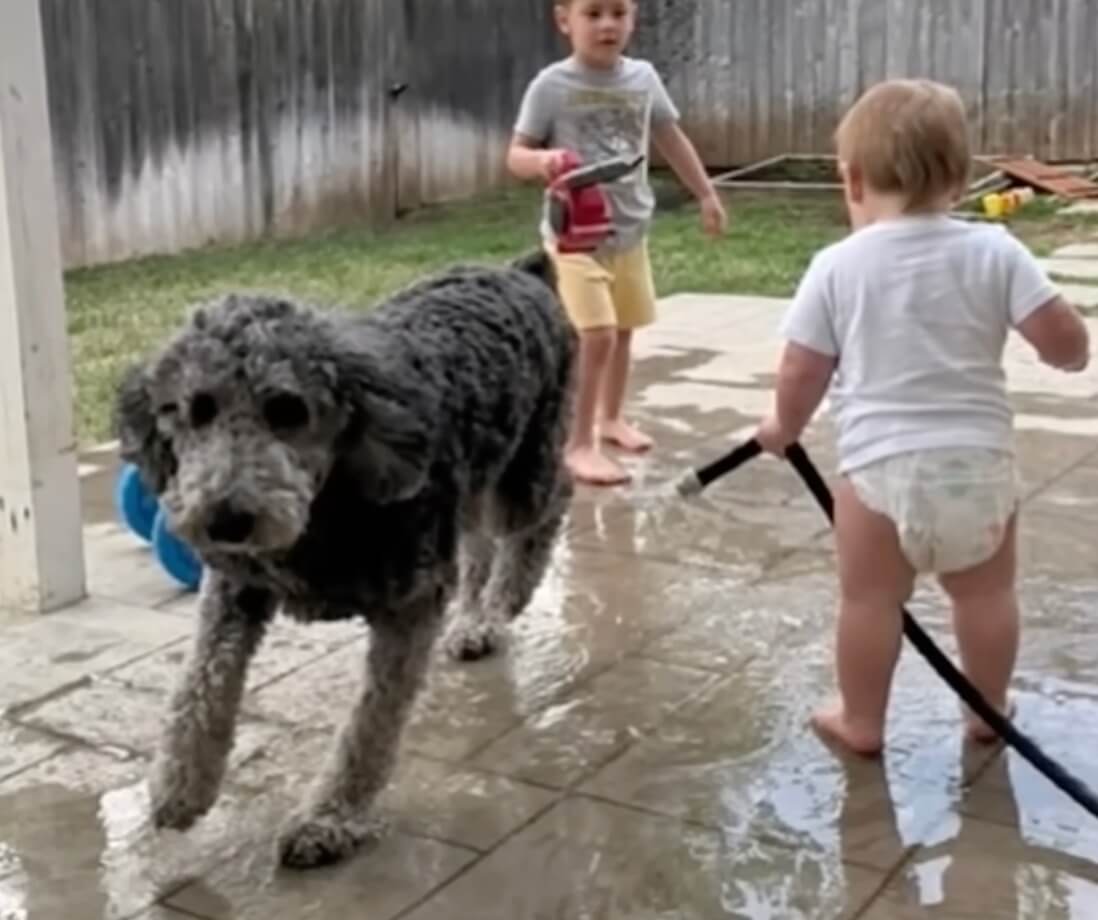
Months later, the difference was undeniable.
Her coat grew thick and soft. Her posture shifted from guarded to relaxed. Her eyes no longer scanned for threats.
She allowed brushing. She rested beside people. Sometimes she rolled onto her side and exposed her belly, the clearest sign that fear no longer ruled her body.
She was not the skeletal, wary poodle circling a trap anymore.
She was home.
Why Stories Like This Matter
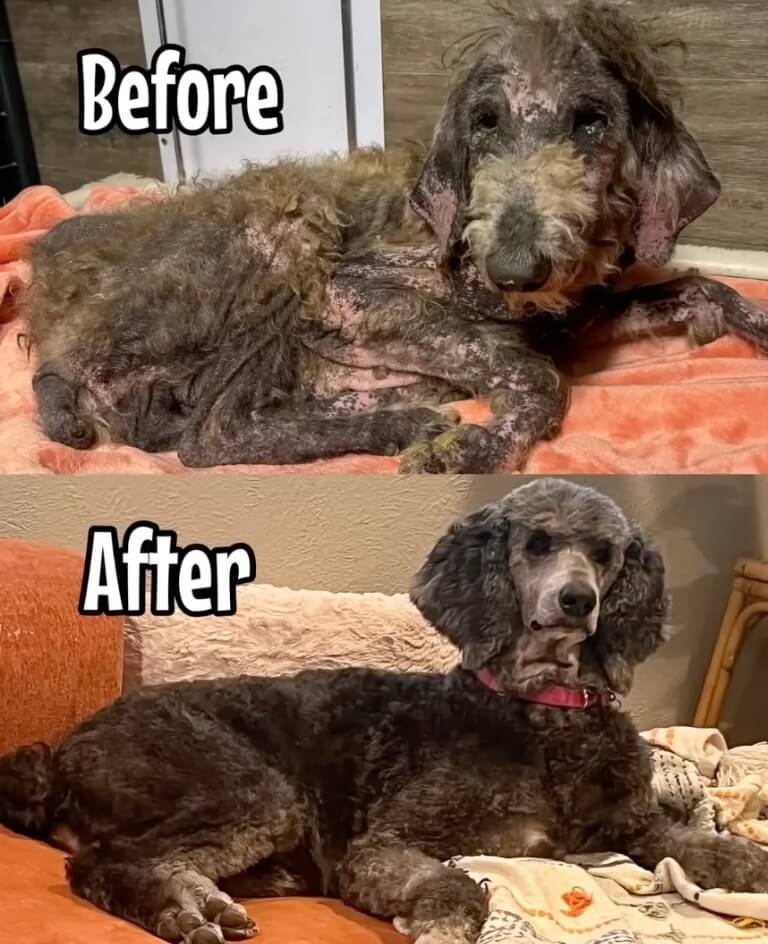
Cases like Babs’ are painful because mange is treatable. With veterinary care and steady commitment, most dogs recover well. The difference is patience.
If you ever see a dog with hair loss, inflamed skin, or extreme fear, pause before assuming aggression or hopelessness. Many of these animals are responding to pain or survival instinct.
Healing takes time. But it works when someone commits to it.
Babs chose food over fear on one desperate day. The people who found her chose patience over convenience.
That quiet exchange changed the direction of her life.
If her story moved you, share it. Someone else might need the reminder that patience, medical care, and steady kindness can turn survival into safety.
You may also want to read:
Abandoned and Hit by a Car, This Dog Refused to Eat Until Love Reached Him
After 11 Years of Loyalty, He Was Left Behind. Until a Little Girl Saw the Dog No One Else Did


