
Chiwi Could Barely Move Among the Garbage. Someone Stopped and Gave Her a Chance
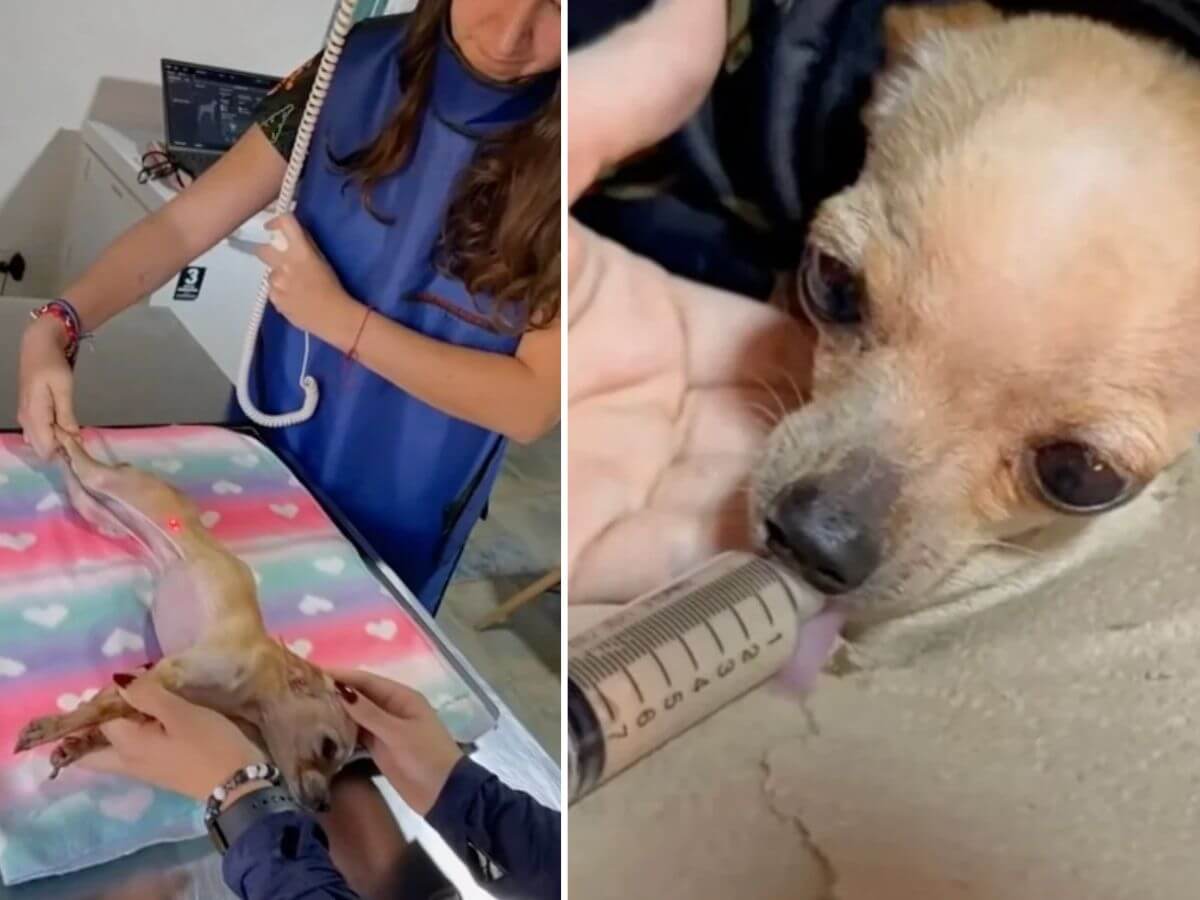
Chiwi lay among piles of garbage, so thin and weak that her little body barely moved.
A woman noticed her and stopped. No one knew how long she had been there, but she needed help immediately. After receiving first aid and showing a response, she was rushed to a veterinary clinic.
The rescue update reported serious problems involving her neck and several joints. Her care would require more tests, treatment and patience. Later, one piece of news brought relief to the people helping her. Chiwi’s condition had stabilized.
A Woman Noticed She Needed Help
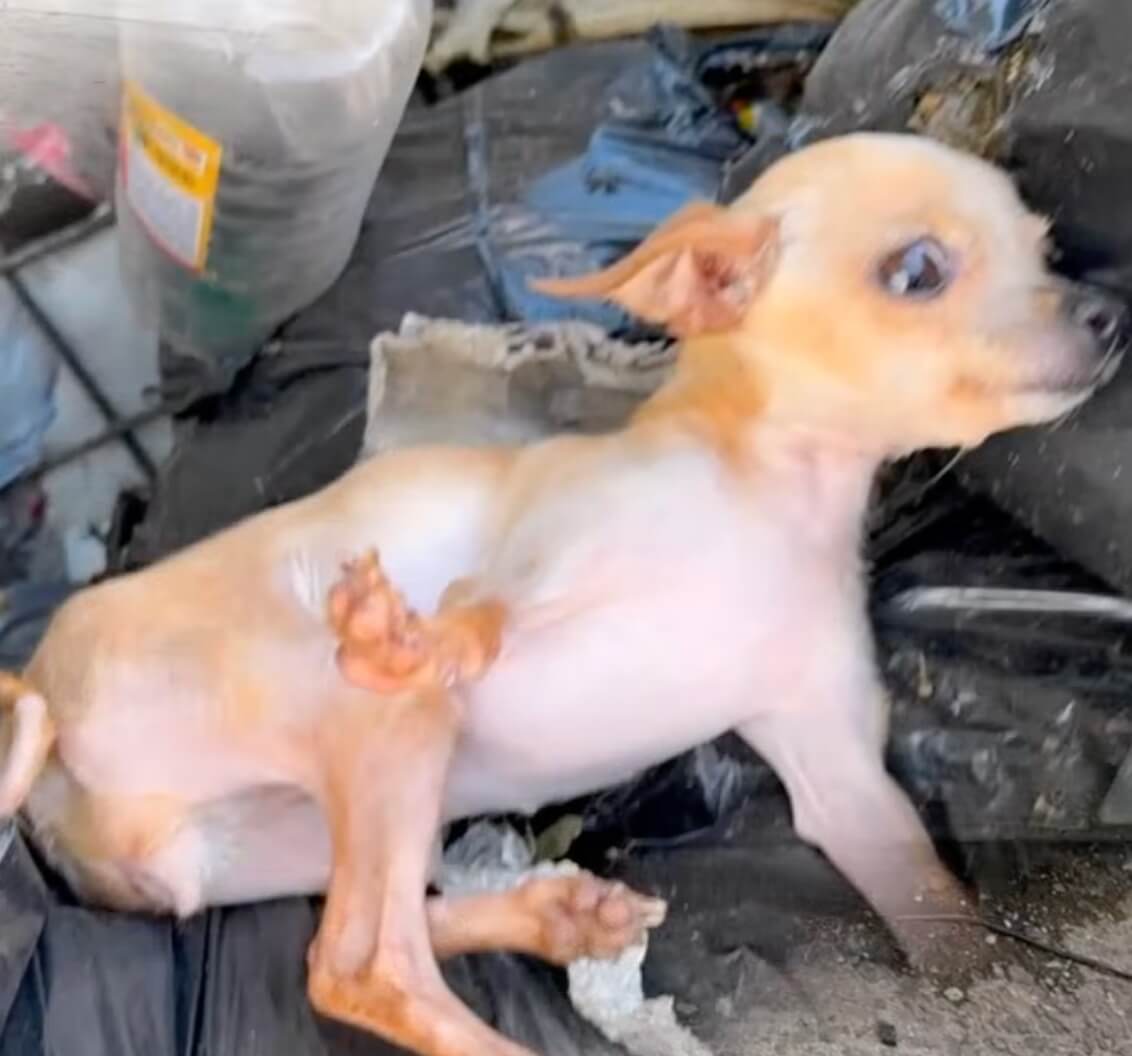
The account describes a puppy found among garbage, unable to move normally and weakened by malnutrition. The woman who noticed her feared that help might have come too late.
The rescuers began giving her first aid.
A response from Chiwi encouraged them to continue. They brought her to the clinic so the veterinary team could examine her and establish what she needed.
At the clinic, the team faced more than a puppy who needed food and rest.
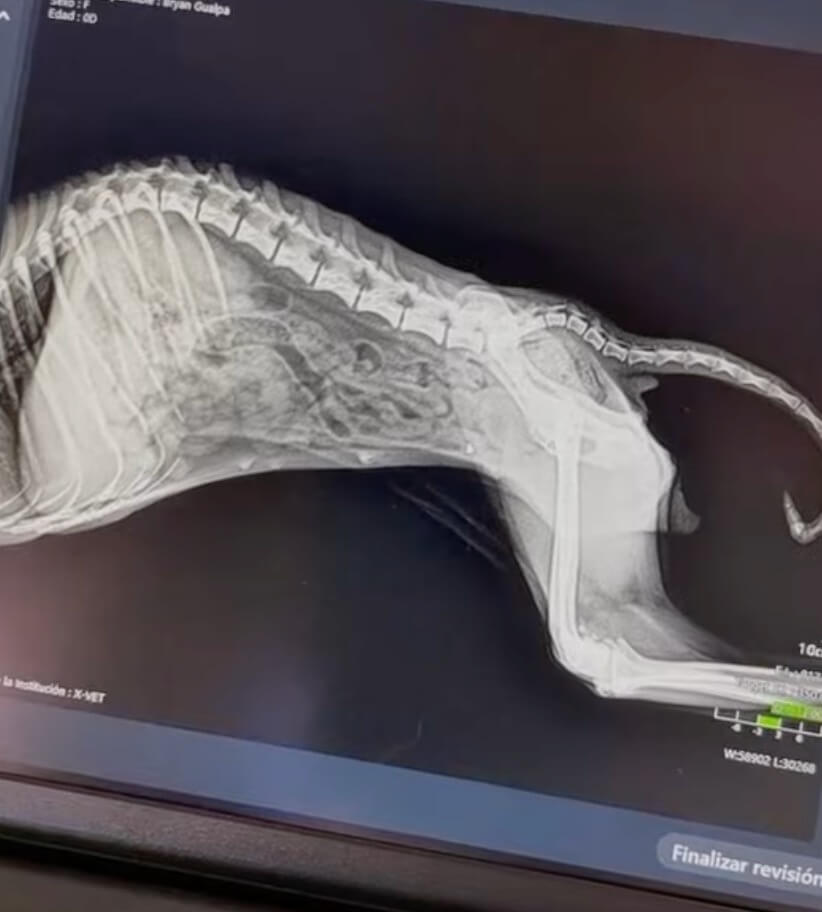
The rescue update reported a serious dislocation involving her atlantoaxial joint, near the top of her neck. It also described dislocations affecting several joints in all four legs, including her kneecaps.
Chiwi needed further assessment before anyone could offer a clearer picture of her recovery.
Her Neck Needed Careful Assessment
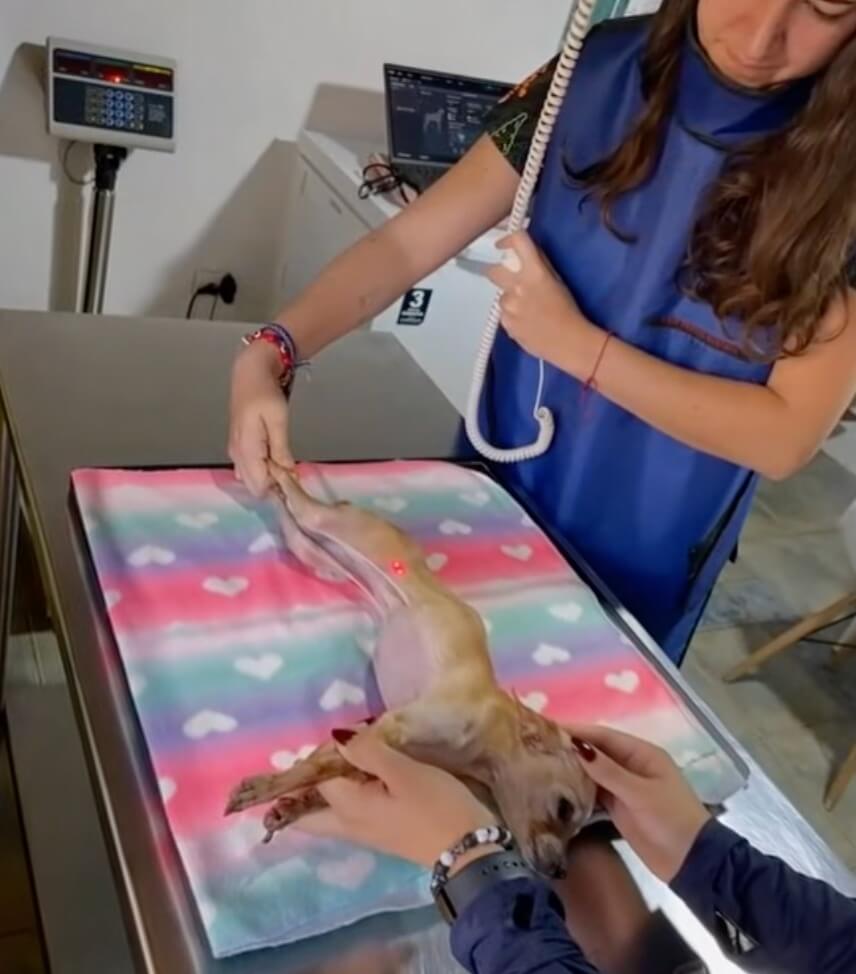
The reported neck problem made veterinary guidance especially important.
The atlantoaxial joint connects the first two vertebrae in the neck. Problems in this area can affect the spinal cord.
Explaining atlantoaxial instability generally, the American College of Veterinary Surgeons states, “This instability allows abnormal bending between the two bones, which causes compression of the spinal cord.”
For people helping a dog who cannot move normally or may have a neck injury, contact a veterinarian before attempting exercises, stretching or repositioning the neck. Ask how to handle and transport the animal safely.
Chiwi’s caregivers reported that additional examinations, including an MRI, were needed. Those examinations would help the team understand her condition and decide what treatment to recommend.
Her rescue had brought her into care. Finding the right way forward would take more information.
Her Thin Body Needed Support, Too
Alongside the joint problems, Chiwi was severely underweight.
The rescue account described muscle loss associated with malnutrition. Even small movements were difficult for her.
Her care had to consider her whole condition, including her nutrition and strength.
The American Animal Hospital Association explains, “Underweight patients often have loss of both body fat and muscle mass, yet BCS and MCS should still be scored separately.”
BCS means body condition score, while MCS means muscle condition score. These assessments help a veterinary team evaluate fat and muscle separately when planning and reviewing care.
For anyone helping a very thin rescue animal, ask a veterinarian for a feeding and monitoring plan. Weight is one part of the picture, alongside strength, comfort and any underlying medical problems.
Chiwi needed that attention while her team continued assessing her injuries.
The Rescue Became a Longer Commitment
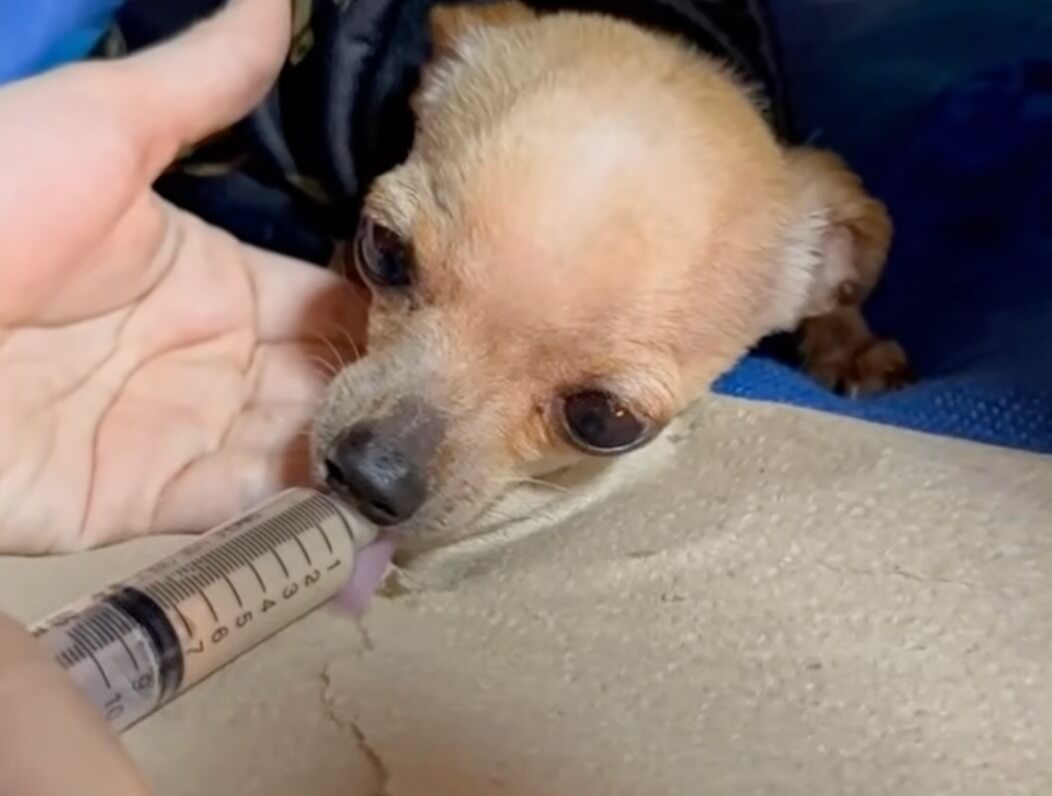
Getting Chiwi to the clinic was the first step. The people helping her then had to arrange the care that would follow.
The account describes mounting veterinary expenses and an appeal for public support. Further examinations, treatment and possible rehabilitation would require resources beyond the initial rescue.
Her caregivers continued taking responsibility for her one day at a time.
They were preparing for a long period of treatment and rehabilitation. Each stage would depend on her condition and the veterinary team’s recommendations.
For pet owners whose pets have mobility problems, rehabilitation needs to be matched to the diagnosis and stage of recovery.
VCA Animal Hospitals notes, “Rehabilitation therapy is usually safe when performed by trained professionals.”
Ask your veterinarian when rehabilitation should begin and which activities are appropriate. With a possible neck injury, get handling and movement instructions before trying to help your dog exercise.
For Chiwi, further assessment would guide those decisions.
Then Her Condition Stabilized
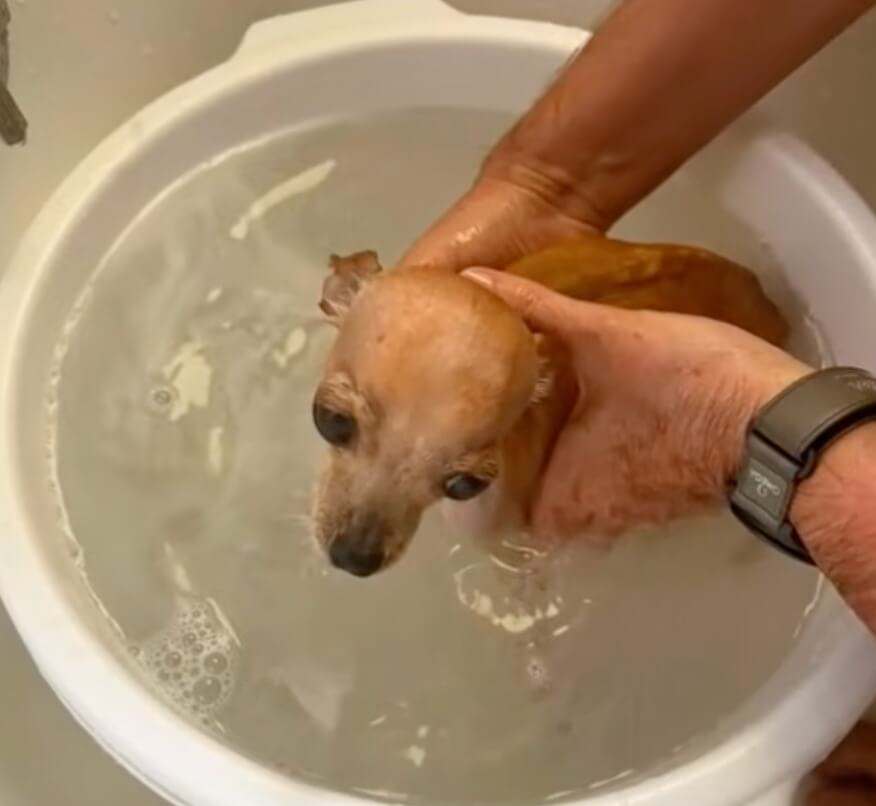
After the fear surrounding her arrival, the rescue account brought an encouraging update.
Chiwi had stabilized.
For the people who had found her barely moving, that was a meaningful change. She had survived the first stage of care and could continue receiving help.
Treatment and rehabilitation were still ahead.
Her caregivers continued planning for those needs, arranging examinations and seeking support.
They still faced uncertainty about her recovery. But Chiwi now had people following her progress and making sure her care continued.
She Had Help for What Came Next
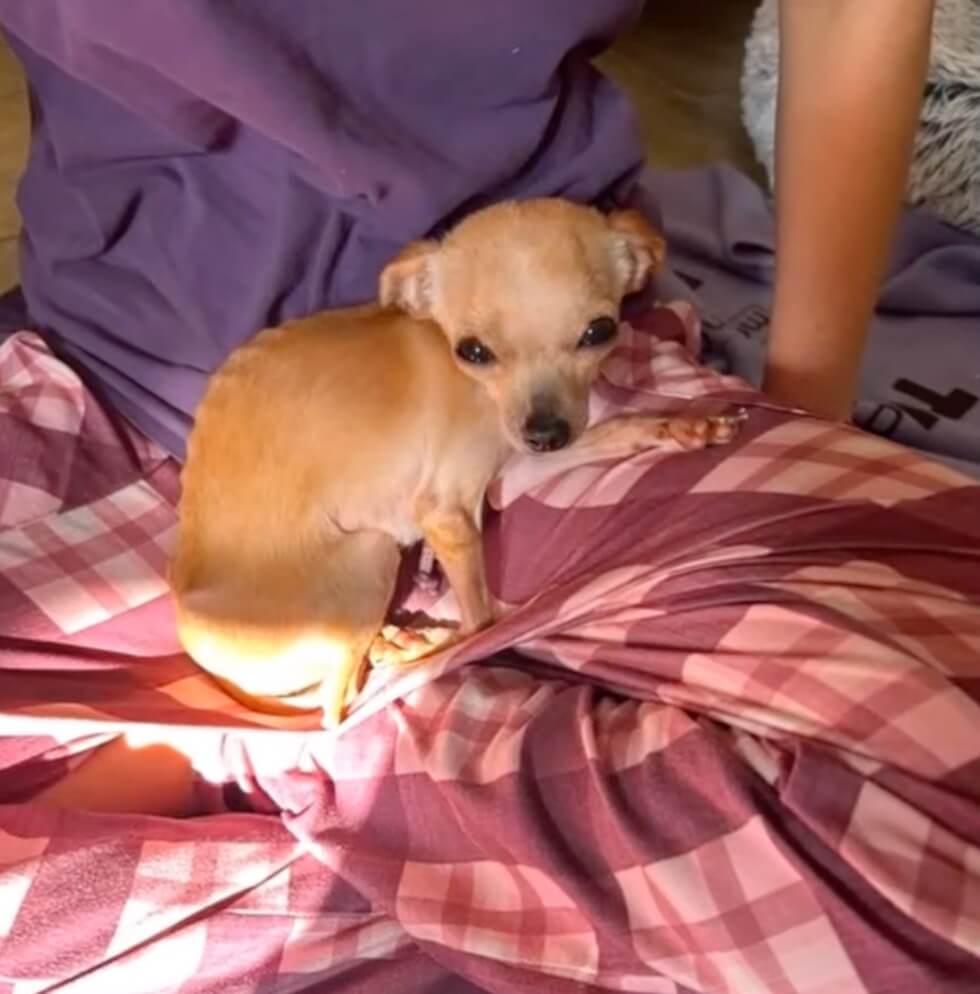
The latest update in the account described Chiwi as stable, with further treatment and rehabilitation ahead.
A woman had noticed a puppy among garbage and stopped. The people who followed brought Chiwi into care and stayed involved when the examinations revealed how much help she needed.
Her story closes at that point, with more care planned and people committed to providing it.
Chiwi still had difficult days ahead. She also had help beyond the place where she was found.
If her story touched you, consider sharing it to acknowledge the rescuers and veterinary teams who continue caring for animals when recovery is uncertain and the work is only beginning.
Also read:
After His Owner Died, Zooey Kept Returning to a Closed Door. Then Someone Gave Him a Place to Belong


