
After His Owner Died, Zooey Kept Returning to a Closed Door. Then Someone Gave Him a Place to Belong
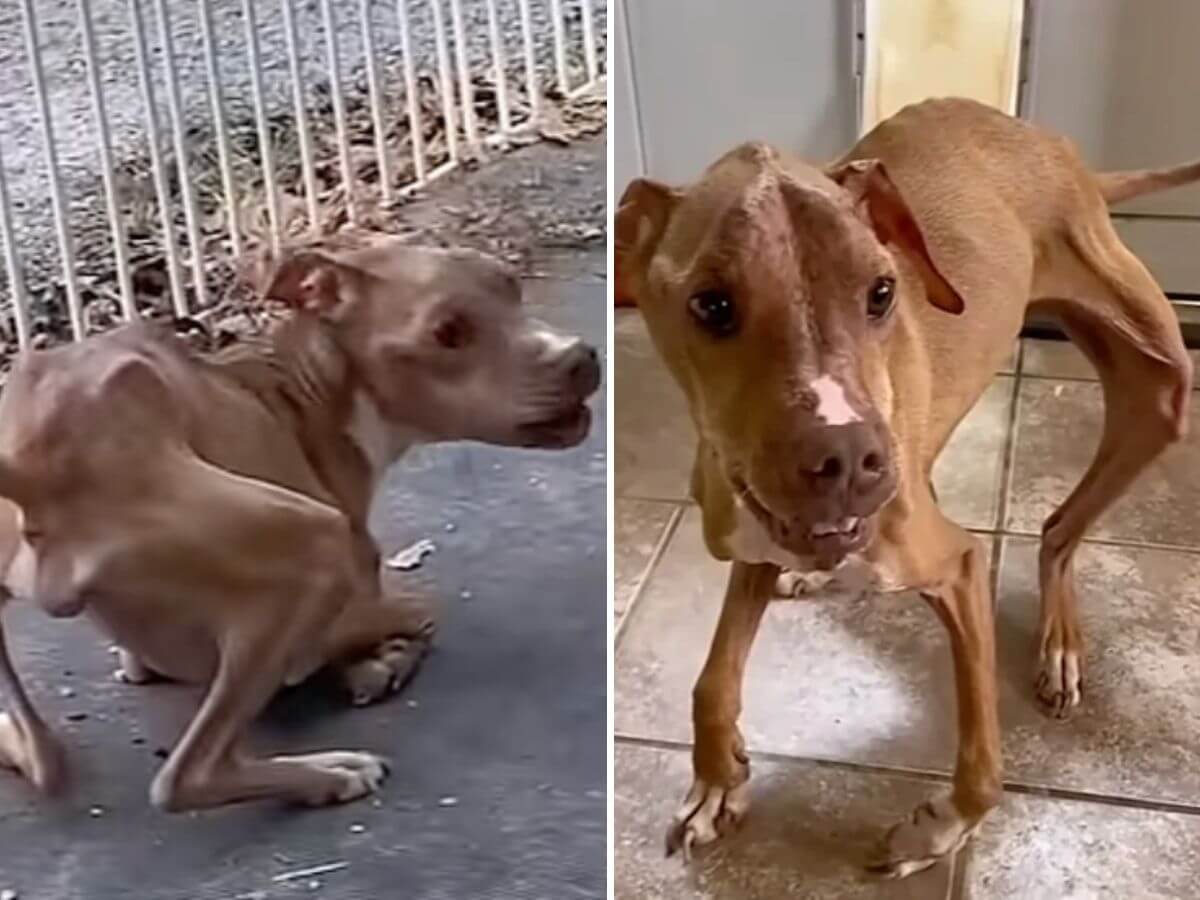
Zooey kept returning to the house where he had lived with the man who loved him.
Born with a disability that made standing and walking difficult, he had once been a cherished companion. After his owner died, the rescue account describes him waiting outside his former home, crying to be let back in.
Help eventually came after local people reported his situation. In the care that followed, Zooey began approaching people, playing and taking an interest in his surroundings. He still moved differently, but he no longer had to search for somewhere to stay.
He Had Lost His Owner and His Home
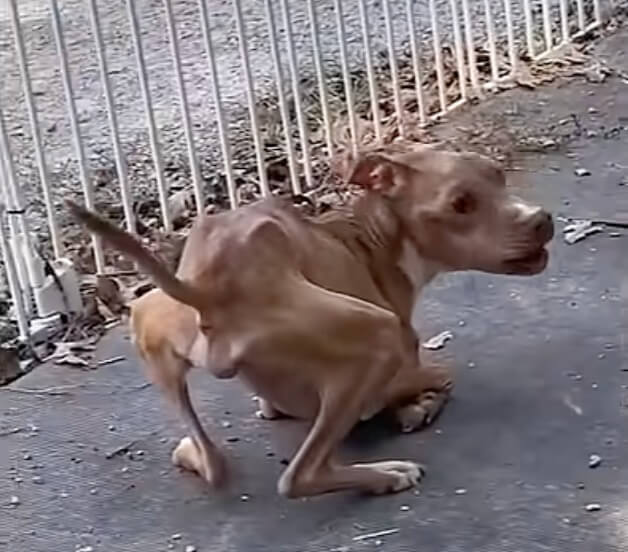
It describes an older owner who also lived with a disability and loved Zooey as his close companion. After the man’s death, Zooey was left without that familiar care.
The account says he repeatedly returned to the house and waited outside. It also alleges that the owner’s son abandoned him and that people threw water at him when he tried to return.
Local people eventually reported his circumstances, bringing him to the attention of rescuers.
When help reached Zooey, he was frightened and exhausted. His legs made movement difficult, adding to the challenges of being outside without dependable care.
He was brought to a shelter, where the immediate priorities were a meal, rest and somewhere safe to settle.
His New Caregivers Gave Him Time
A change of surroundings did not make Zooey comfortable overnight.
His caregivers stayed nearby while allowing him to become familiar with them. He had food and attention, but he also needed room to decide when he wanted contact.
For someone welcoming a frightened dog, that patience can be more helpful than repeated attempts to pet or hold them.
ASPCApro advises, “Give shy dogs time to approach at their own pace rather than moving toward them.”
Let the dog come closer, pause or move away. A quiet person nearby can offer company without making interaction a demand.
For Zooey, those daily encounters gradually became more familiar. The account describes him growing comfortable enough to follow his caregivers around.
He was beginning to take an interest in what they were doing.
His Days Became More Predictable
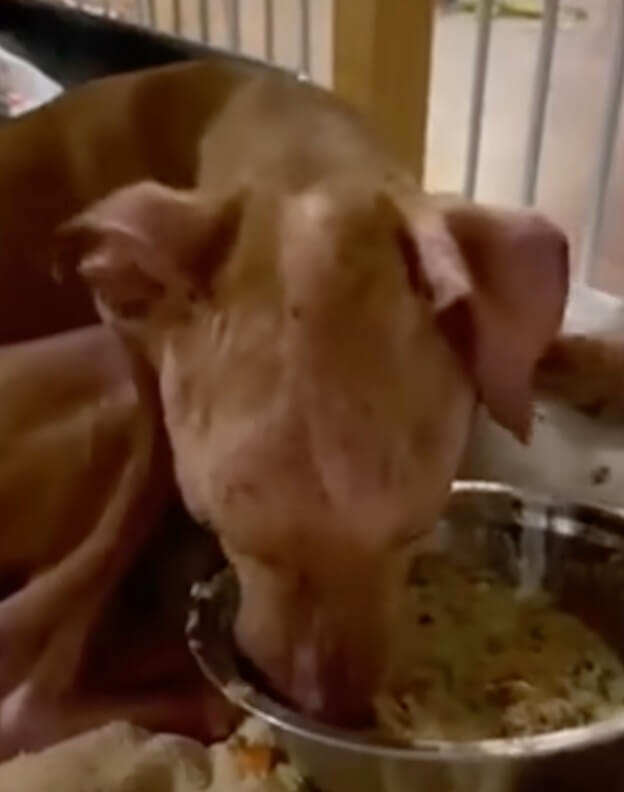
Meals, rest and attention became part of Zooey’s routine.
Instead of repeatedly returning to a place where he could not stay, he now had caregivers making space for him. They watched his progress and let him become accustomed to their presence.
For people bringing a rescue dog home, predictability is something practical you can offer from the beginning.
In its settling-in guidance, Dogs Trust recommends, “Create a routine and stick to it.”
Keep daily activities as consistent as you reasonably can, while following the rescue’s advice about the individual dog. Give them a quiet place to rest and allow time for their preferences to become clear.
Zooey’s growing curiosity was one of the changes his caregivers noticed. He began spending more time near them and showing a playful side.
There was more to his day than finding food and somewhere to rest.
Small Steps Became Part of His Care
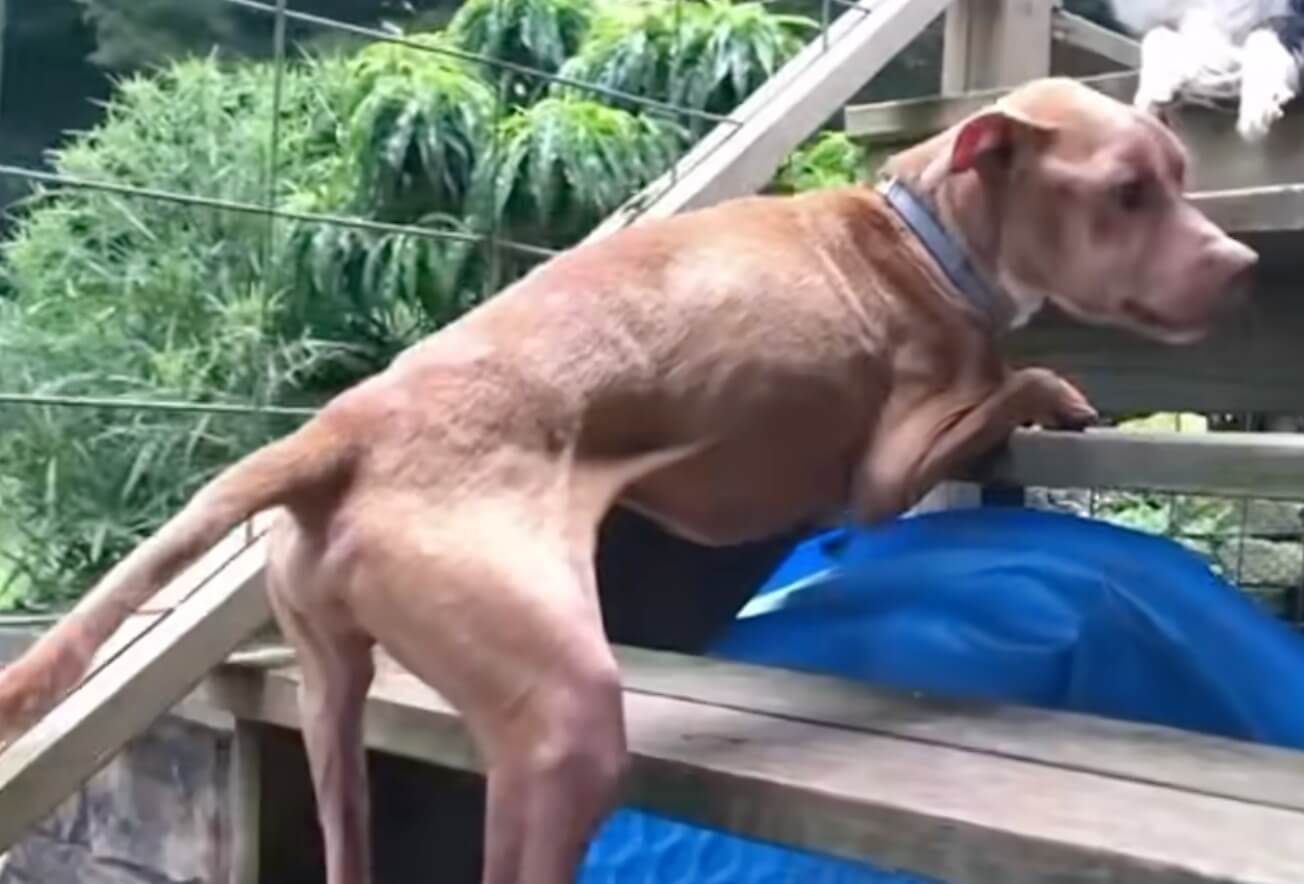
The rescue account also describes caregivers helping Zooey practice his movements.
Some steps were difficult. They encouraged him gently and allowed him to move at his own pace.
His disability remained part of his life. The progress described was about becoming more comfortable and active, rather than a claim that his legs had been corrected.
For anyone caring for a dog with limited mobility, a veterinary assessment should guide exercises and physical support.
VCA Animal Hospitals notes, “Rehabilitation therapy is usually safe when performed by trained professionals.”
Ask your veterinarian whether rehabilitation is appropriate and which activities are safe at home. Another dog’s movements or exercises cannot establish what your own pet needs.
Zooey’s account does not provide a diagnosis for his legs or describe a formal rehabilitation program. It does describe caregivers paying attention to his difficulties and celebrating what he could do.
Zooey Began Looking for Company
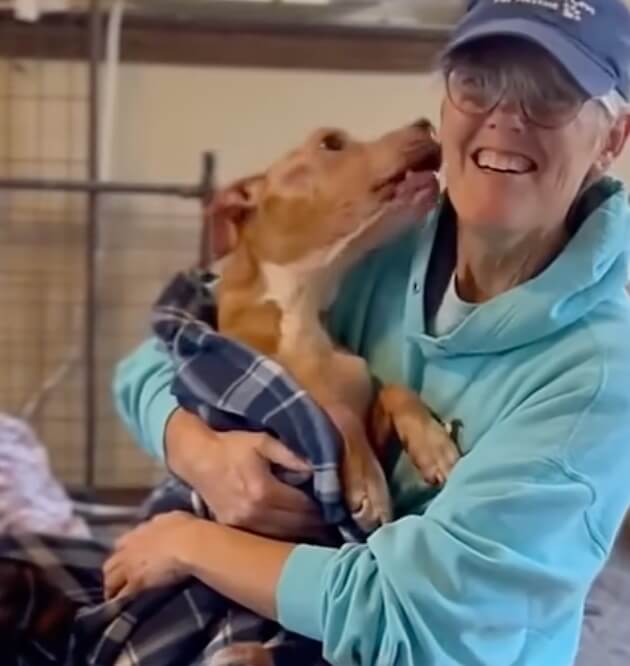
As he settled in, Zooey became more playful.
He investigated his surroundings, followed people and spent time with those caring for him. The account describes him becoming part of everyday family life.
Those moments changed the shape of his story.
Earlier, he had been described waiting outside his former home. Now, he had people who welcomed his company and noticed his progress.
He could move at his own pace and still join in. He could seek affection and receive it.
His caregivers did not need him to walk like another dog before giving him a place among them.
They Could Care for Him as He Was
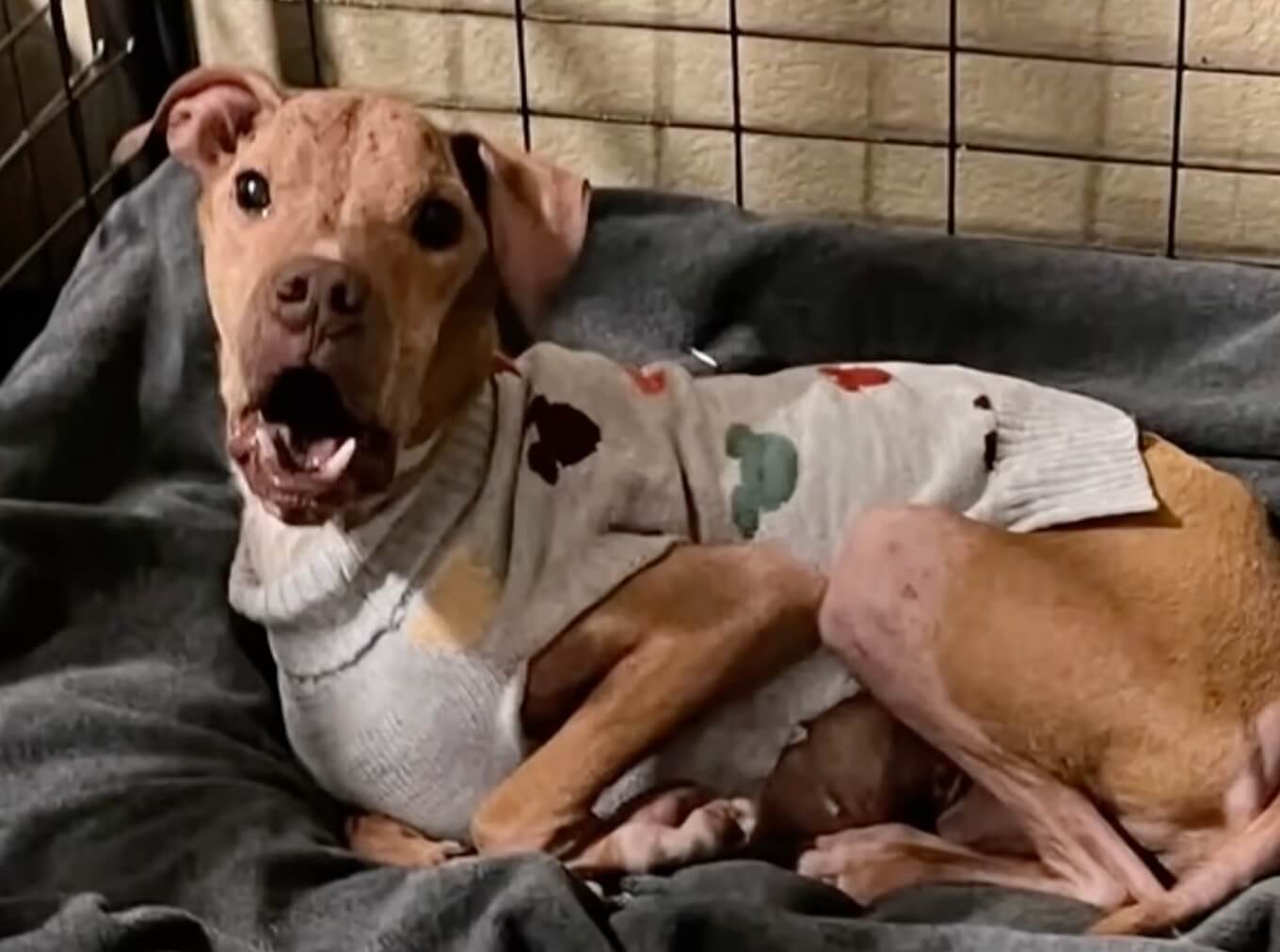
Near the end of the account, the focus returns to what Zooey’s caregivers could offer.
They could not change the way he had been born. They could give him attention, daily care and opportunities to enjoy himself.
There is no dated adoption announcement in the supplied account. Its ending describes Zooey playing, seeking company and belonging with the people caring for him.
His story had begun with the loss of someone who loved him. It closes with others willing to make room for him.
Zooey still walked differently. He also had things to investigate, people to follow and affection waiting when he approached.
If his story touched you, consider sharing it to help more people think about dogs who need continued care after their owners are gone, including those who move through life differently.
Also read:
Greta Was Found Tied to a Stake With No Food or Water. Months Later, She Was Running With Friends


