
She Was Found Curled Up in the Forest. Then Vets Discovered What Was Hiding Inside Her
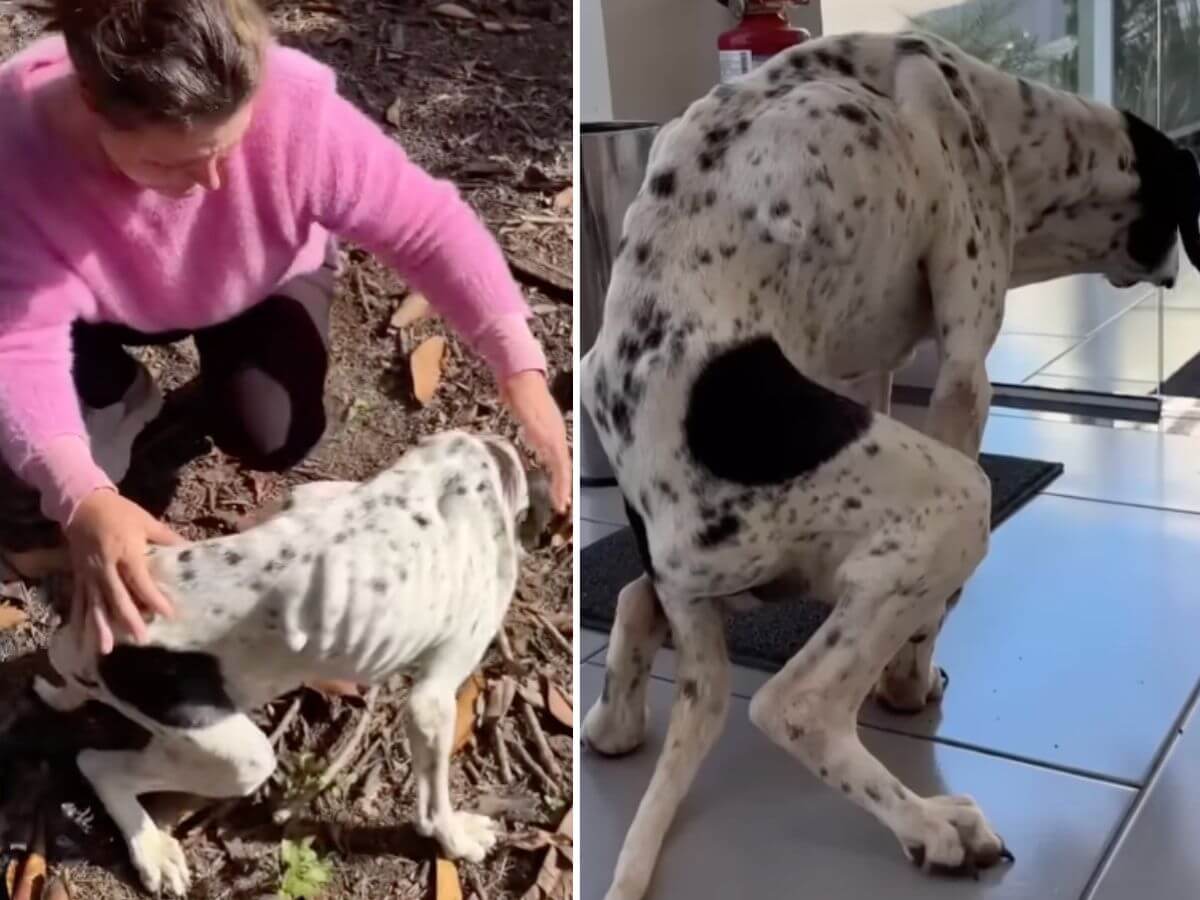
A dog later named Joana lay curled beneath a small cluster of trees deep in the forest, barely moving.
When rescuers from Patinhas em Apuros first spotted her, they immediately knew something was terribly wrong. Every rib pressed sharply against her skin. Her body looked frail and exhausted, as though she had been fighting a battle for far longer than anyone realized.
She wasn’t searching for food. She wasn’t trying to run.
She was simply lying there, weak and alone.
The thin trees above her offered little protection. The ground beneath her was bare. Even lifting her head seemed to require effort.
At first glance, it looked like another heartbreaking case of abandonment and starvation. Joana had apparently been left in the forest with no way to care for herself, growing weaker with each passing day.
But what rescuers and veterinarians would soon discover told a much different story.
Hidden inside Joana’s fragile body was a medical emergency so severe that doctors feared every passing hour could cost her life. The condition had already pushed her to the brink, and even the surgery needed to save her carried frightening risks.
The rescue team followed Joana through those uncertain days as veterinarians raced to uncover what was happening and give her a chance to survive.
What happened next would change everything.
The Dog Rescuers Found Beneath the Trees
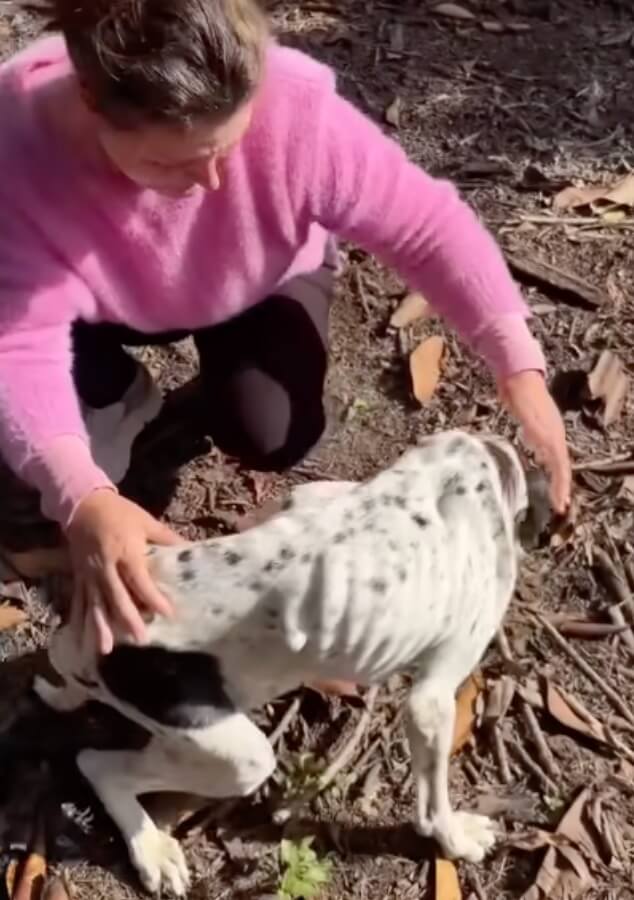
Joana’s condition was heartbreaking.
According to the rescue team, she had apparently been abandoned in the forest and left without food for days. She struggled to relieve herself and remained hunched over in discomfort. With each passing day, her condition appeared to be getting worse.
The moment stayed with the rescuers long after they reached her.
Recalling what they saw, one rescuer admitted, “I just couldn’t hold my tears seeing this.”
The words captured what the images already showed.
Joana looked exhausted. She looked defeated. Yet somehow she was still hanging on.
There was no time to waste.
Rescuers carefully wrapped her in blankets and rushed her to a veterinary clinic, hoping they had reached her before it was too late.
What Veterinarians Found Inside Her
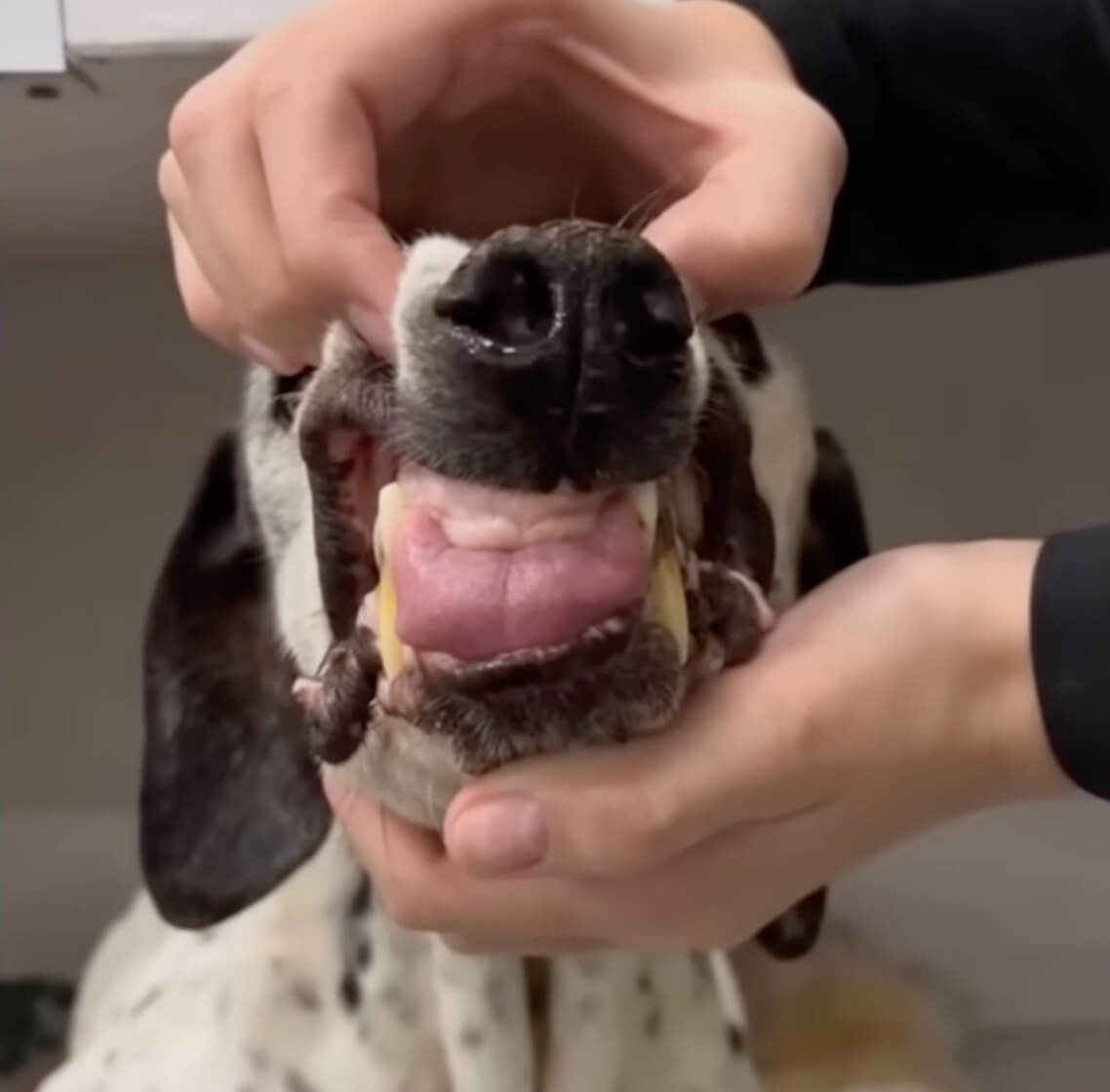
At first, nobody knew exactly why Joana had deteriorated so badly.
Her starvation was obvious. The cause behind her suffering was not.
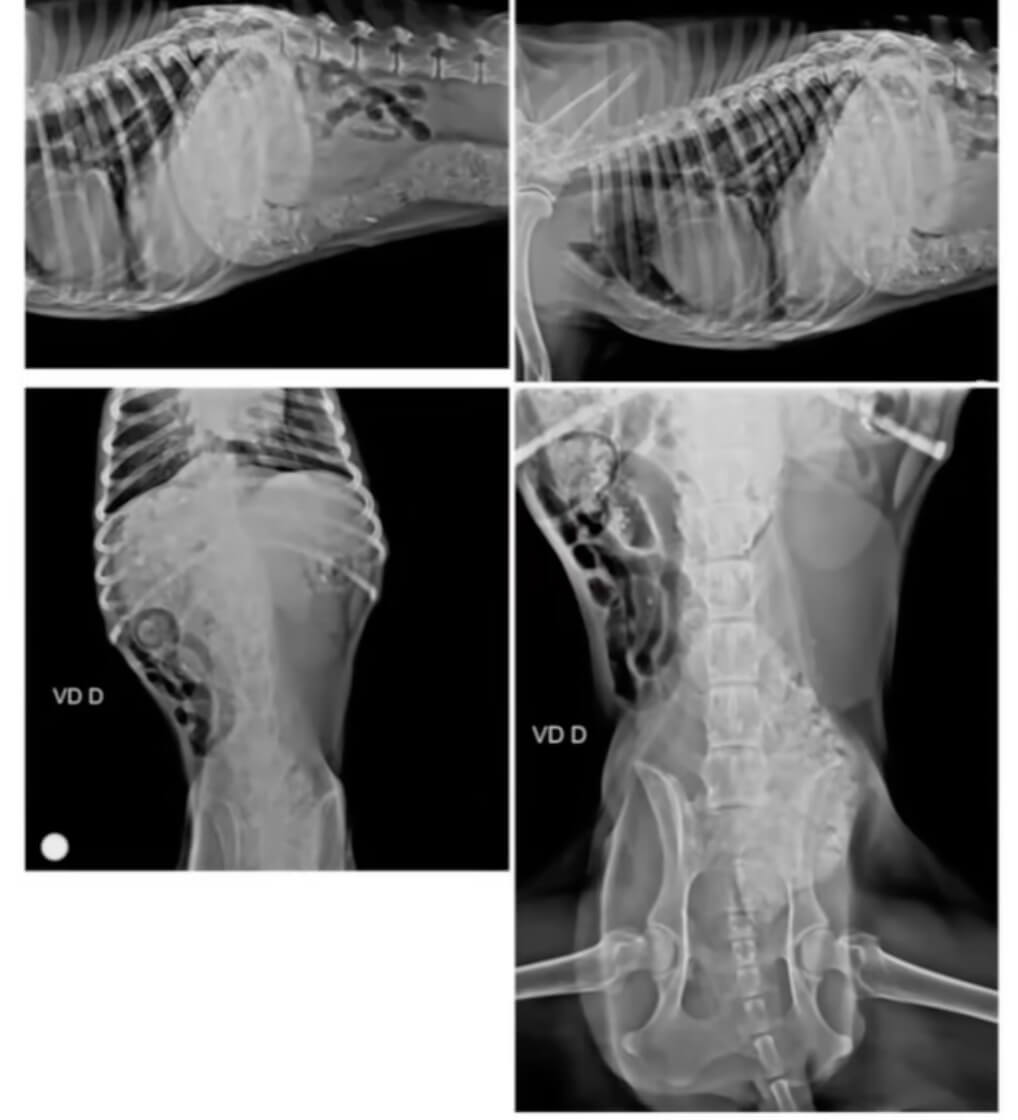
Veterinarians quickly began running tests, including an ultrasound examination. What they discovered changed the entire picture.
A tumor was sitting near the exit of her intestine.
The findings became even more alarming when X-rays revealed a massive buildup of hardened feces trapped inside her digestive tract. The blockage had become so severe that her intestine was at risk of rupturing.
Cases like this can become life-threatening very quickly. According to PetMD, “Dog intestinal blockages are serious medical concerns that require immediate veterinary attention.”
For Joana, immediate attention was exactly what she needed.
Waiting for her body to regain strength was no longer an option.
A Dangerous Decision
Joana was weak.
She was malnourished. She was dehydrated. Her body had already been pushed to its limits.
Yet delaying surgery carried its own danger.
Veterinarians feared the blockage could cause catastrophic complications if left untreated. The rescue team was told that the chances of losing her were high, but there was little choice.
That night, Joana rested at the clinic connected to fluids and surrounded by warm blankets.
The little dog who had spent days suffering alone in the forest was finally receiving help, but nobody knew whether it had come in time.
As rescuers waited through the night, all they could do was hope she would be strong enough to make it through the morning.
The Surgery That Could Save Her Life
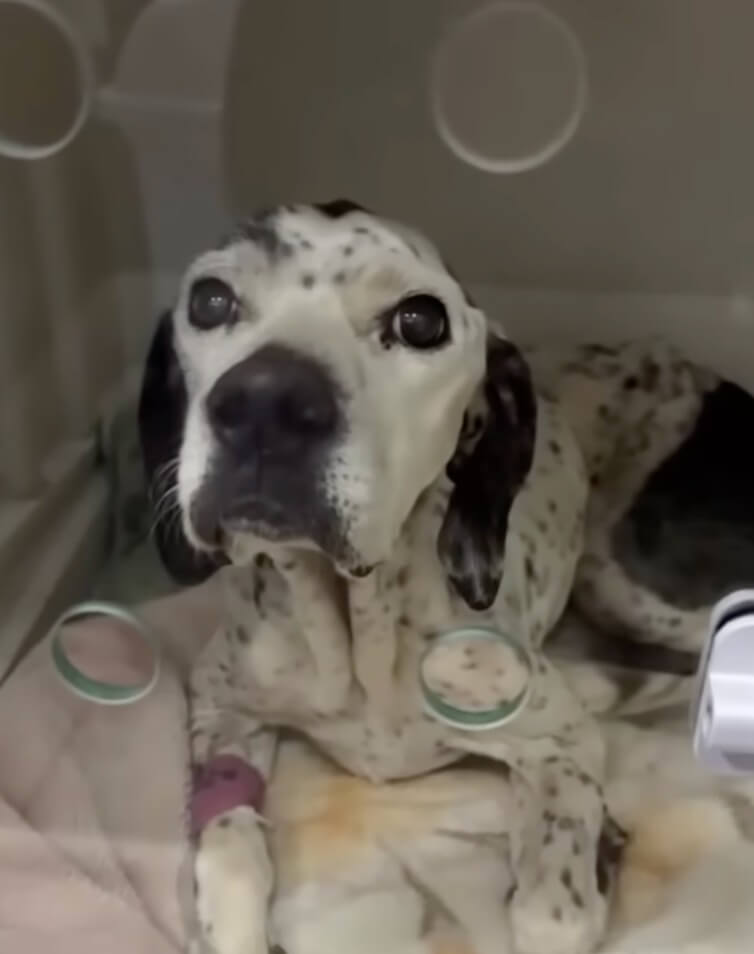
The following morning, surgeons began the delicate procedure.
Once they were able to see the extent of the damage, the seriousness of Joana’s condition became clear.
The tumor had nearly sealed off the end of her intestine.
Veterinarians worked carefully to remove the obstruction while protecting already fragile tissue. Every step required patience. Every decision mattered.
The symptoms Joana showed before her rescue closely matched what veterinary professionals often see in intestinal tumor cases.
According to VCA Animal Hospitals, “If your pet has a tumor of the large intestine, you may notice bleeding from the anus, blood in the stool, and it may be difficult for your pet to pass stools.”
For Joana, passing stool had become nearly impossible.
Hours later, the surgery finally came to an end.
The news everyone had been waiting for soon followed.
Joana was alive.
Small Victories Began Adding Up
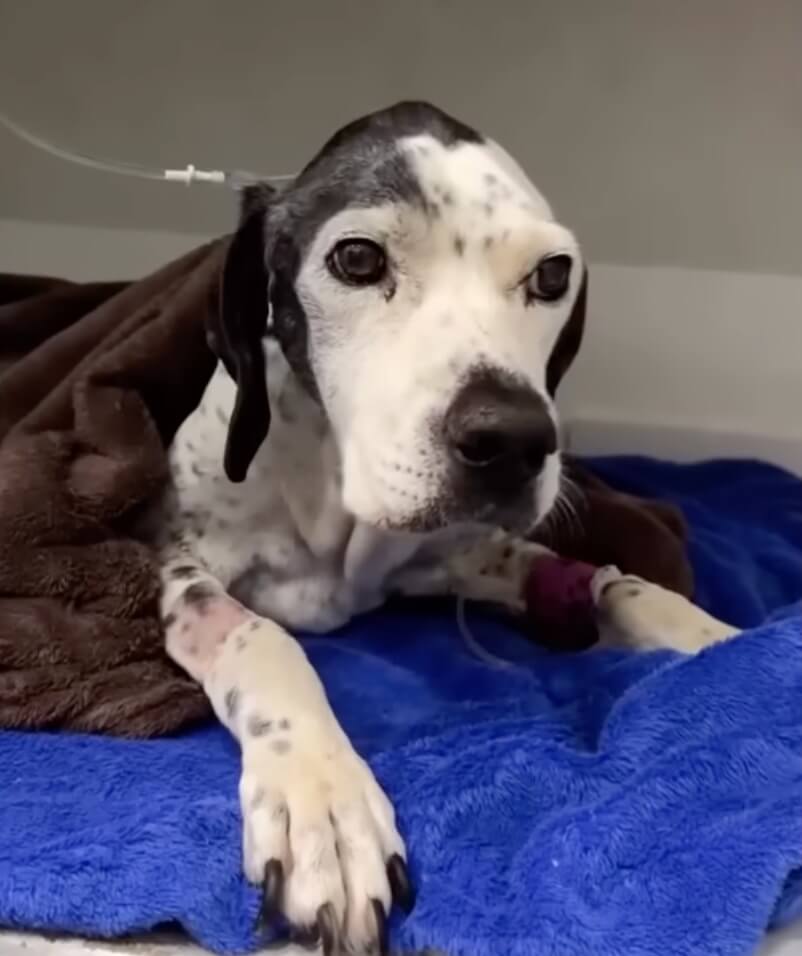
After surgery, Joana was moved into intensive care.
Her recovery wasn’t immediate.
Her body still had a long way to go.
The first days were filled with cautious optimism as veterinarians monitored her closely and watched for signs that her body was beginning to recover.
Then something encouraging happened.
She started eating.
The amounts were small. A few bites at a time. Slow progress by most standards.
To the people who had found her lying helpless in the forest, it felt enormous.
Each meal became its own small victory. Every bite meant her body was still fighting.
Only days earlier, Joana had been lying beneath those trees with a condition that was slowly shutting her body down.
Now she was standing, eating, and taking small steps toward recovery.
Her progress wasn’t dramatic.
It wasn’t instant.
But it was real.
The rescue team could finally see a future that had seemed impossible during those first frightening hours.
As her appetite slowly returned, rescuers shared a moment that reflected how much had changed since her arrival. They said, “For the first time since we rescued her, it felt like hope had finally entered the room with her.”
Why Cases Like Joana’s Matter
Looking at Joana when she was first rescued, it would have been easy to assume starvation was the entire problem.
The scans told a different story.
Her suffering had been caused by both neglect and a serious medical condition that required immediate treatment.
Animal welfare experts have long warned that neglect goes beyond abandonment alone.
The American Veterinary Medical Association notes that neglect “Usually results in a failure to provide the basic necessities of life: adequate levels of food, water, shelter, veterinary care, grooming, or sanitation.”
When dogs lose access to those basics, even conditions that might have been treated earlier can become medical emergencies.
Many animals also hide pain remarkably well. By the time symptoms become obvious, they may already be facing a serious health crisis.
That is one reason rescuers and veterinarians stress the importance of seeking help whenever an animal appears sick, injured, severely underweight, or unable to perform normal bodily functions.
Joana’s story shows just how quickly a hidden medical problem can spiral into a life-threatening situation when no one is there to intervene.
A Second Chance
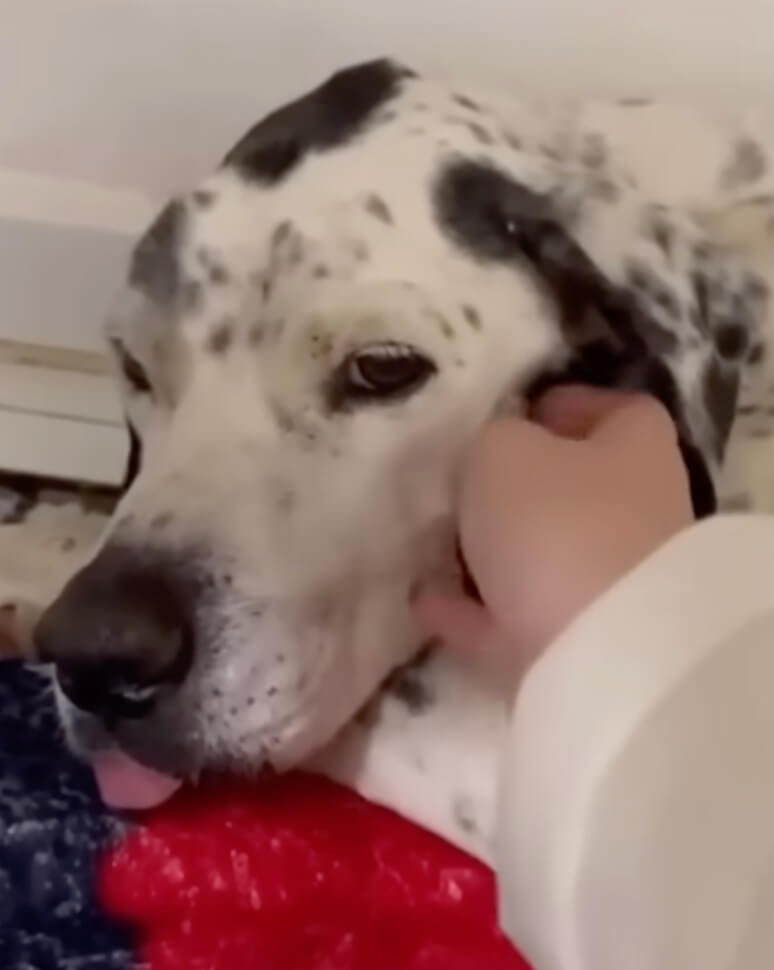
Joana’s recovery is still ongoing, but she has already come farther than many thought possible.
The dog who was once curled beneath the trees, too weak to move, is now receiving the medical care she desperately needed.
Only days earlier, she had been lying alone in the forest with almost nothing left.
Today, she is eating, recovering, and surrounded by people who refused to give up on her.
Her future remains unwritten.
What has changed is that she finally has the opportunity to experience one.
If Joana’s story touched your heart, consider sharing it so more people can see the difference rescue, compassion, and timely veterinary care can make for animals in need. Her latest updates are waiting in the comments.
Also read:
Everyone Thought She Was About to Give Birth—They Were Wrong
Dotty Barely Wagged Her Tail Until Rescuers Learned What She’d Been Hiding


