
Kong Could Barely Move When Help Arrived. Slowly, His Playful Side Came Back
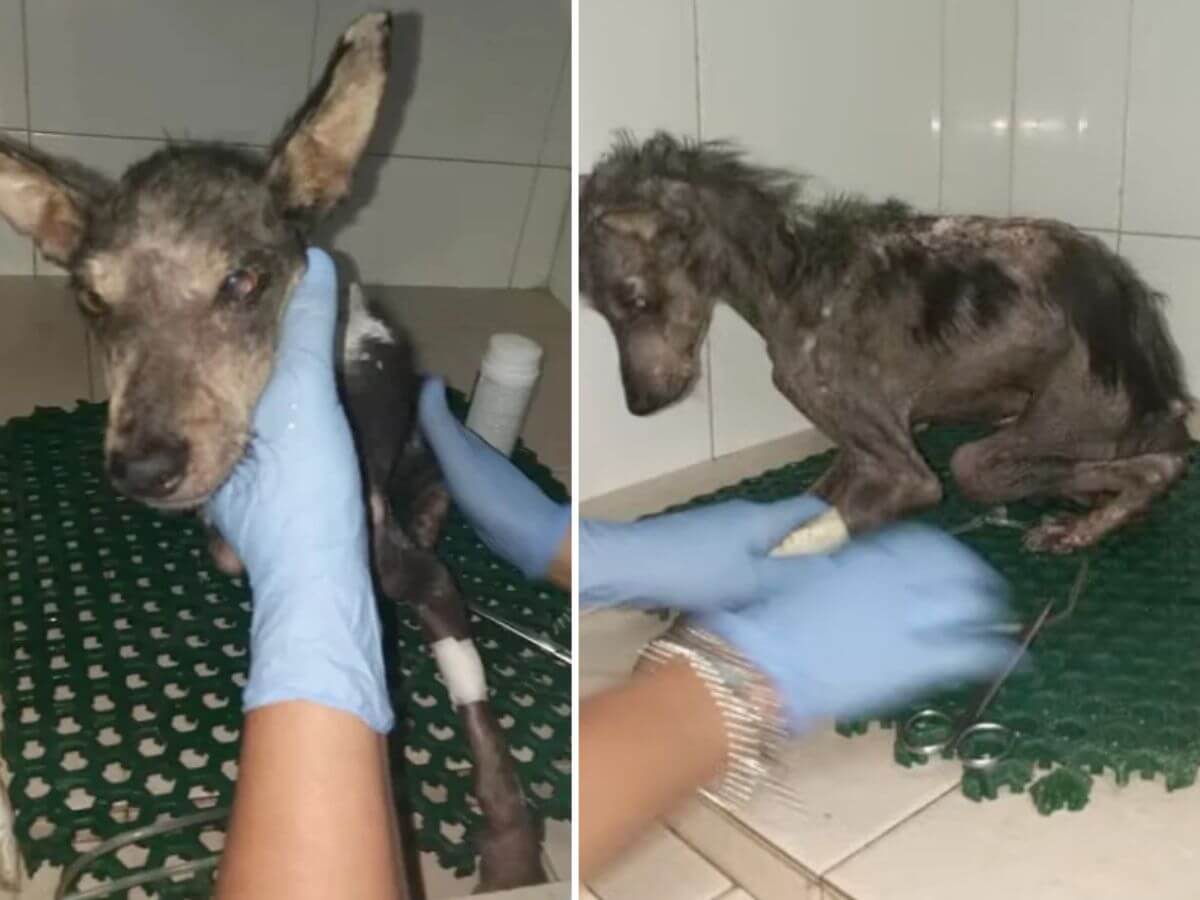
Kong was severely underweight and so weak that he could barely move. His coat was dull and patchy, and he needed veterinary attention.
The people helping him brought him to a clinic. Food, treatment and daily care began replacing the conditions described at the start of his rescue.
Progress came gradually. As Kong regained strength, his caregivers began seeing more than a dog who needed help. They were getting to know his gentle, playful side.
Getting Kong Into Care
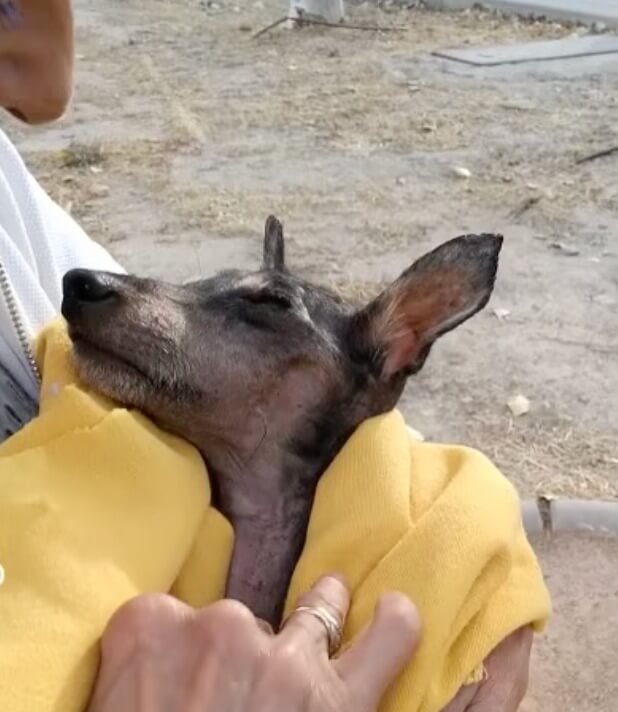
By the time help reached him, he was exhausted and malnourished. Getting him to a veterinarian became the immediate priority.
At the clinic, Kong could receive attention beyond a meal and somewhere to rest. His weakened condition needed assessment, treatment and continued monitoring.
For people helping a severely underweight dog, veterinary advice should guide feeding from the beginning.
ASPCApro states, “Animals with unique nutritional needs, such as emaciated or obese animals, should have a diet formulated with veterinary input.”
Ask what food to offer, how much to give and when the animal should be checked again. A hungry dog may need a feeding plan that accounts for more than appetite.
Kong was now receiving medical care and nourishment. The work of helping him regain strength continued after that first clinic visit.
Recovery Came Through Daily Care
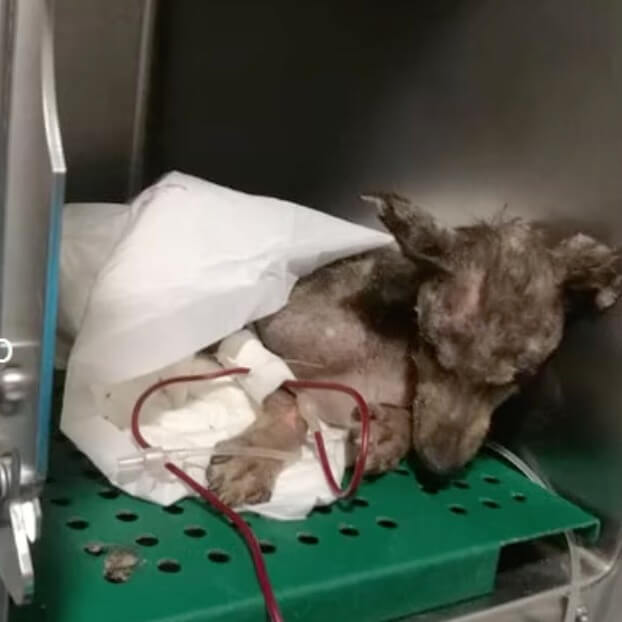
The early updates describe Kong struggling to move. As the days passed, the account began reporting improvement.
He gained weight, his coat grew thicker, and he became more active.
Those changes developed over time. There was no single moment when his caregivers could set aside every concern and declare the work finished.
For anyone caring for an underweight pet, weight gain is only one part of following recovery.
The American Animal Hospital Association explains, “Underweight patients often have loss of both body fat and muscle mass, yet BCS and MCS should still be scored separately.”
BCS means body condition score, which assesses body fat. MCS means muscle condition score.
Ask your veterinarian how they will assess both during follow-up visits. That can help you understand progress alongside changes in your dog’s weight, comfort and movement.
For Kong’s caregivers, improvement was becoming easier to notice. As his strength returned, he had more energy for the people around him.
His Gentle Nature Began Coming Through
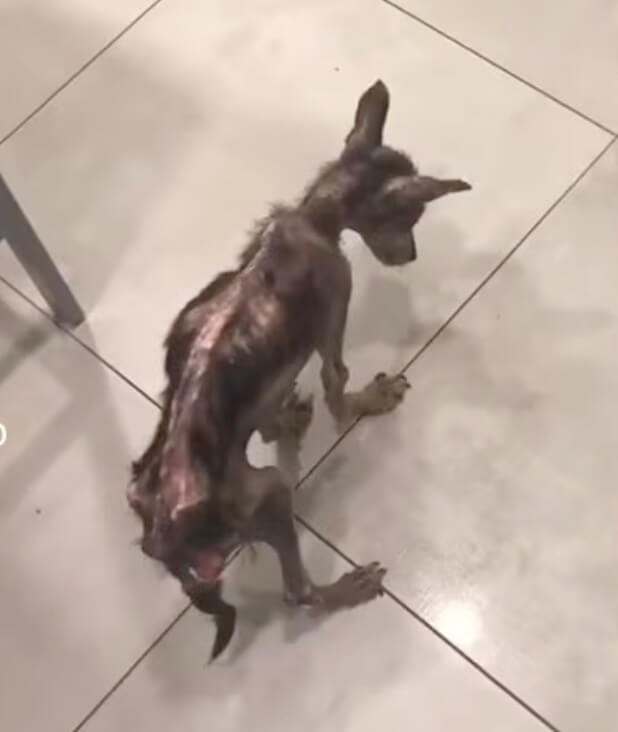
Later updates describe Kong as friendly and playful.
The people who had first met him exhausted and weak were now seeing how he enjoyed company. Alongside the responsibility of caring for him, there were opportunities to spend time with him and get to know him.
His needs had brought people to his side. His personality gave them more to discover as they stayed involved.
Play became part of his days. So did the company of people who were paying attention to him.
Let Comfort Develop Without Pressure
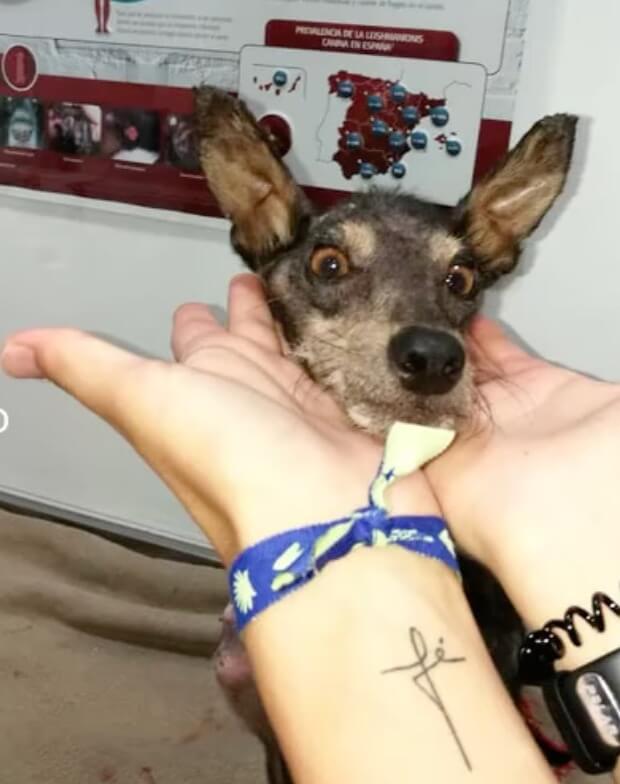
Kong’s growing friendliness is encouraging. Another rescued dog may need longer before approaching people or seeking affection.
If you are welcoming a dog after a difficult period, allow time for unfamiliar rooms, voices and routines to become comfortable.
In its settling-in guidance, Dogs Trust advises, “Allow them to spend time on their own without disruptions and come to you when they are ready.”
Provide a quiet resting space and follow the veterinary team’s advice about activity. When your dog approaches, leave room for them to pause or move away.
You don’t need to turn every interaction into a cuddle. Sitting nearby without asking for contact can give a cautious dog time to become familiar with you.
Kong’s later updates describe an increasing interest in company and play. His caregivers were seeing a different daily life take shape.
Kong Today

The latest account describes Kong gaining weight, growing a thicker coat and enjoying time with people.
His caregivers were getting to know the playful dog whose strength had slowly returned. The attention that began with urgent medical needs had continued long enough for those moments to emerge.
At first, Kong could barely move. Later, there was energy for activity and interest in the people around him.
That progress came through food, medical care and people continuing to look after him.
If Kong’s story touched you, consider sharing it to acknowledge the caregivers and veterinary teams who stay involved through the slow days of recovery.
Also read:
Anow Was Too Weak to Stand. A Plumber’s Discovery Helped Bring Him Home


