
A Little Dog Waited Alone on a Rooftop Until Someone Came to Carry Him to Safety
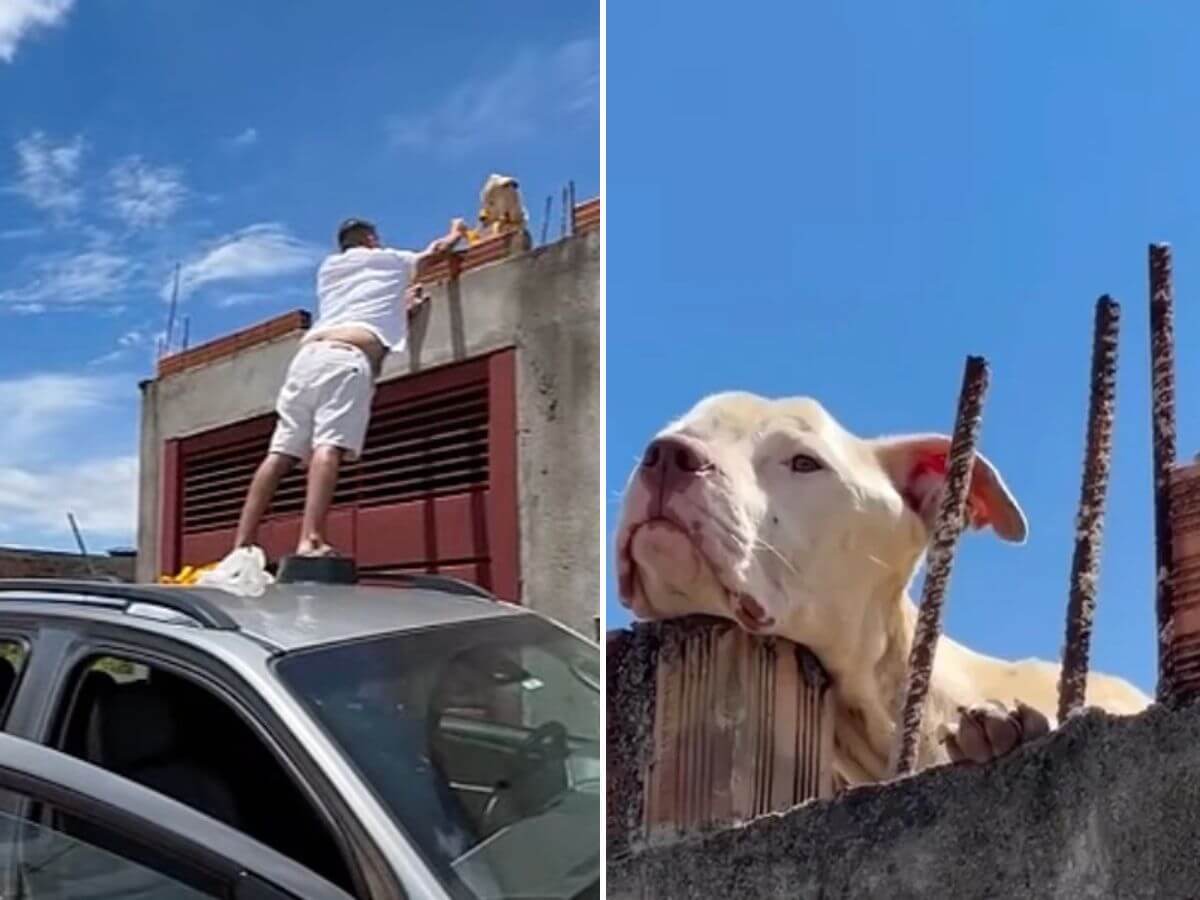
The little dog was still on the rooftop when help arrived. He was thin, weak and alone, and the rescuer below couldn’t immediately reach him.
When food was offered within his reach, he moved closer and began eating.
The visit would end with him being carried to safety and taken to a veterinarian. But first, the person who had come to help needed to find a way to get him down.
A Call Brought Someone to the House
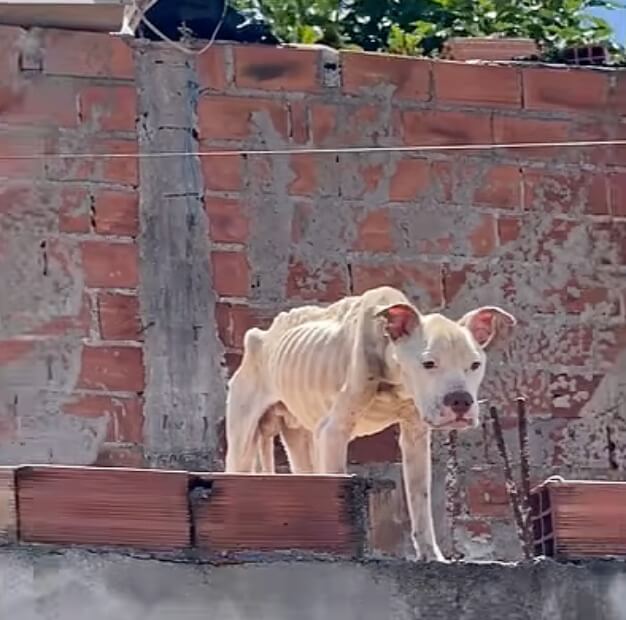
The rescue account is credited to Cleitin Mil Graus and shared through narration on the FurEver Home YouTube channel. It began with a call about a little dog left on the rooftop of a house without proper food or care.
The rescuer went to the property and found him visibly underweight. According to the narration, inadequate nourishment had left him weak.
Reaching the house was only the beginning. The rescuer tried to get someone inside to respond.
According to the rescue narration, “I hurried to the front door and knocked several times, but nobody answered.”
The rescuer waited and tried again. Still, no one came to the door.
Above, the little dog remained on the rooftop.
The call that brought help is also a useful reminder for anyone who sees an animal in a concerning situation. You don’t have to know every detail before asking the appropriate local agency where to report your concerns.
The ASPCA advises, “If you are unsure who to contact, you can contact your local police or animal control to find out”. This guidance applies to readers seeking help in the United States.
At this house, the unanswered door left the rescuer looking for another way to reach the dog.
He Found the Strength to Move Toward Food
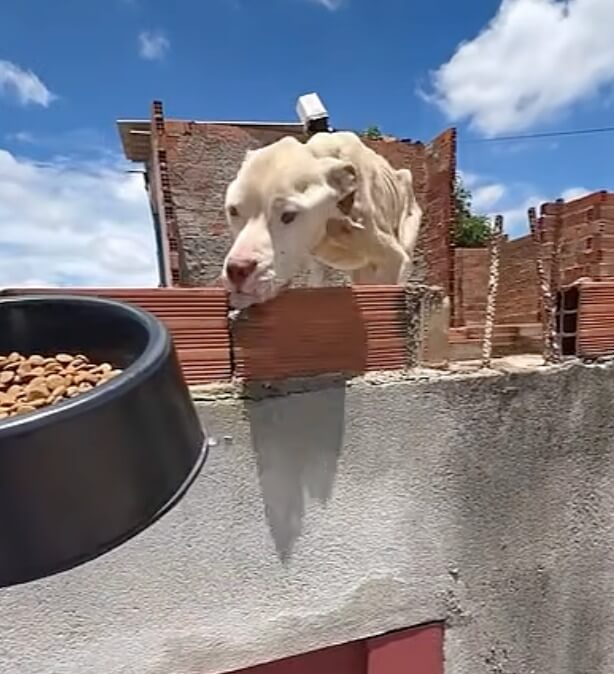
The rescuer climbed onto a car to get close enough to offer him something to eat.
Despite his weakness, the dog approached the food and ate eagerly. His response made his hunger clear to the person trying to help him.
For a moment, the rescuer could give him something he needed. But the meal didn’t change where he was or what would happen once it was finished.
Leaving food would still mean leaving the dog on the rooftop.
The rescue narration described the feeling behind the decision to do more, “I simply couldn’t leave him there to face his fate alone.”
The rescuer gently lifted him and carried him down.
According to the account, the little dog stayed calm and did not resist. After the unanswered knocks and the effort to reach him, the departure was quiet.
He was placed inside the car, and the rescuer took him to a veterinarian.
A Veterinary Visit Helped Establish What He Needed
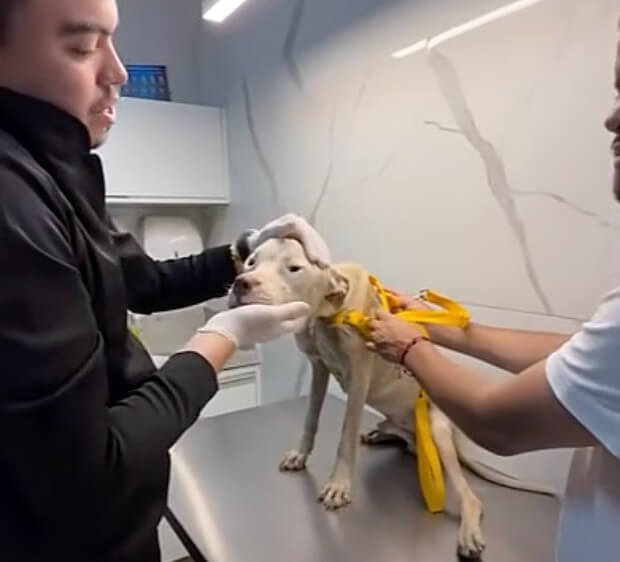
The little dog received an examination. The narration reported that his severe thinness was attributed to inadequate food and care, with no other illness found during the visit.
That was hopeful news. He still needed continued care to regain the strength he had lost.
For readers caring for an underweight pet, this is where a veterinary assessment matters. An animal’s weight tells only part of the story.
The American Animal Hospital Association notes, “Underweight patients often have loss of both body fat and muscle mass, yet BCS and MCS should still be scored separately.”
BCS means body condition score, while MCS means muscle condition score. These assessments help a veterinarian evaluate fat and muscle separately when deciding what care a pet needs.
For the rooftop dog, getting down had removed him from the situation that prompted the call. The examination was the next step toward helping his weakened body recover.
Care Would Continue Beyond the First Meal
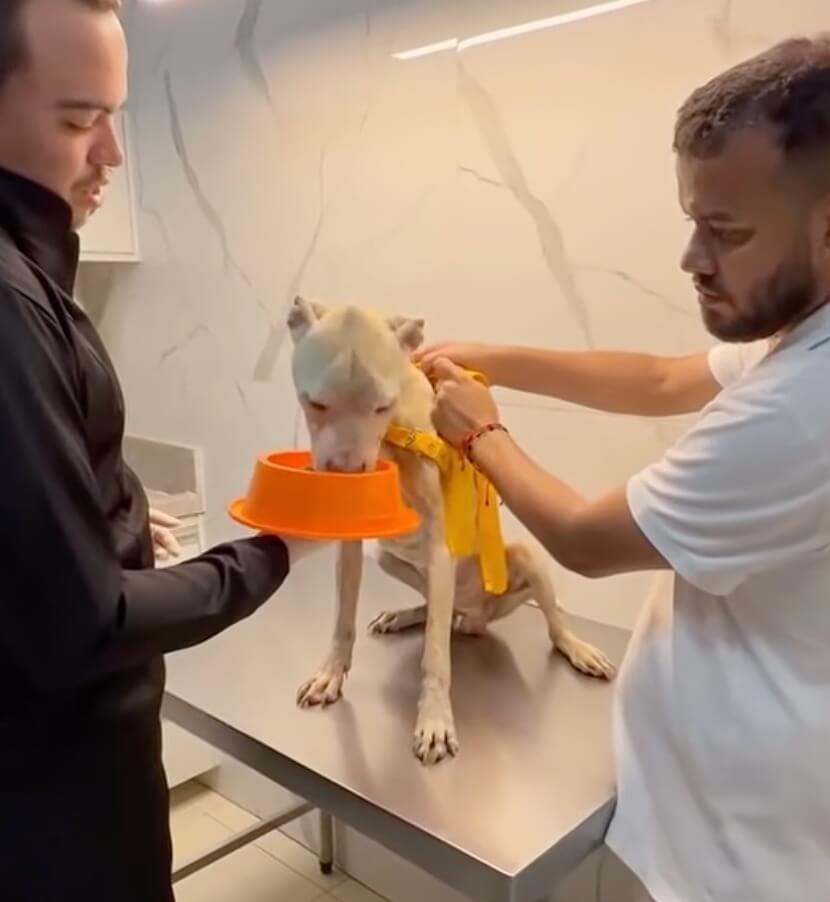
The rescuer committed to helping him grow stronger and giving him affection and protection.
That promise extended beyond the food offered at the house. After inadequate nourishment, an animal may need a feeding plan guided by a veterinarian.
In its guidance about refeeding syndrome, MSPCA-Angell explains, “Animals that have been historically malnourished or those that have had minimal caloric intake for a number of days are at risk.”
For someone helping a severely underweight animal, the practical lesson is to seek veterinary advice about feeding. A hungry animal’s eagerness to eat doesn’t tell you how much food its body can safely handle.
This is general care guidance. Refeeding syndrome was not reported as a diagnosis in the rooftop dog’s account.
After the examination, the rescuer promised to keep caring for him as he regained his strength. The account closes with that commitment.
He No Longer Had to Wait Alone
The little dog’s story began with someone making a call and another person going to see what was wrong.
When no one answered the door, the rescuer kept trying to reach him. When the dog came toward the food, the encounter became more than a feeding visit.
By the end of the account, he had been carried down, examined by a veterinarian and given a promise of continued care.
He had needed someone to reach him. Someone did.
If his story touched you, consider sharing it to acknowledge the people who answer rescue calls and help animals get the care they need.
Also read:
Shakthi Kept Moving Away From Help. Her Rescuer Stayed Until She Could Carry Her to Safety


