
Magma Couldn’t Stand in the Hot Sun. Ten Days Later, One Meal Brought Hope
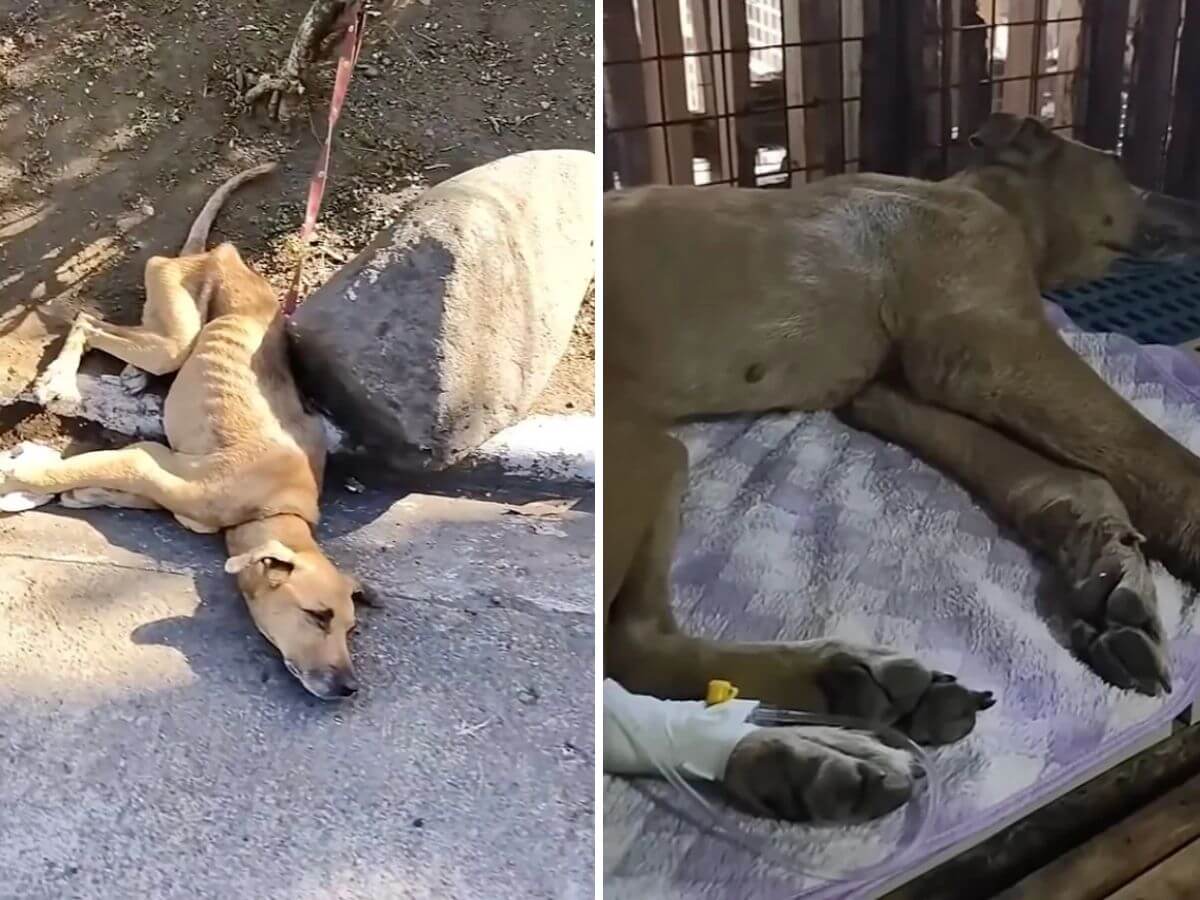
Magma was tied up in the midday sun, unable to stand. His front legs were swollen, he appeared to be in pain, and he showed no interest in food.
Several people had reported his situation. When rescuers reached him, they knew he needed veterinary help immediately.
Getting him into care was only the beginning. Over the following days, something as ordinary as eating a meal would become a moment his caregivers had been waiting for.
The Reports Brought Someone to His Side
The account begins with repeated reports about a dog tied outdoors in the heat. Rescuers went to help that noon and found him struggling.
His swollen front legs and inability to stand were immediate concerns. When they offered food, he wasn’t interested.
Those reports brought people to a dog who could not simply get up and leave.
For people finding an animal distressed in hot weather, contact a veterinarian promptly. If overheating is suspected, begin cooling while arranging help.
In its heatstroke first-aid guidance, PDSA advises, “Move your pet indoors to a cool room or into the shade”.
Magma’s account does not establish a heatstroke diagnosis. His pain and difficulty standing were already enough to make veterinary attention urgent.
An X-Ray Helped Explain His Pain
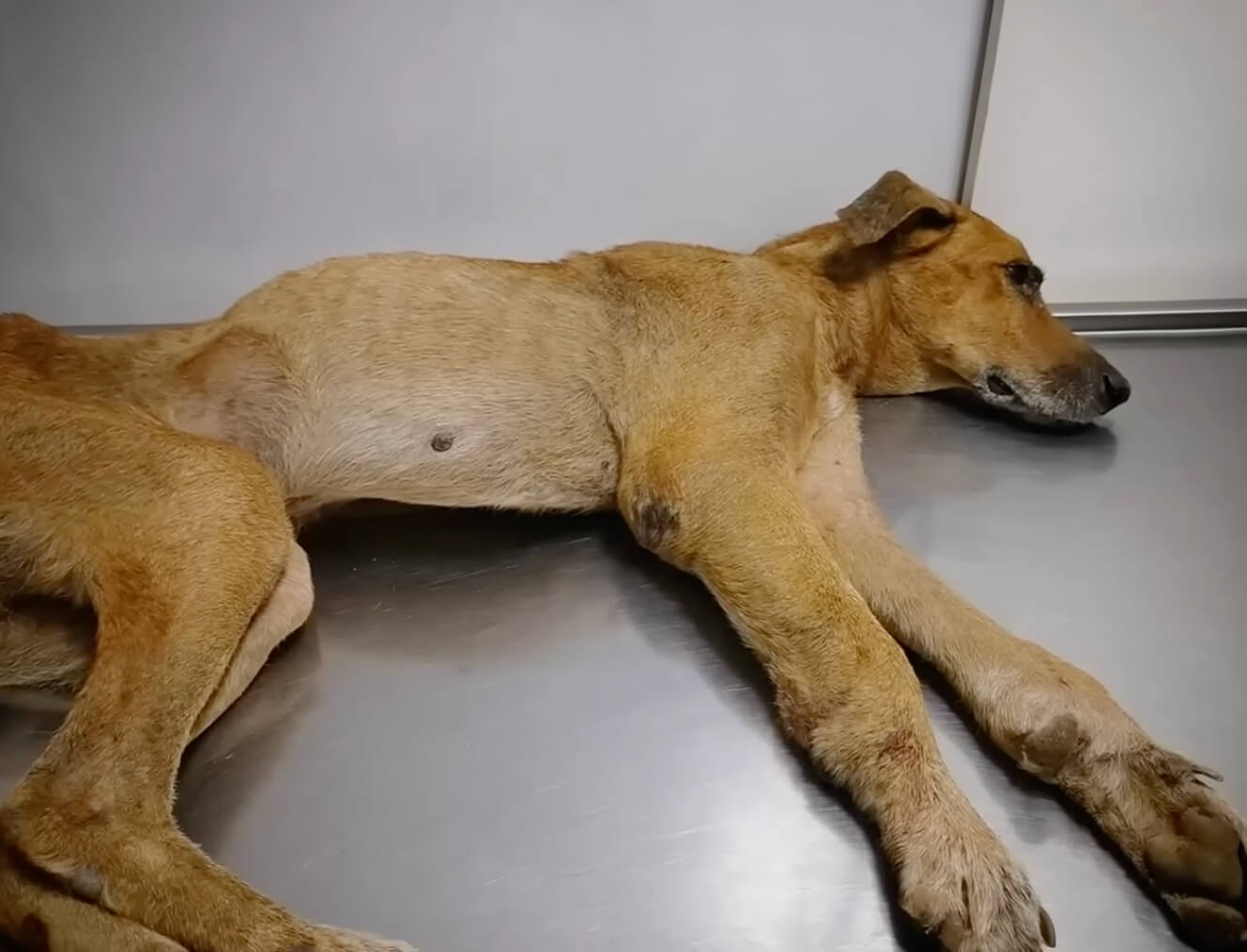
The rescuers named him Magma and took him straight to a clinic.
He cried periodically during the journey, even when no pressure was being placed on his swollen leg. His discomfort continued after he had been removed from the sun.
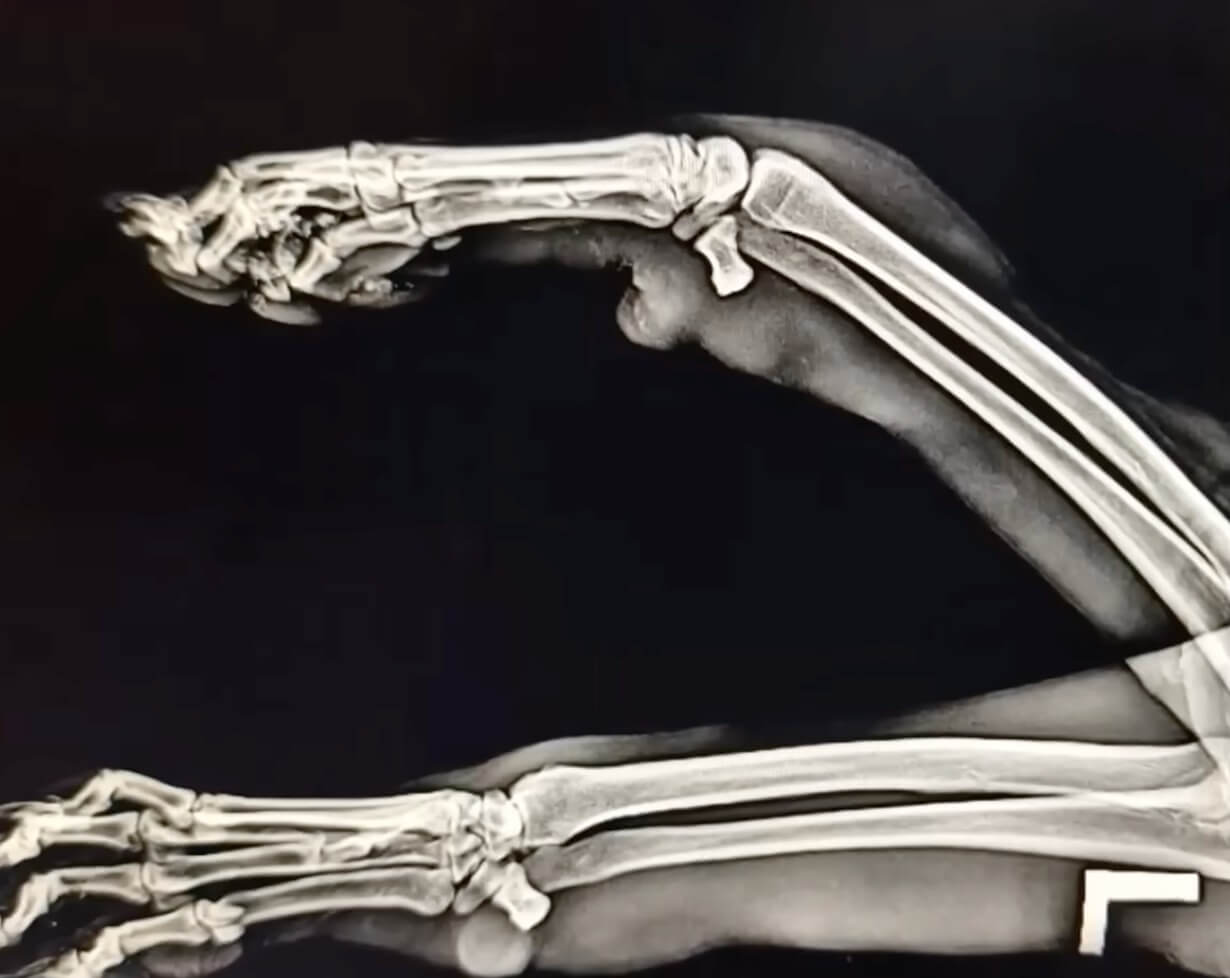
Following blood testing, his caregivers arranged X-rays. The rescue update reported broken toes on one paw.
That finding gave the team more information about the injury behind his distress. He also received an IV, which the account said would remain in place for two days.
For anyone helping a dog with a suspected fracture, avoid trying to straighten the limb or choosing medication without advice.
The American College of Veterinary Surgeons advises, “Do not give any medications or apply any therapy unless you receive clear guidance from your veterinarian.”
Call the clinic for handling and transport instructions. Let the veterinary team decide what support the injury needs.
Magma was now receiving care, but feeding him remained difficult.
Three Days Later, Meals Still Took Time
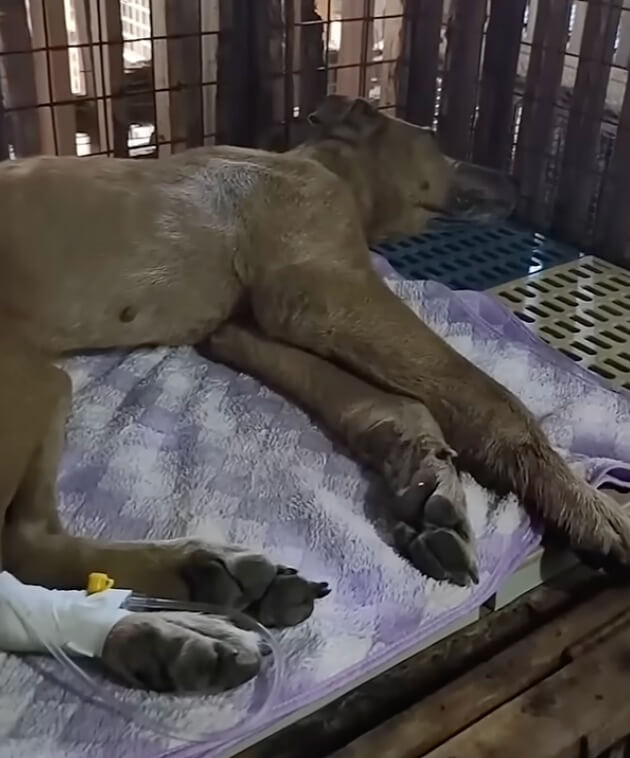
By the third day, Magma was still reluctant to eat.
His caregivers described spending considerable time helping him take food by syringe. They worried that he might need feeding assistance for a long time.
The concern was understandable. Removing him from danger had not immediately restored his appetite or comfort.
For people caring for a dog who will not eat, assisted feeding needs veterinary direction. Ask the team to explain which method is suitable and demonstrate any care required at home.
VCA Animal Hospitals advises, “Stop any oral feeding attempts if the dog refuses to swallow”. Its guidance explains that food entering the airway can cause aspiration pneumonia.
Don’t force a struggling dog’s mouth open to continue a meal. Contact the veterinary team if the feeding plan isn’t working.
For Magma, the next hopeful change would be taking food on his own.
Around Day 10, He Began Eating Independently
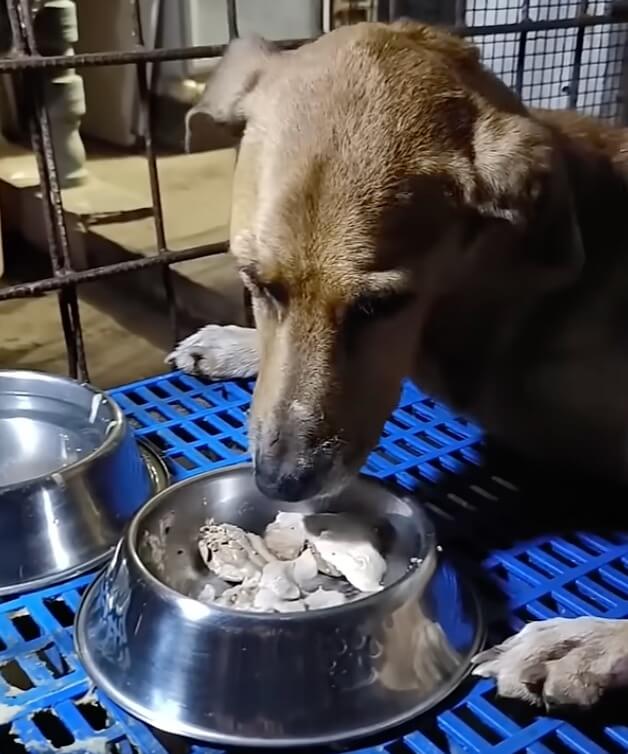
The first week brought mixed progress.
The updates described Magma eating, but also snarling and attempting to bite during care. He was no longer confined to lying down, yet feeding remained a concern.
Then, around day 10, the account reported that he was eating independently.
After days of helping him through meals, his caregivers could watch him eat without that assistance.
It did not settle every concern. Magma still needed care, and handling him could remain difficult.
But the change mattered. A dog who had shown no interest in food when rescuers arrived was now taking a meal for himself.
His Recovery Was Still Underway
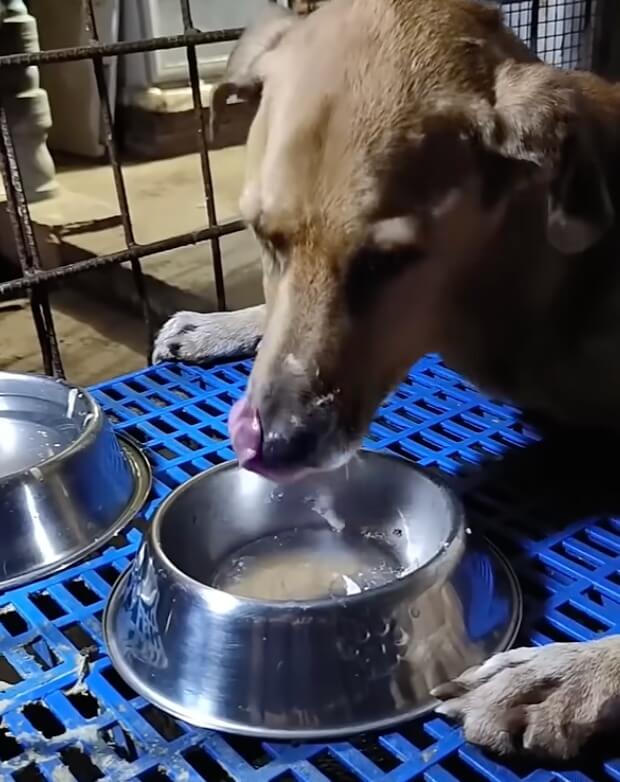
The account ends with Magma improving and Happy Animals Club continuing to look after him.
It does not describe a completed recovery or an adoption. His injury and ongoing needs remained part of the work ahead.
There was still reason for hope in what had already happened.
People had reported his situation. Rescuers had brought him to a clinic. His caregivers had stayed involved through painful days and difficult meals.
By the closing update, Magma was no longer lying helpless in the sun. He was in care, moving more and eating independently.
If his story touched you, consider sharing it to acknowledge the people who report animals in distress and the caregivers who keep helping after the rescue.
Also read:
He Could Barely Move Beside the Road. Seventeen Days Later, He Took His First Step


