
He Was Left on a Beach to Fade—Until Someone Stepped In
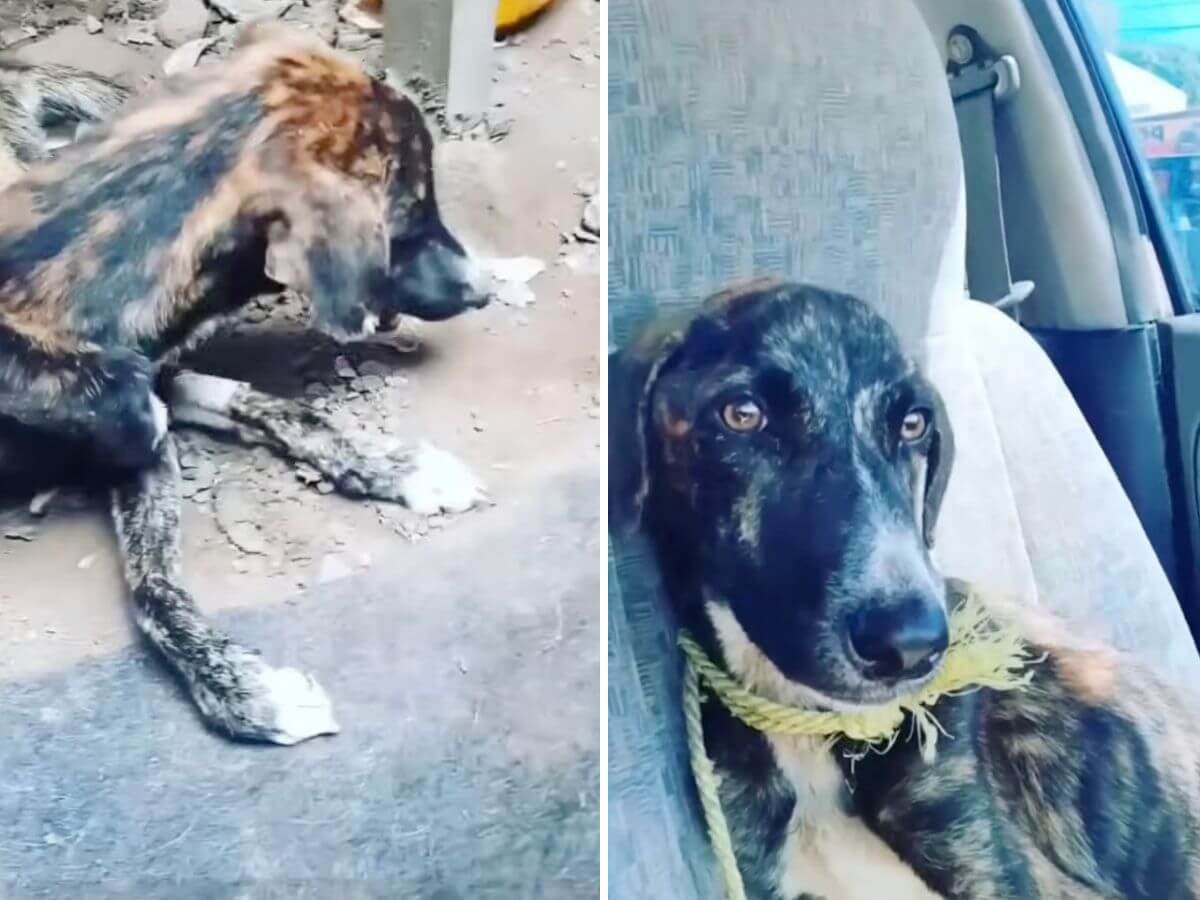
On a stretch of sand along Riohacha beach, where tourists came and went without staying long, a dog lay alone.
The sun rose and fell over him. The tide shifted. Footsteps passed nearby.
But he didn’t move much.
By the time anyone stopped long enough to really look, his body had already begun to give in. His ribs showed through his skin. His energy was gone. Even lifting his head seemed like more effort than he could manage.
He wasn’t just hungry.
He was fading.
And still, no one had stopped long enough to change what was happening.
Because at that point, he no longer had the strength to ask for help.
The Call That Changed Everything
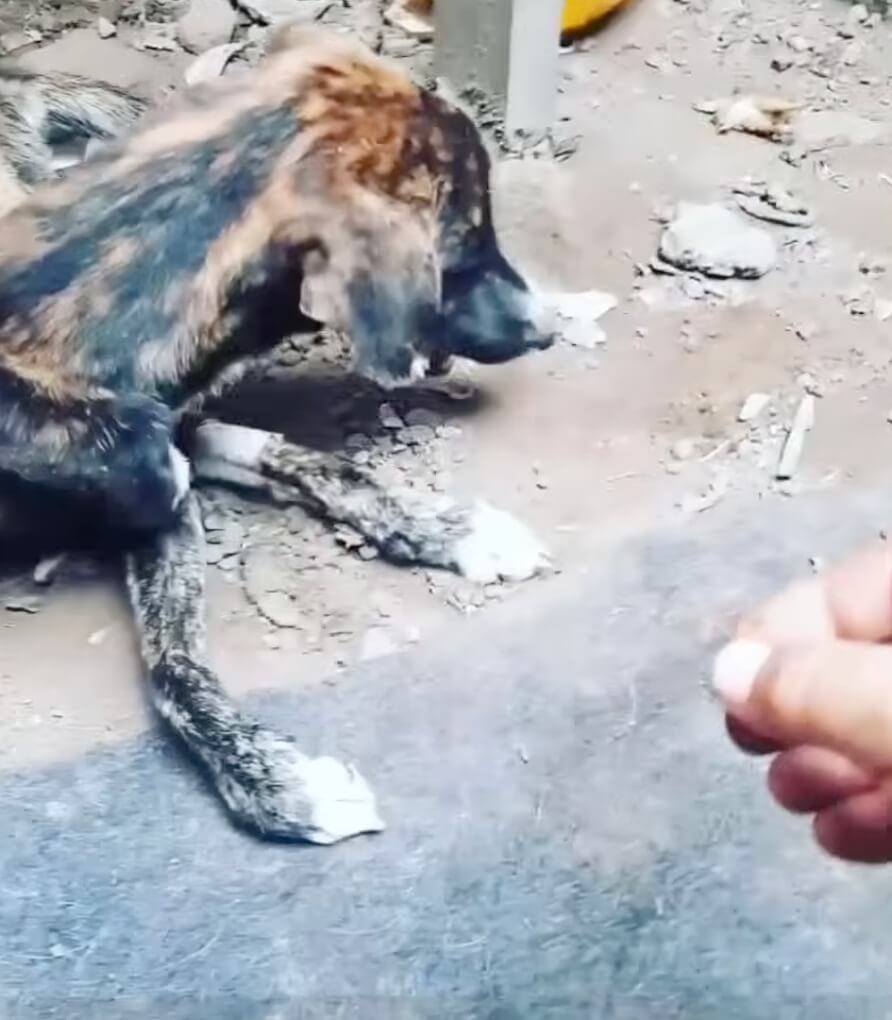
It started with a message that felt urgent.
A man named Valentina reached out, asking for help. A sanitation worker had found the dog and couldn’t ignore what he saw. Something about the way the dog lay there made it clear this wasn’t a situation that would fix itself.
That message reached rescuer Alvaro Jose Miranda Leon.
When he arrived at the beach, the reality hit harder than expected.
This wasn’t just a stray trying to survive.
This was a dog who had already been pushed past his limits.
The Moment They Tried to Help
As Alvaro approached, he expected weakness.
He didn’t expect resistance.
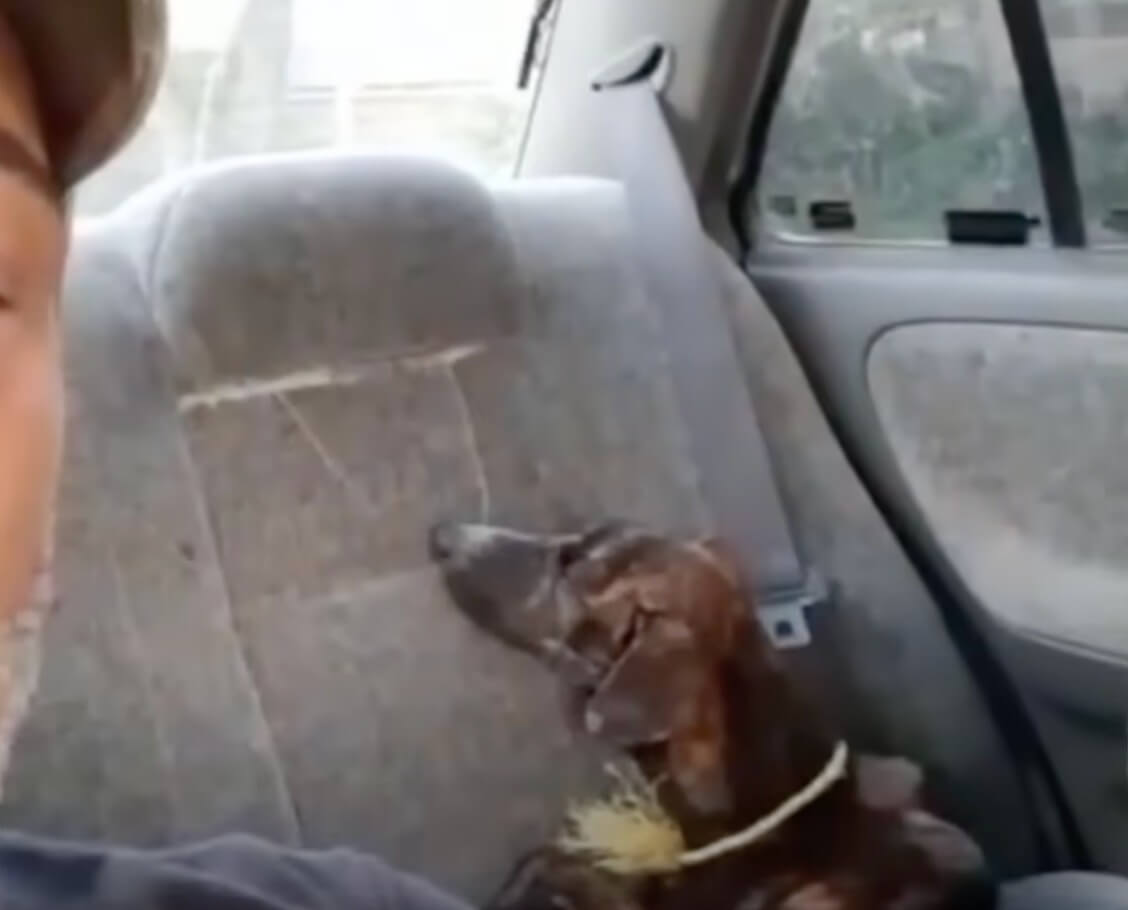
The dog, later named Mota, reacted the only way he knew how. He snapped. He tried to bite. He pushed away the very hands trying to help him.
It wasn’t aggression in the way people often assume.
It was something deeper.
The rescuers described that moment clearly. According to them, “Fear and pain had made him aggressive.”
And that changed everything about how they saw him.
Because when a dog has been left alone long enough, survival becomes instinct. Trust disappears. Every movement feels like a threat.
That reaction wasn’t who Mota was.
It was what he had learned.
What the Clinic Revealed
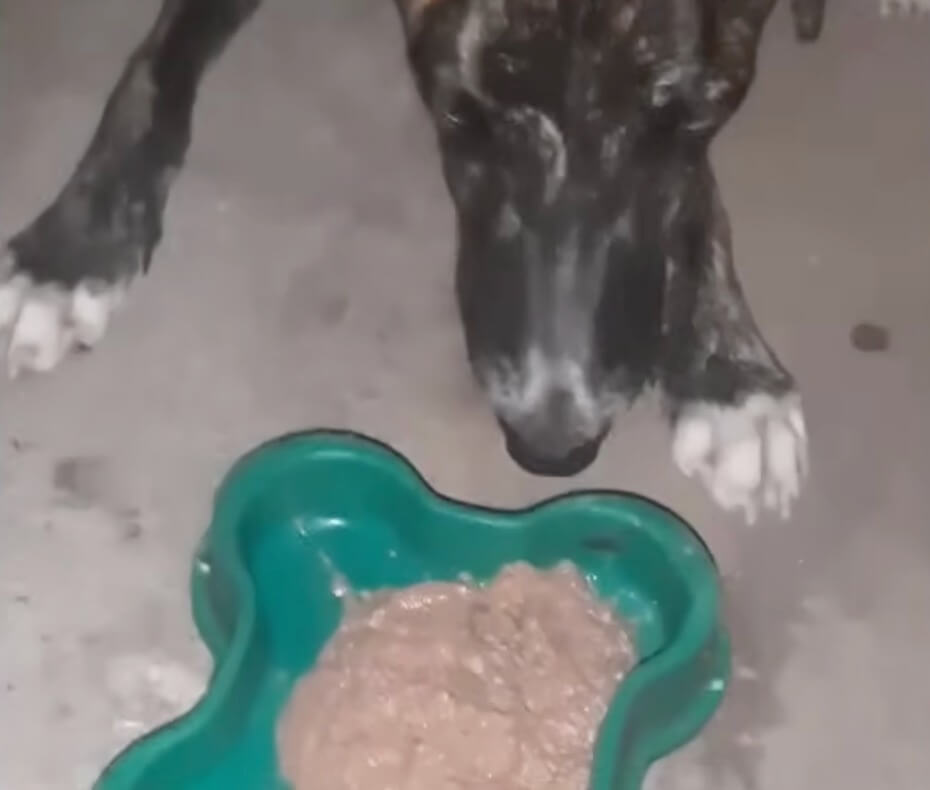
At the veterinary clinic, the team prepared themselves for the worst.
Dogs found in that condition often carry underlying issues that go unnoticed until it’s too late.
But Mota’s results told a different story.
There was no severe illness. No hidden condition breaking him down from the inside.
He had simply been starved.
For longer than anyone should endure.
And that moment changed everything.
Here is what many people don’t realize.
When a dog has been starved, recovery isn’t as simple as giving them as much food as possible.
According to PetMD, “When dogs that have essentially been starved suddenly have free access to large amounts of food, they can become very sick and even die.”
That meant Mota couldn’t just be fed freely and expected to recover.
His body had to relearn how to process food again.
Slowly.
Carefully.
The Work That Comes After Rescue
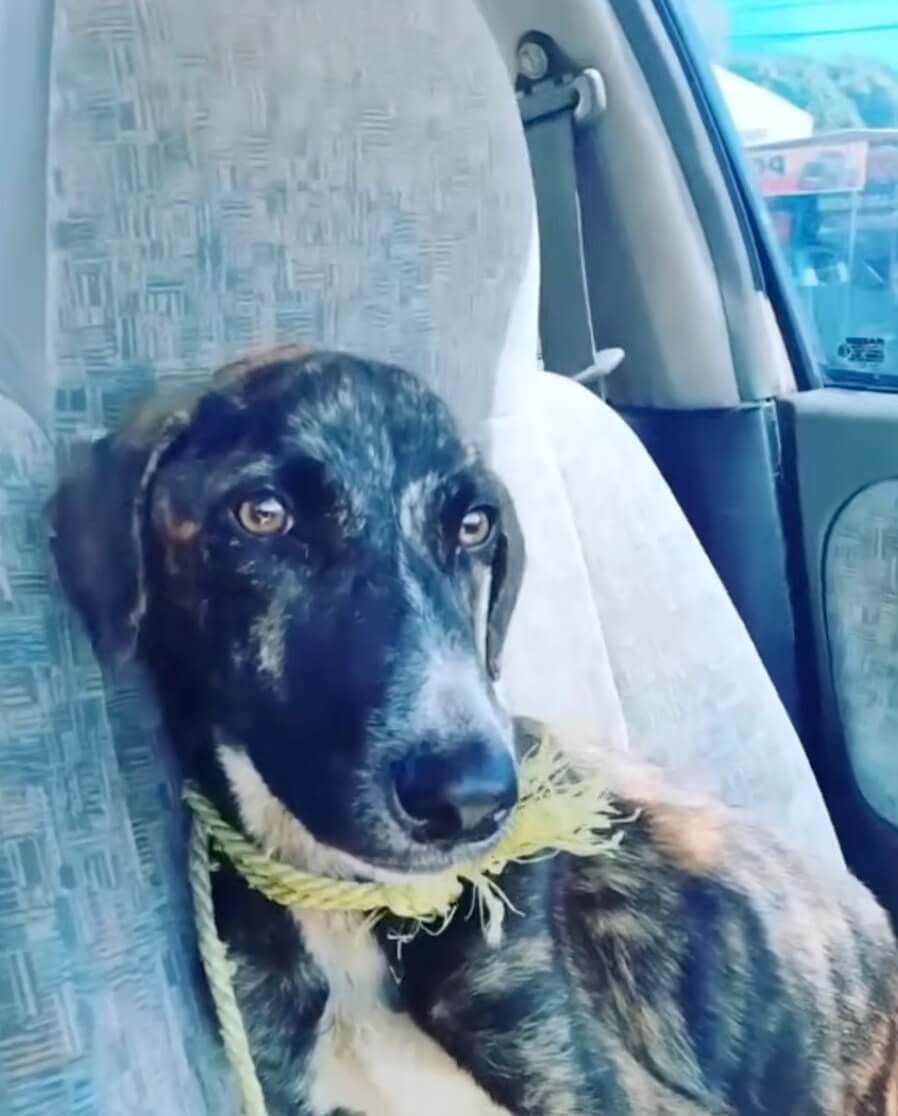
Mota was moved into foster care, where the real work began.
And it wasn’t easy.
He remained defensive at first. Every movement around him felt uncertain. Every touch carried risk.
Here is where understanding behavior matters.
According to the ASPCA, “But some dogs bite out of fear or frustration, and this type of biting can indicate problems with aggression.”
That behavior doesn’t appear without reason.
It builds over time, shaped by experiences where fear becomes the only response that works.
Alvaro understood that.
So he didn’t rush.
He didn’t force interaction.
He stayed.
Day after day, care became routine. Meals were measured. Medication was consistent. The environment stayed calm.
Progress didn’t come all at once.
At first, it was barely noticeable.
The Small Moments That Changed Everything
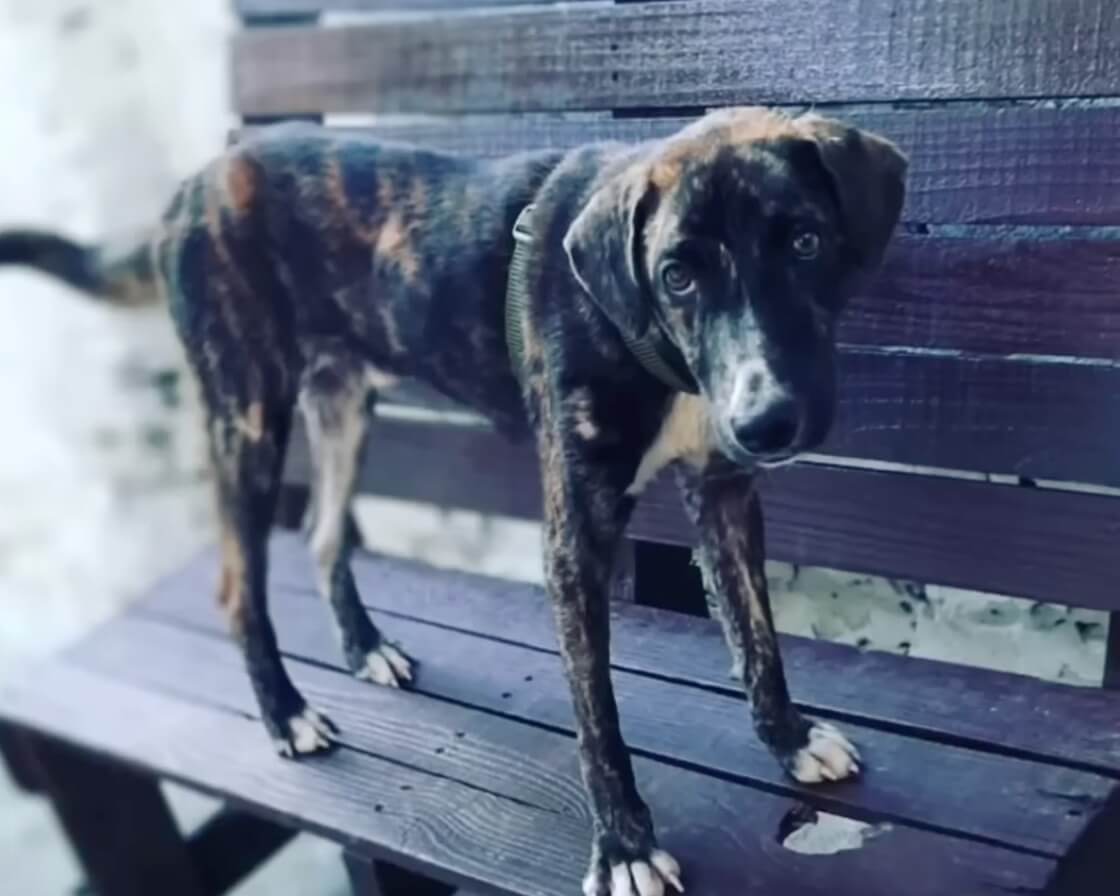
Then, slowly, things began to shift.
Mota started eating more regularly. His body responded. Strength returned in small, steady ways.
His reactions softened. The tension in his body eased.
And then came something that mattered more than anything else.
He allowed closeness.
Not fully. Not immediately.
But enough.
The rescuers noticed it as it happened. According to their words, “Little by little, his trust in people has returned.”
That kind of change doesn’t come from force.
It comes from consistency.
Fear in animals follows patterns. According to VCA Animal Hospitals, “Fear is associated with classic behaviors: fight, flight, freeze, and fidget.”
Mota had lived in that state for too long.
Now, for the first time, he was beginning to step out of it.
A Different Life Taking Shape
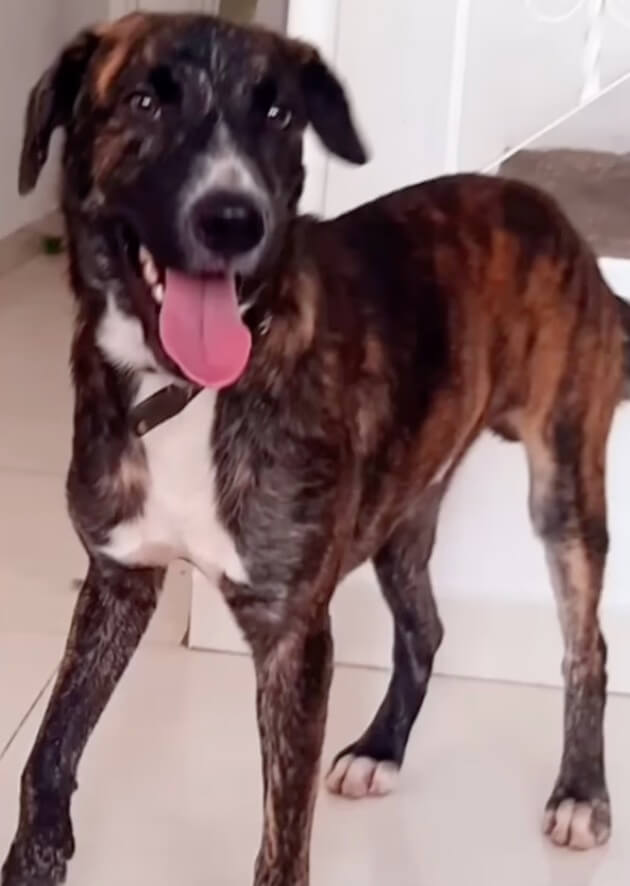
Over time, Mota’s body began to recover.
He gained weight. Nearly five kilos. His frame filled out. His strength returned.
But the bigger change wasn’t physical.
It was emotional.
The dog who once pushed everyone away started seeking connection.
He leaned into touch. He stayed close instead of pulling back. He began to play, something that had likely felt impossible not long before.
His eyes changed too.
The fear that once defined them softened into something quieter.
Something steady.
The Life He Was Always Meant to Have
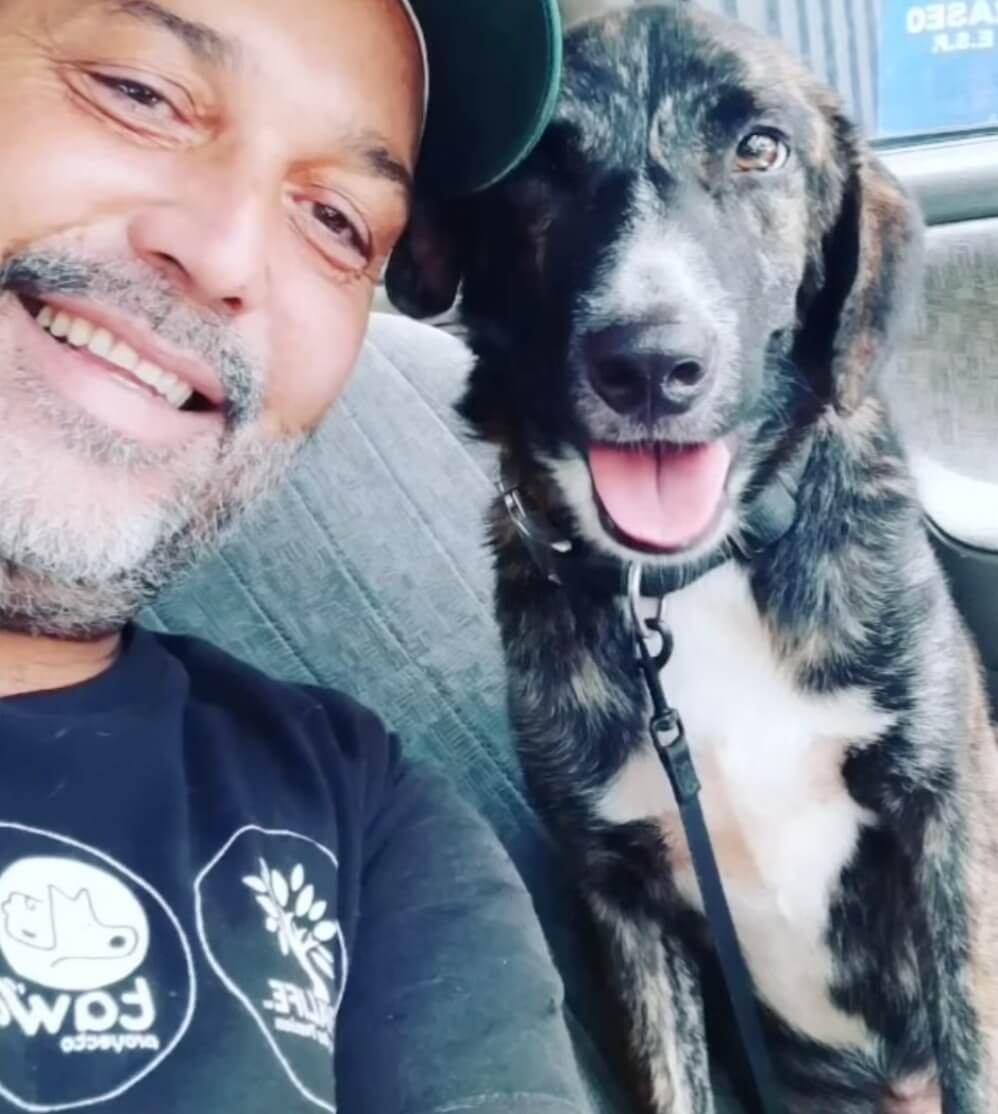
Today, Mota is no longer the dog lying alone on a beach.
He wakes up in a space where food is certain. Where hands don’t harm. Where presence doesn’t disappear.
His past hasn’t vanished.
But it no longer controls him.
Instead, it sits behind him, replaced by something stronger.
Trust.
Why This Story Matters
Mota’s story is not rare.
There are animals in places like that beach right now. Quiet. Weak. Waiting longer than they should have to.
Not all of them will react with fear.
But many will.
And that doesn’t make them broken.
It makes them survivors.
If this stayed with you, don’t let it end here.
Share it.
Because somewhere out there, another dog is still lying in that same silence, hoping someone finally stops.
You may also want to read:


God Bless You for all the kind and good work you do for the helpless animals out in the world that so often people just discard them as if they are trash and have no feelings ; feel no pain . They need to know what it feels like to ve loved and to be able to trust. I don’t think you realize what a difference you have made in these animals lives. Thank you from the bottom of my heart. I too love animals and I can’t imagine just throwing one out like trash. I really mean that as the tears rolls down my face for the good you are doing. May GOD Bless you.